“It demonstrates a continued effort to erase who we are as First Nations people and all that we are connected to – physically, spiritually, and culturally.”
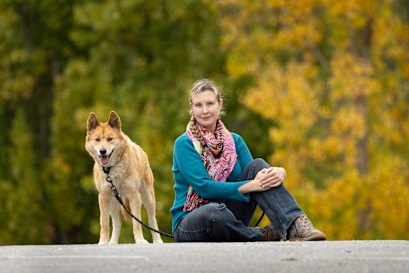
Kelly Ann Blake said the government decision to unprotect dingoes felt like a dismissal of culture.Credit: Jason South
In Wadawurrung language, Blake said, “Darrwal” is a wild dingo, while “Kaal” is a tame or camp dingo.
Documents released under freedom of information showDimopoulos and Spence were aware of the conflict between the Human Rights Charter’s commitment to protecting Aboriginal cultural rights and the unprotection order.
Loading
The documents show the department embarked on a three-day consultation period with Traditional Owner groups in September last year, before the order was made.
“Some Traditional Owners experience the impacts on the dingo as a loss of a family member and a continuation of the impacts of colonisation,” the ministers wrote in a Human Rights Certificate that accompanied their declaration.
“As such, enabling the taking and killing of dingoes may impact upon the right of Aboriginal persons to maintain their distinctive spiritual relationship with the dingo. To the extent such Aboriginal persons have spiritual connections to the dingo, it may also impact their right to enjoy their identity and culture.”
However, the ministers stated 10 days after the consultation took place, the decision could be justified because it would act to protect livestock against predation.
Loading
Dingoes can be killed on private land, and on public land within three kilometres of private land, in much of the east of the state.
Dingoes, which were once widespread across Victoria, are now extinct in much of the state. Populations remain in Big Desert in the Mallee region in the north-west of the state, and in eastern Victoria.
Dimopoulos and Spence were told there are an estimated 16 adults of breeding age in Big Desert, and 2940 in the state’s east.
Secretary of the Dingo Conservancy Dr Jo Samuel-King called on the Victorian government to properly protect dingoes and transfer the $5 million spent every year on the dingo killing program to livestock protection and dingo conservation.
“There’s an acknowledgement that Traditional Owner rights have been trampled but for the sake of 1000 sheep, and that’s 1000 sheep out of a [statewide] flock of 14 million,” she said.
“That’s not as if we’re short on sheep. What we are short on is any government funding being directed towards assisting affected graziers to adapt.”
A spokesman said the Victorian government was supporting farmers with an additional $2 million support package to “fund trials, research and on-ground advice on non-lethal dingo management strategies that minimise the risk of livestock predation”.
“We are striking the right balance between protecting our vulnerable dingo populations while giving farmers the ability to protect their livestock, by remaking the dingo unprotection order in eastern and north-eastern Victoria until 1 January 2028.”
The Age reported earlier this month government plans to fit protected wild dingoes in western Victoria with electronic collars and monitor their behaviour, a move opposed by Traditional Owners.