The Toyota LandCruiser 70 Series, Ram 1500 and Ford Transit could lose their current exemption from Australia’s new-vehicle emissions laws under a proposed amendment.
Vehicles with a gross vehicle mass (GVM) of more than 3.5 tonnes are currently exempt from the New Vehicle Efficiency Standard (NVES), which was introduced nationally by the Australian Government in 2025.
Submissions for comment on the proposal to include vehicles with a GVM of more than 3.5 tonnes and up to 3.855 tonnes – currently outside the scope of the NVES – close on July 20, 2026.
Looking for your next car? We’ll help you research and compare so you choose with confidence.
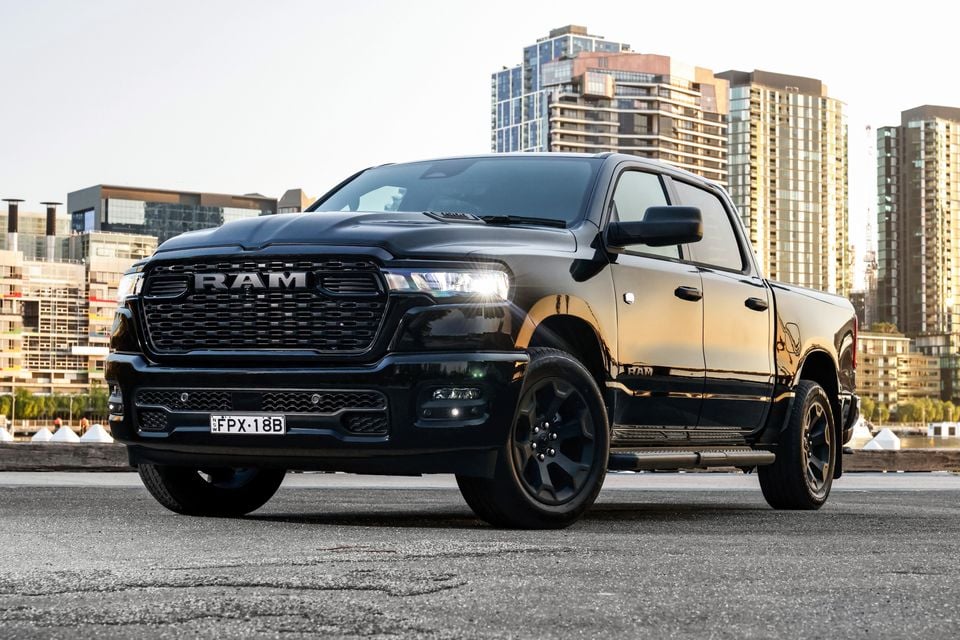
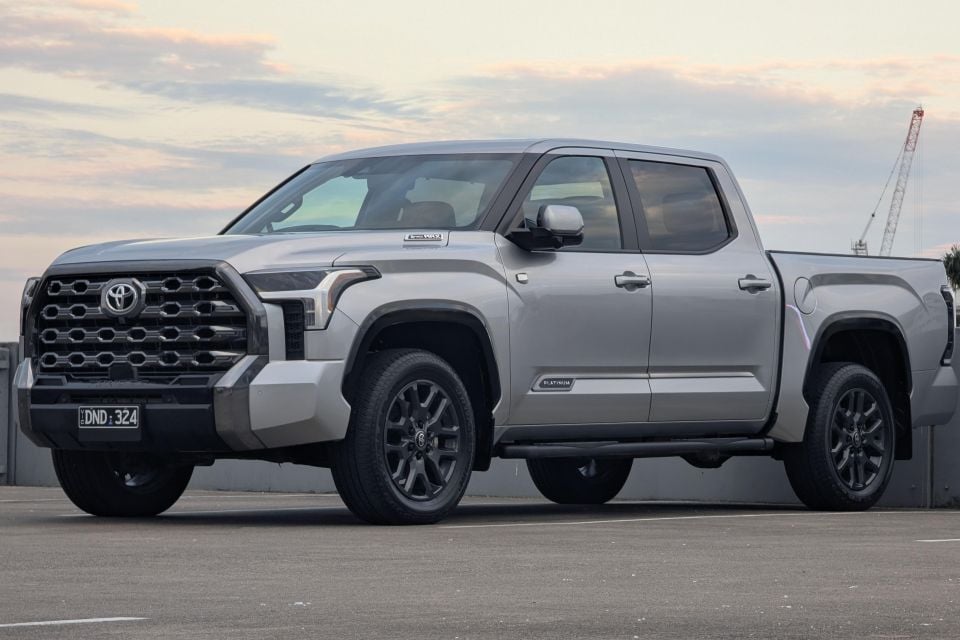
While the Ram 1500 would be impacted due to its 3505kg GVM, along with the Toyota Tundra at 3536kg, rival full-size pickups such as the Ford F-150 will not be impacted as they are already included in NVES reporting.
The F-150 has a GVM of up to 3360kg, while the Chevrolet Silverado 1500 offered here has a 3300kg GVM, also part of current NVES count.
A number of brands offering models that would be impacted by the proposal were contacted by CarExpert but declined to comment publicly on the issue.
Under the NVES, the carbon dioxide (CO2) emissions from vehicles sold by auto brand must remain below pre-set limits, which become stricter each year until 2029.
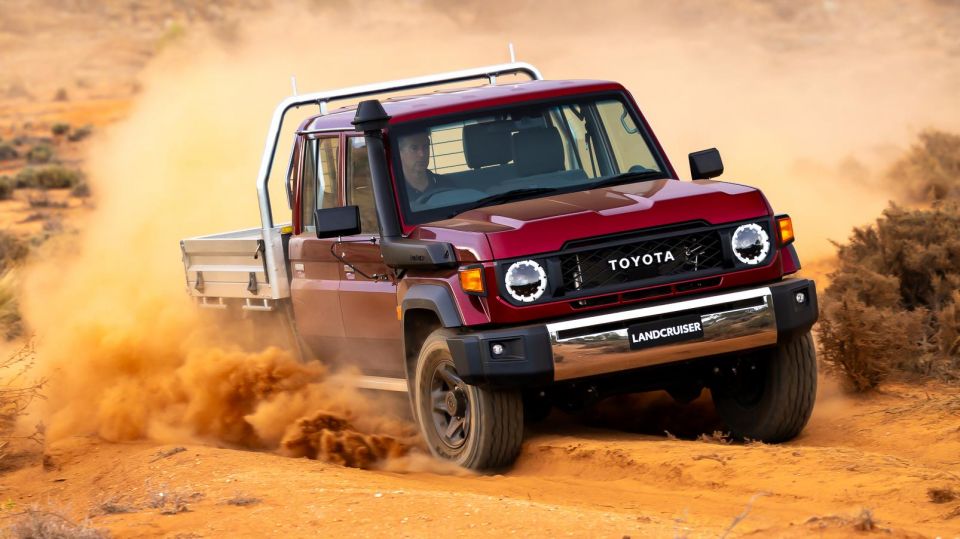
GXL Double Cab Chassis
Automakers whose average range-wide CO2 emissions exceed the limits are subject to financial penalties starting at $50 for every gram of CO2 above the emissions cap, with the first reporting period ending in February 2026 resulting in 19 brands facing penalties.
The original NVES was intended to include vehicles with a GVM of between 3.5 and 4.5 tonnes when used as a “substitute for a passenger vehicle”, according to the federal government.
However, at the time there were no emissions measures in place under the Australian Design Rules (ADRs) for such vehicles, meaning they were excluded when the NVES came into effect on January 1, 2025.
The introduction of ADR 114/00, Carbon Dioxide Emissions Measurement, in May 2026 means manufacturers can begin certifying vehicles with a GVM of between 3.5 and 3.855 tonnes for CO2 emissions, allowing them to be included in the NVES from July 1, 2027, if the proposal is adopted.
If the proposal comes into effect, vehicles supplied before June 30, 2027, will remain exempt and won’t be included in each manufacturer’s NVES figures.
Work on including larger vehicles with a GVM above 3.855 tonnes is also underway, which would include vans such as the Renault Master and Mercedes-Benz Sprinter, but they will remain exempt from the NVES until December 31, 2029.
In the first reporting period for NVES, Mazda Australia topped the list for the highest number of penalties, while electric vehicle brands such as Tesla and Polestar – with zero CO2 tailpipe emissions – received credits they are permitted to sell to other auto brands.
MORE: Mazda Australia says it won’t be alone in feeling the pain of new emissions fines