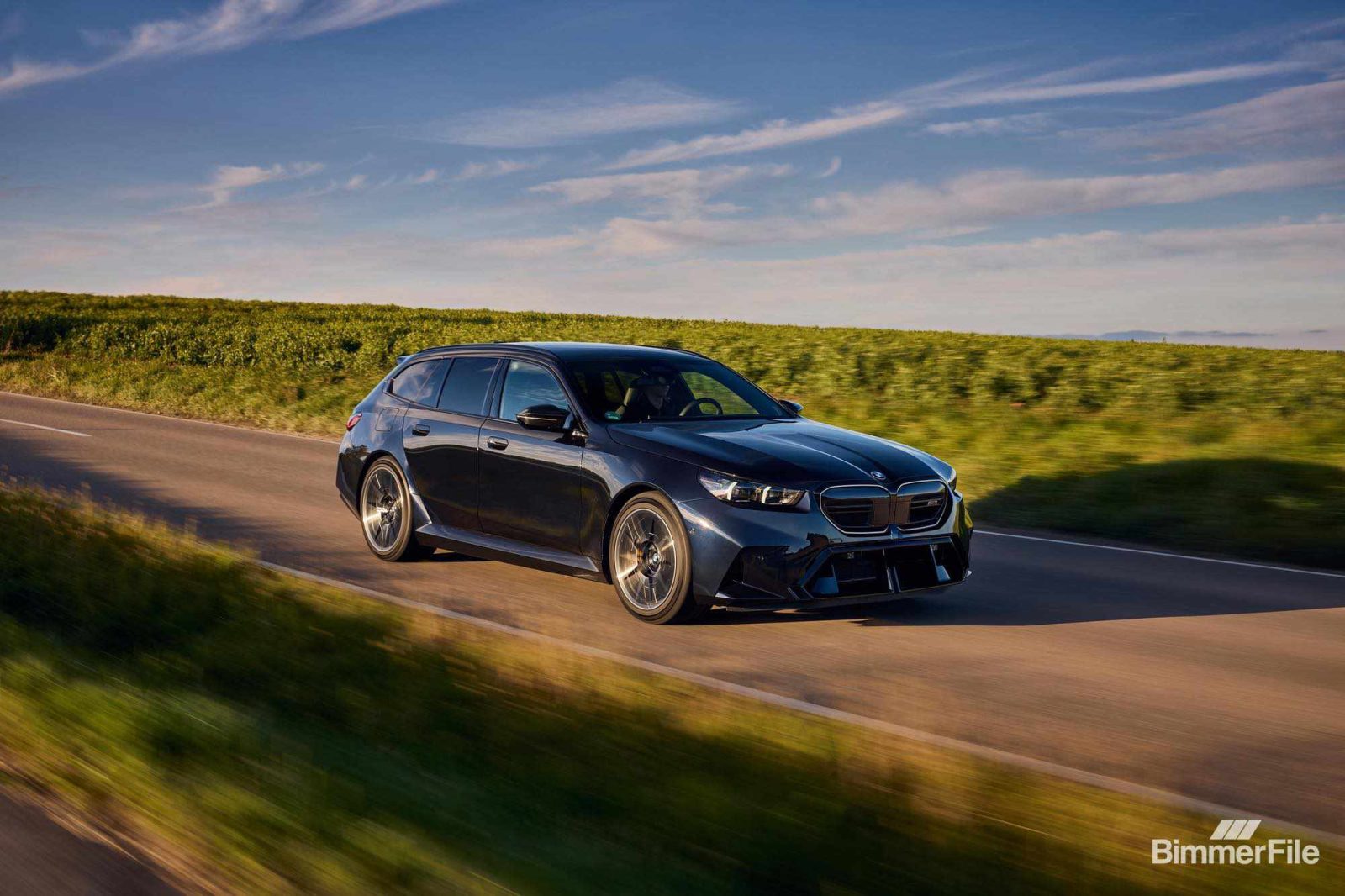
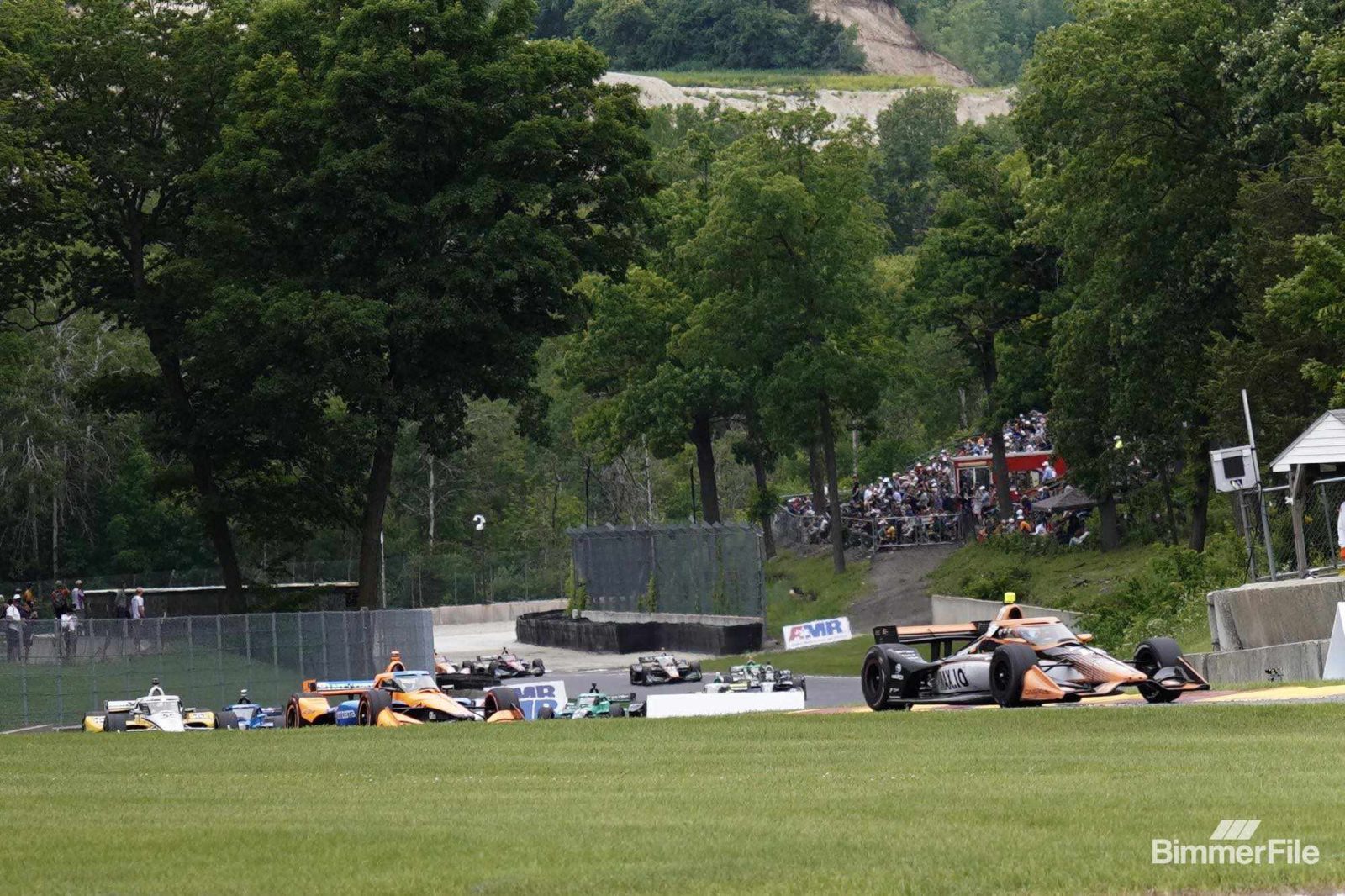
The verdict on the G90 M5 Touring was in before most of the people delivering it had ever sat in one. Too heavy. Too big. A 7 Series wearing an M badge. I spent a week with the car, on the motorway, at the track, and on a 3.5 hour drive each way to Road America for IndyCar weekend. The narrative and the reality don’t match.
Let’s deal with the numbers first, because they’re real and dodging them helps no one. The G90 M5 weighs approximately 5,390 pounds, nearly 1,000 pounds more than the F90 it replaces, and the Touring adds another 140 on top of that. That’s 540 kilograms over the outgoing M5 Competition and more than 600 over the M5 CS. For scale, the original E28 M5 came in at 3,153 pounds in 1985. The F10 and F90 generations both hovered around 4,100. The G90 isn’t a continuation of that trajectory. It’s a break from it.
Power to weight tells the same story. At 299 horsepower per tonne, the G90 actually trails the F90’s figure of well over 300, despite having 100 more horsepower on paper. The Touring hits 62 mph in 3.5 seconds, a tenth slower than the old Competition. For a car with a genuine power advantage, that’s the number that gives away where the weight went.
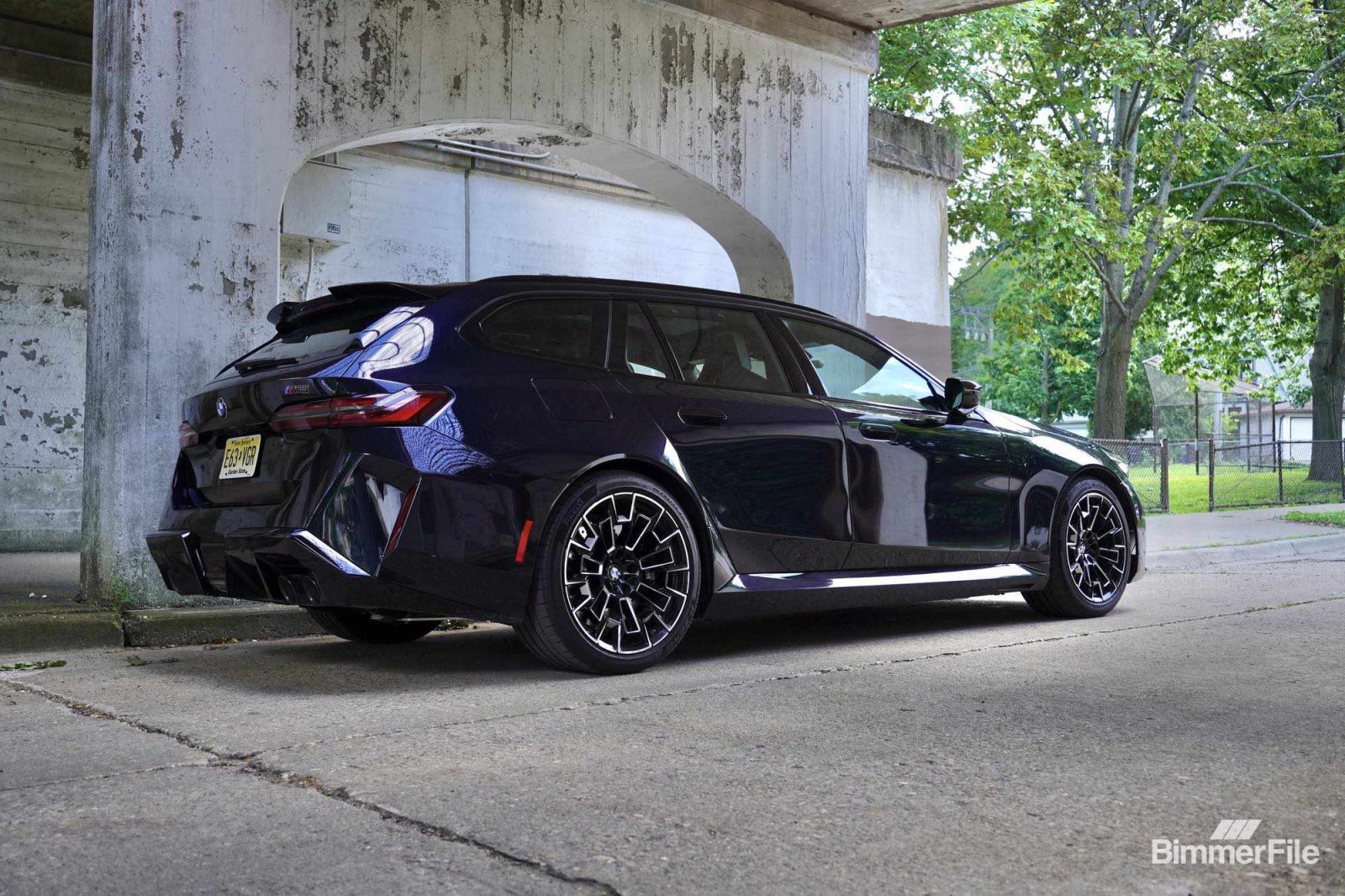
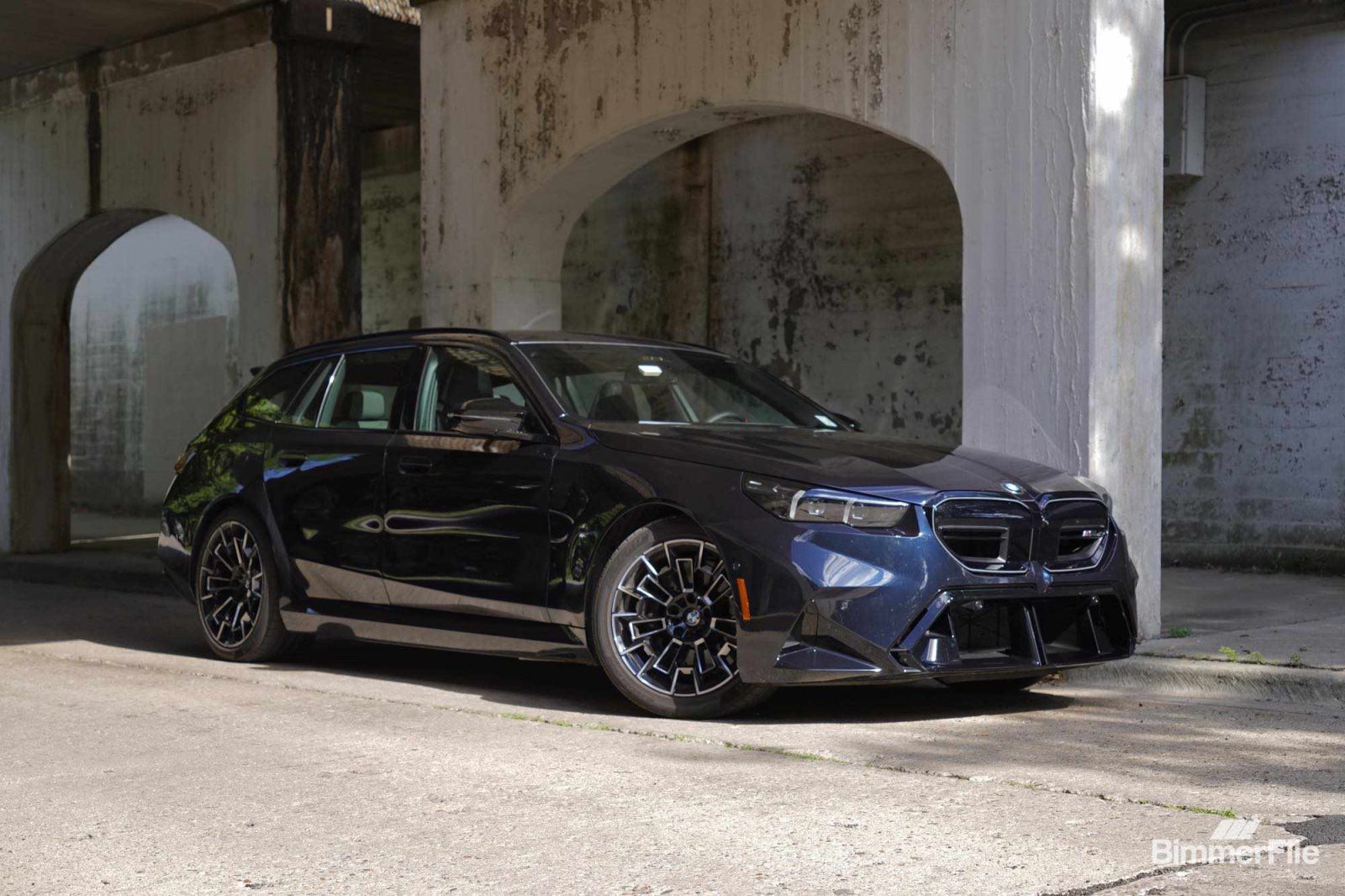
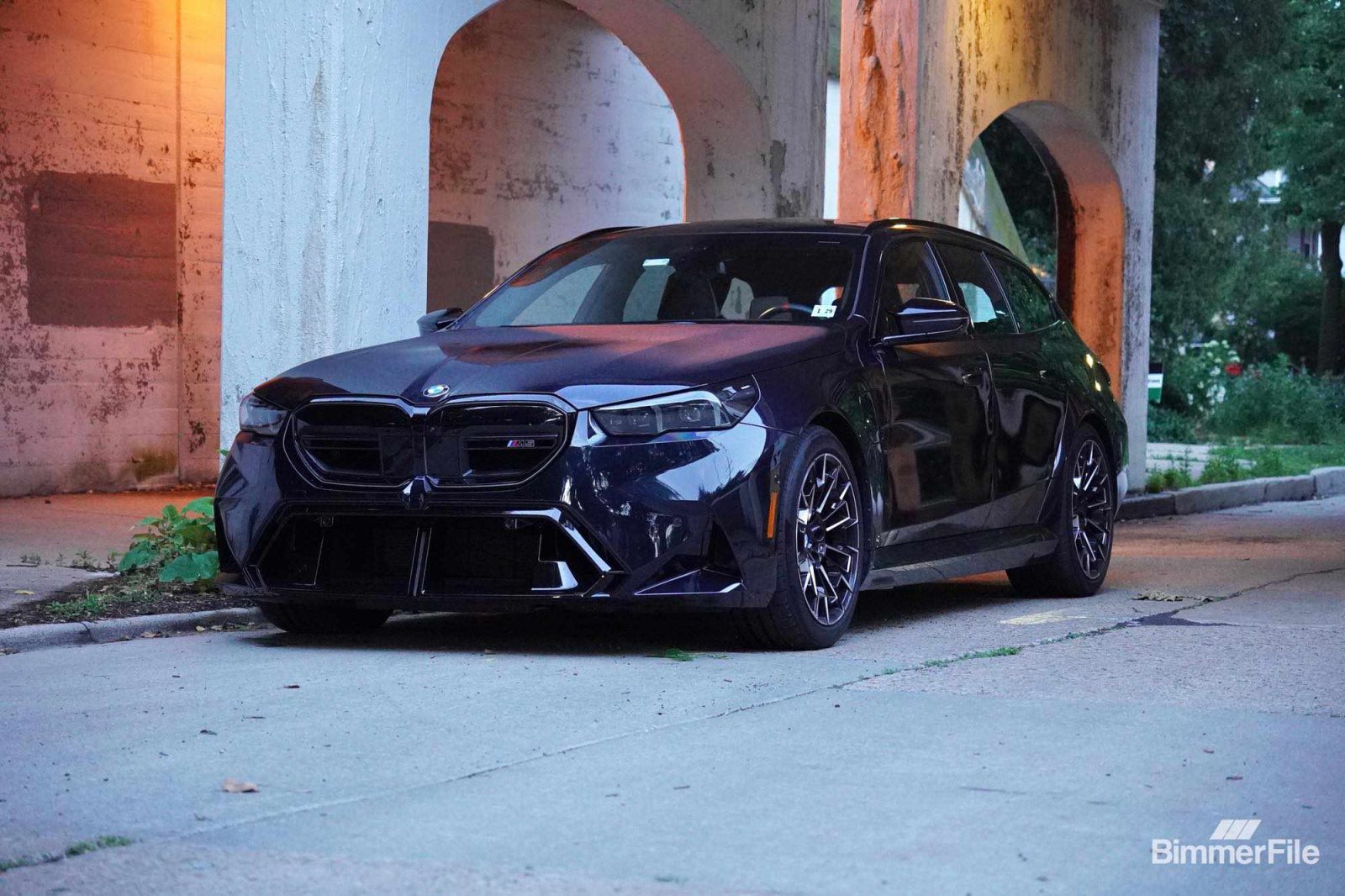
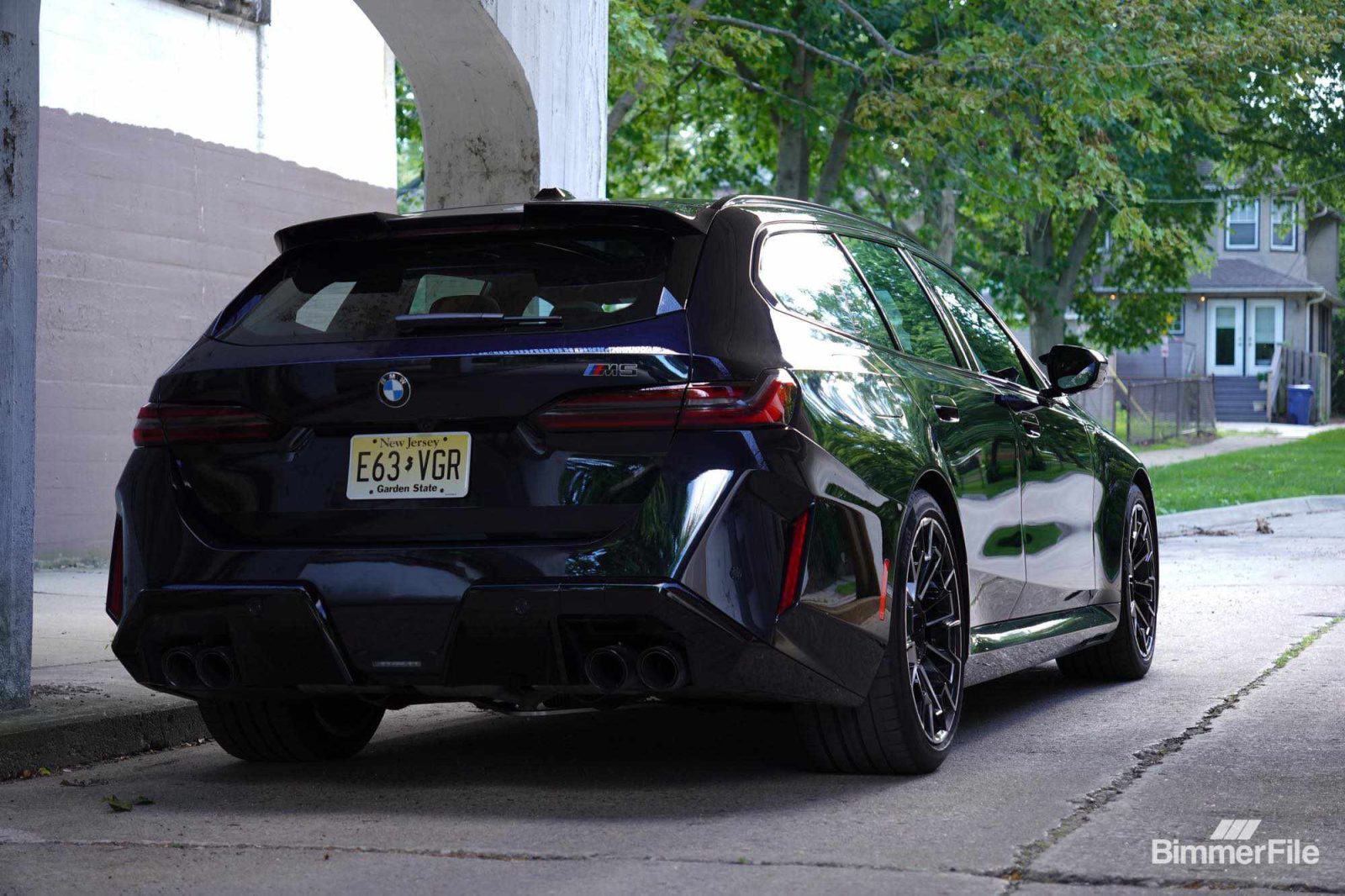
Some of that traces to the platform. The G90 shares its architecture with the i5, a decision that bought BMW efficiency and production economies but also imported the dimensional footprint of an EV-capable chassis. At 200.6 inches long and 77.6 inches wide, mirrors excluded, the M5 Touring sits close to the three row X7 and rivals older 7 Series sedans for sheer size. None of that happened by accident, and none of it is up for debate.
The question worth asking isn’t whether the numbers are accurate. It’s whether they capture what the car is actually like to live with.
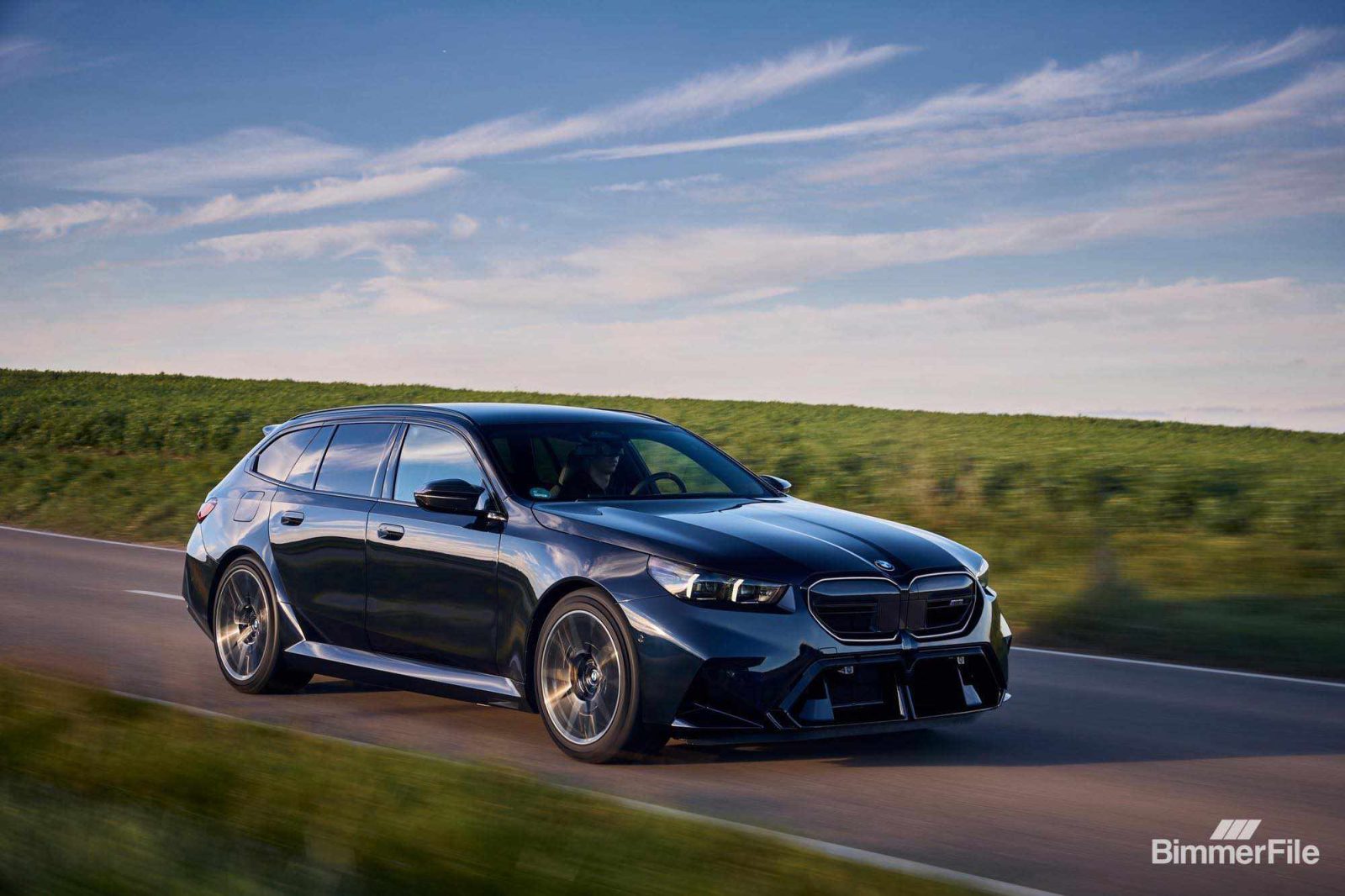
What the Data Misses
Body roll shows up when you push the G90 hard through a tight second gear corner, and heavy braking makes the mass known. Anyone claiming otherwise hasn’t driven it back to back with a CS. But BMW’s M engineers clearly spent their effort where it counts most: the 95 percent of driving that isn’t a canyon run. In Comfort mode, the M5 Touring rides like a car that has nothing left to prove, gliding over broken pavement in a way the old, stiffer M5s never managed.
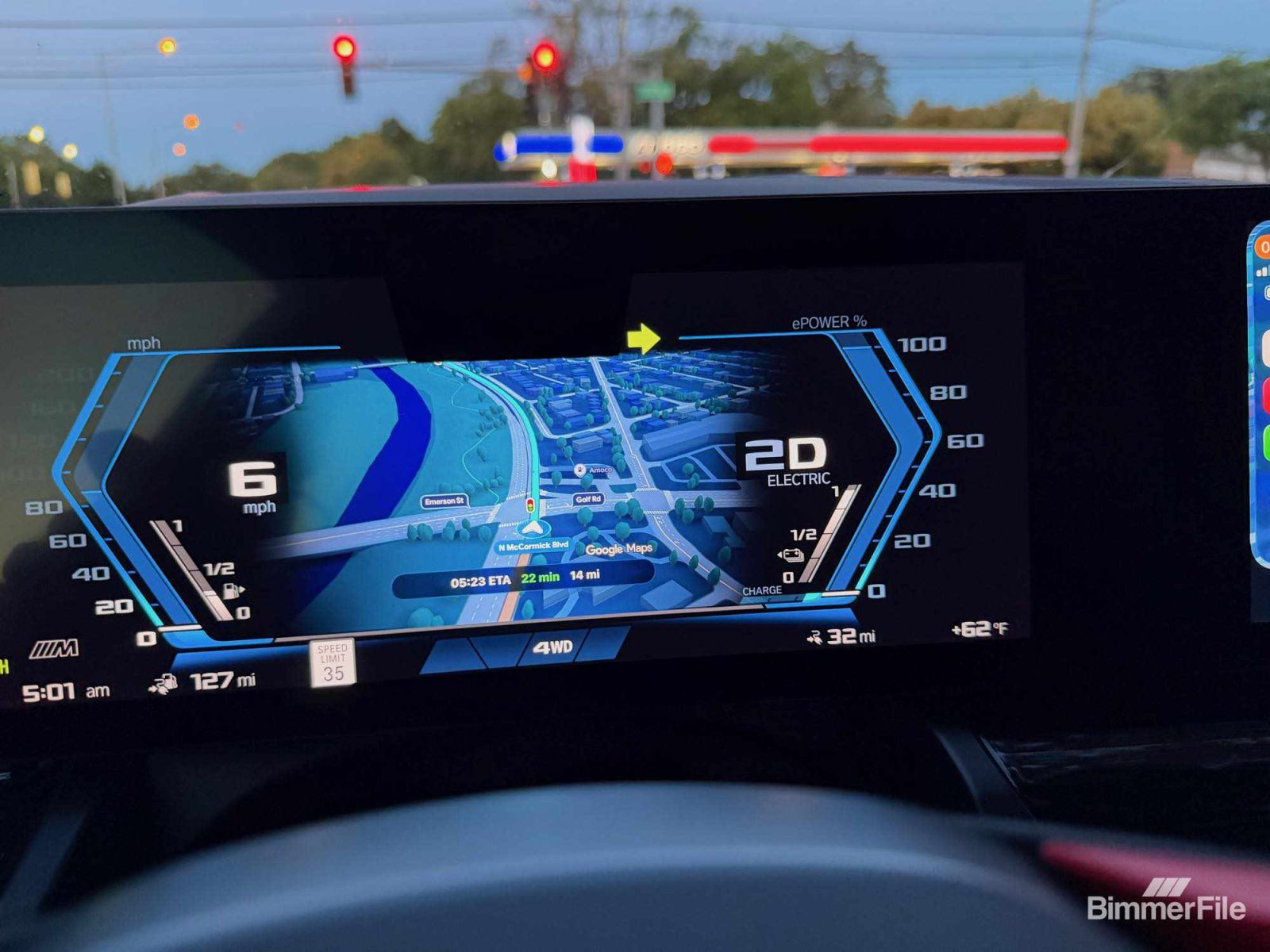
The hybrid system gets blamed for a lot of that added weight, and fairly so. But in daily use it reads less like a compromise and more like a second personality. Real world electric range lands around 24 miles, enough for a genuinely silent airport run at 5am with the family and luggage aboard, no V8, no fuel burned, no drama. It’s easy to dismiss that as a footnote until you’ve lived it. Then it reframes the whole plug-in argument: not a performance bolt-on, but a different way to drive the same car depending on what the moment calls for.
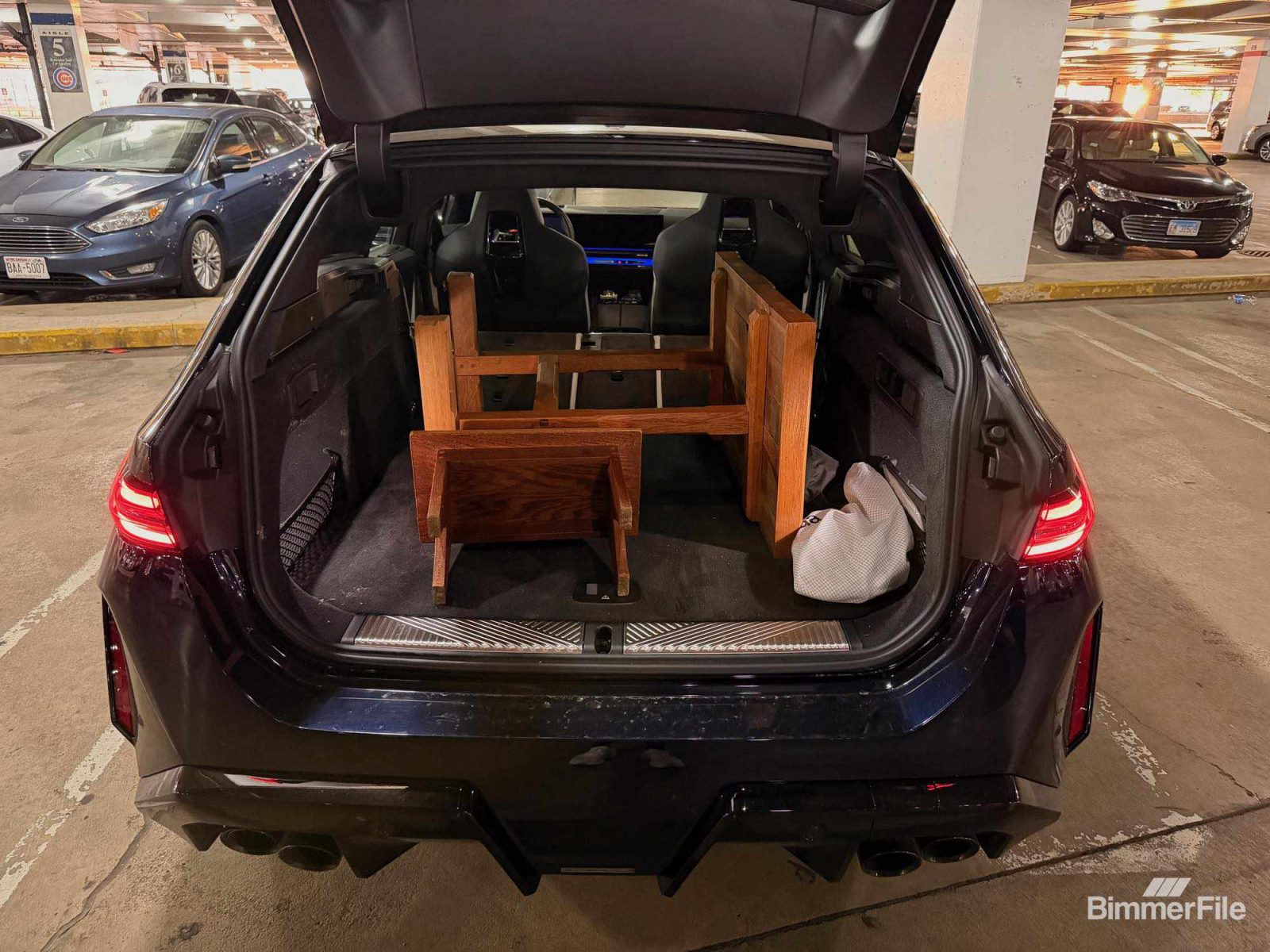
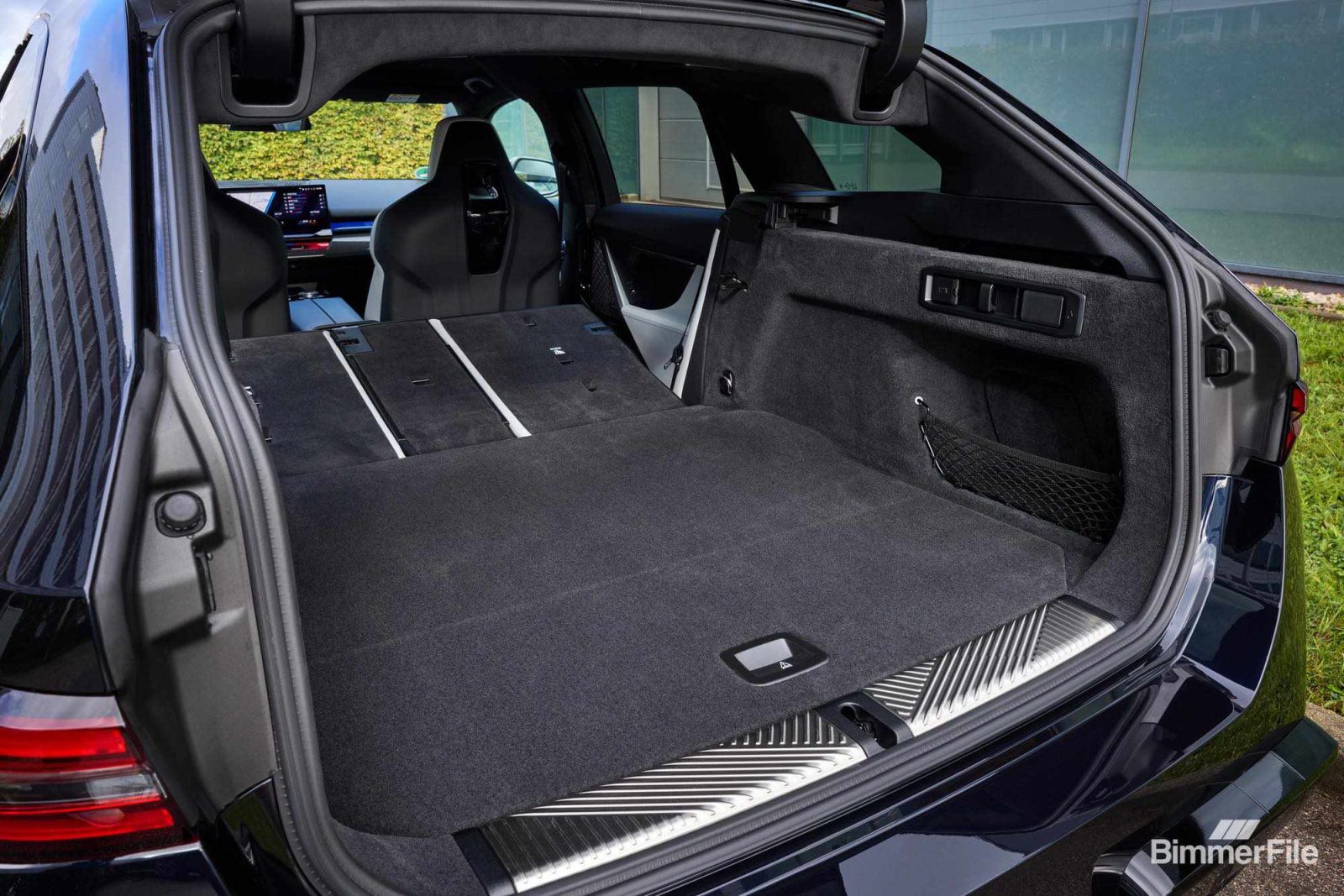
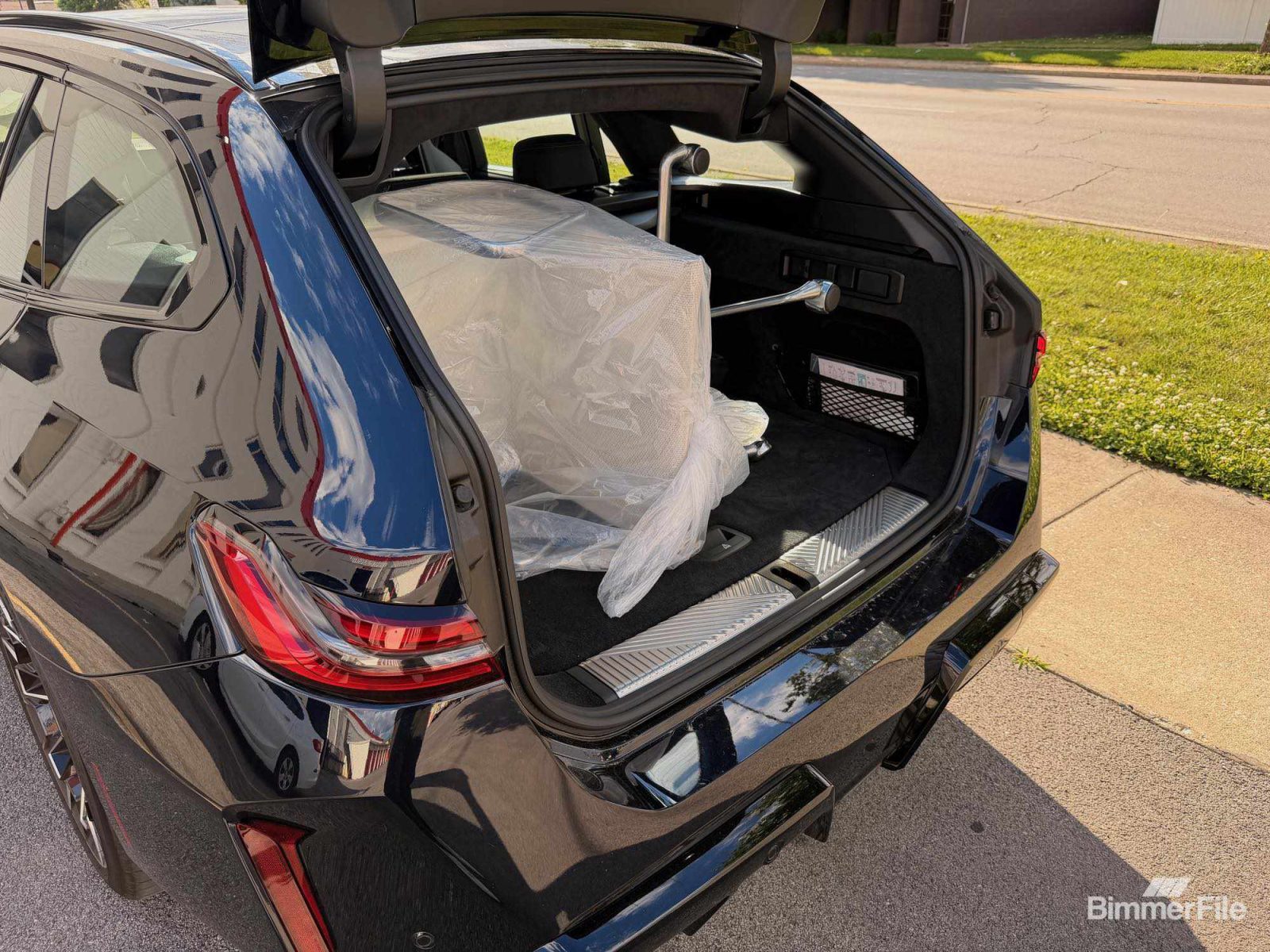
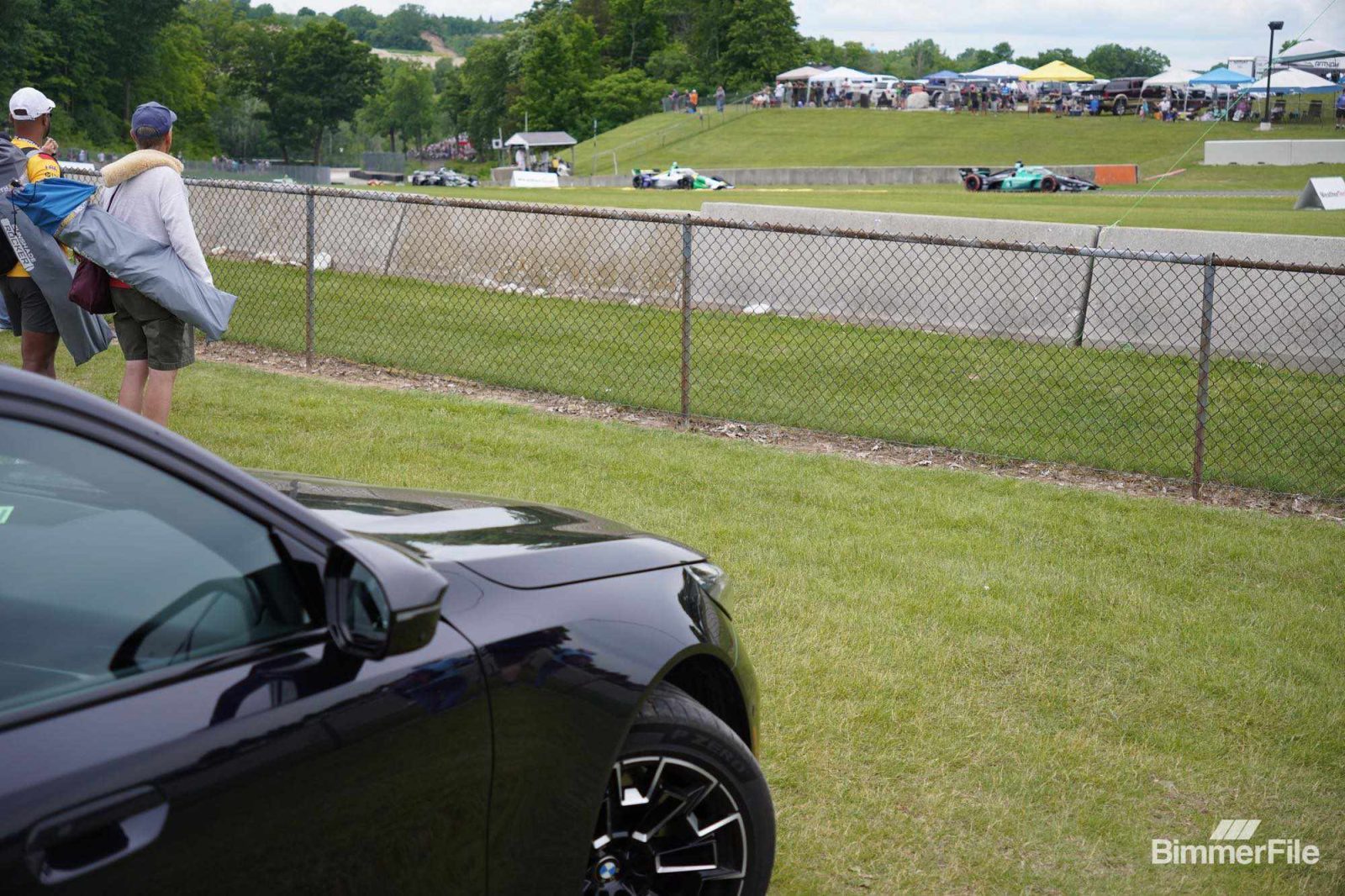
The Road America trip made the practical case just as clearly. Full load in the back, three and a half hours each direction, and a tailgate that opens wider and sits lower than an X5’s. The M5 Touring isn’t pretending to have cargo room. It has 58 cubic feet with the seats down against the sedan’s 18.7, and that difference changes what kind of car it actually is.
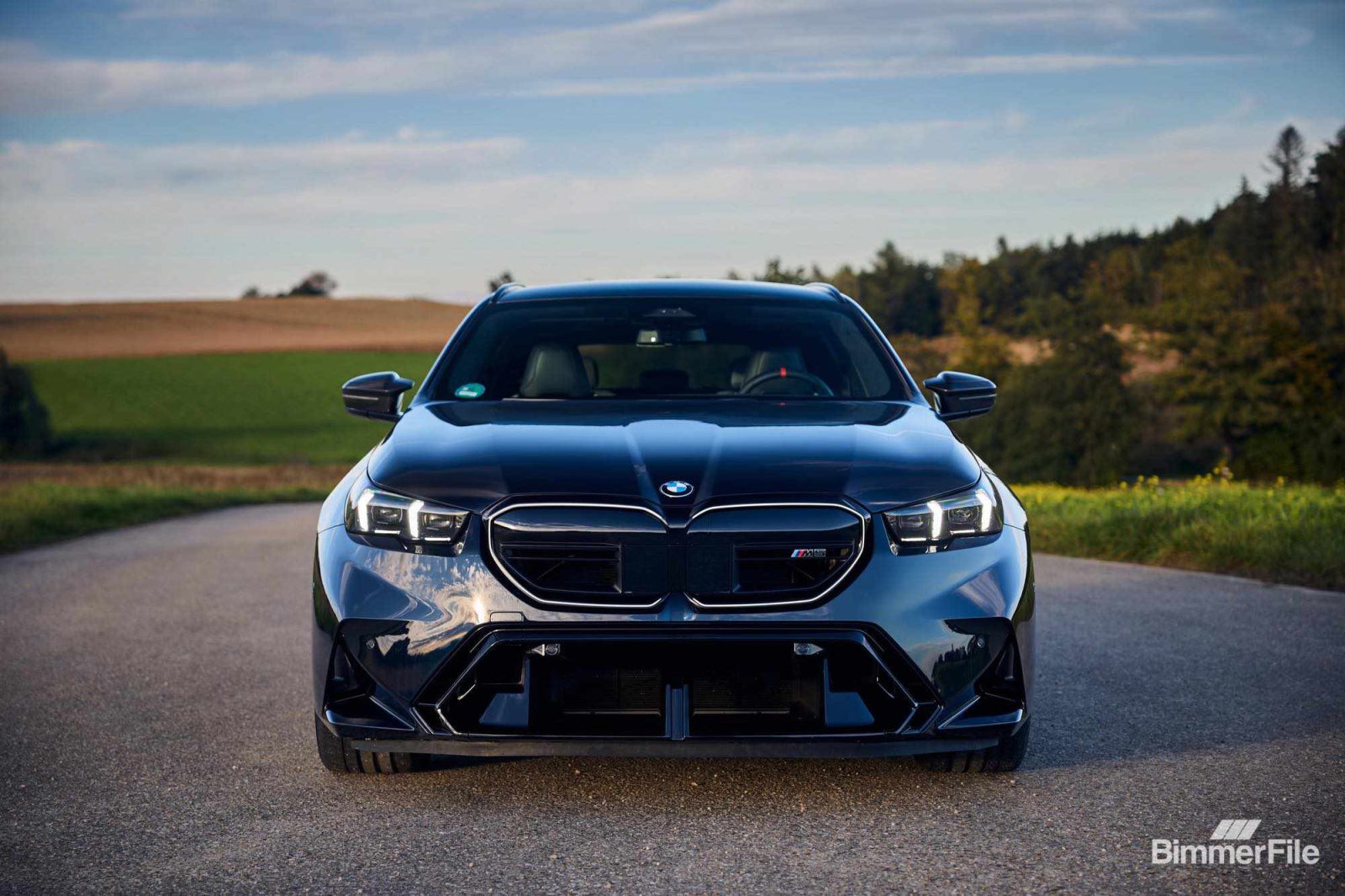
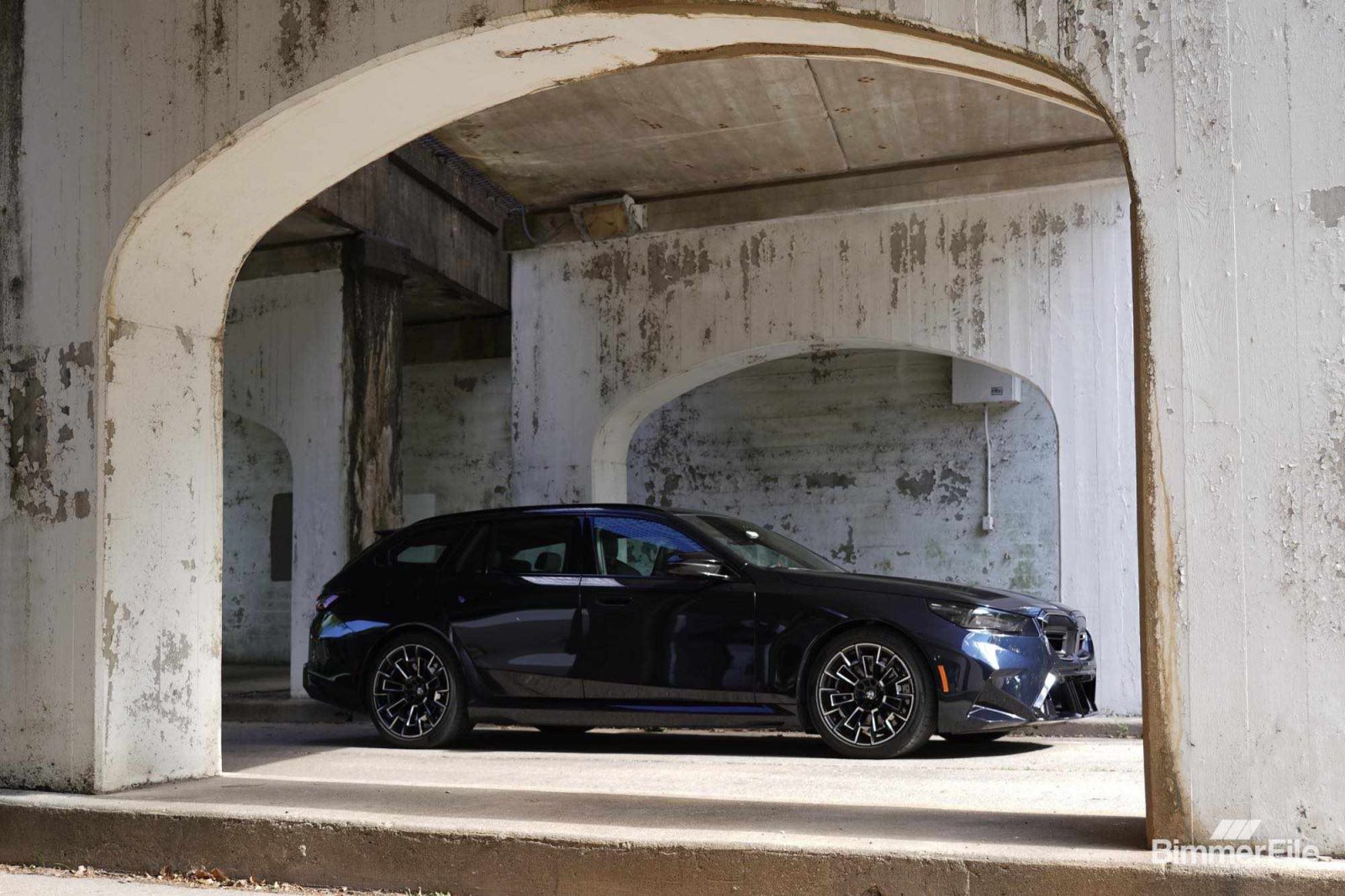
Inside the Hybrid System
It’s worth pulling the hybrid setup apart, because “PHEV” is doing a lot of work in every headline about this car and not much explaining. The S68 is the same twin-turbo 4.4-liter V8 architecture BMW uses in the XM, and on its own it’s rated at up to 577 horsepower and 750 Nm (553 lb-ft). Bolted to the 8-speed M Steptronic transmission is an electric motor rated at 194 horsepower and 280 Nm (207 lb-ft), fed by an 18.6 kWh battery pack. Combined, the system produces the 717 horsepower and 738 lb-ft (1,000 Nm) BMW quotes, sent through xDrive all-wheel drive.
The downsides are exactly what you’d expect from bolting a battery, motor, and cooling loop onto an already complex twin-turbo V8. This is a mechanically busier car than any M5 before it, with more systems that can eventually need attention and more mass to manage. That battery pack is a meaningful chunk of the nearly 1,000-pound gain over the outgoing generation discussed above, and it’s not a small tradeoff for a car whose entire brief is going fast.
The upside is that the complexity earns its keep in ways a spec sheet doesn’t capture. Around town, the handoff between electric motor and V8 is smooth enough that you stop noticing it happens at all, just quiet acceleration that occasionally turns into 717 horsepower without any drama in the transition. BMW quotes an EPA-estimated 25 miles of electric-only range, and in a week of mixed driving that lined up with what I saw in practice, including that 5am airport run I mentioned earlier, done entirely on electric power with the V8 never waking up. For anyone doing short urban trips on a daily basis, that’s a genuinely emissions-free commute sitting inside a car that can also embarrass most things at a stoplight.
A Segment BMW Almost Walked Away From
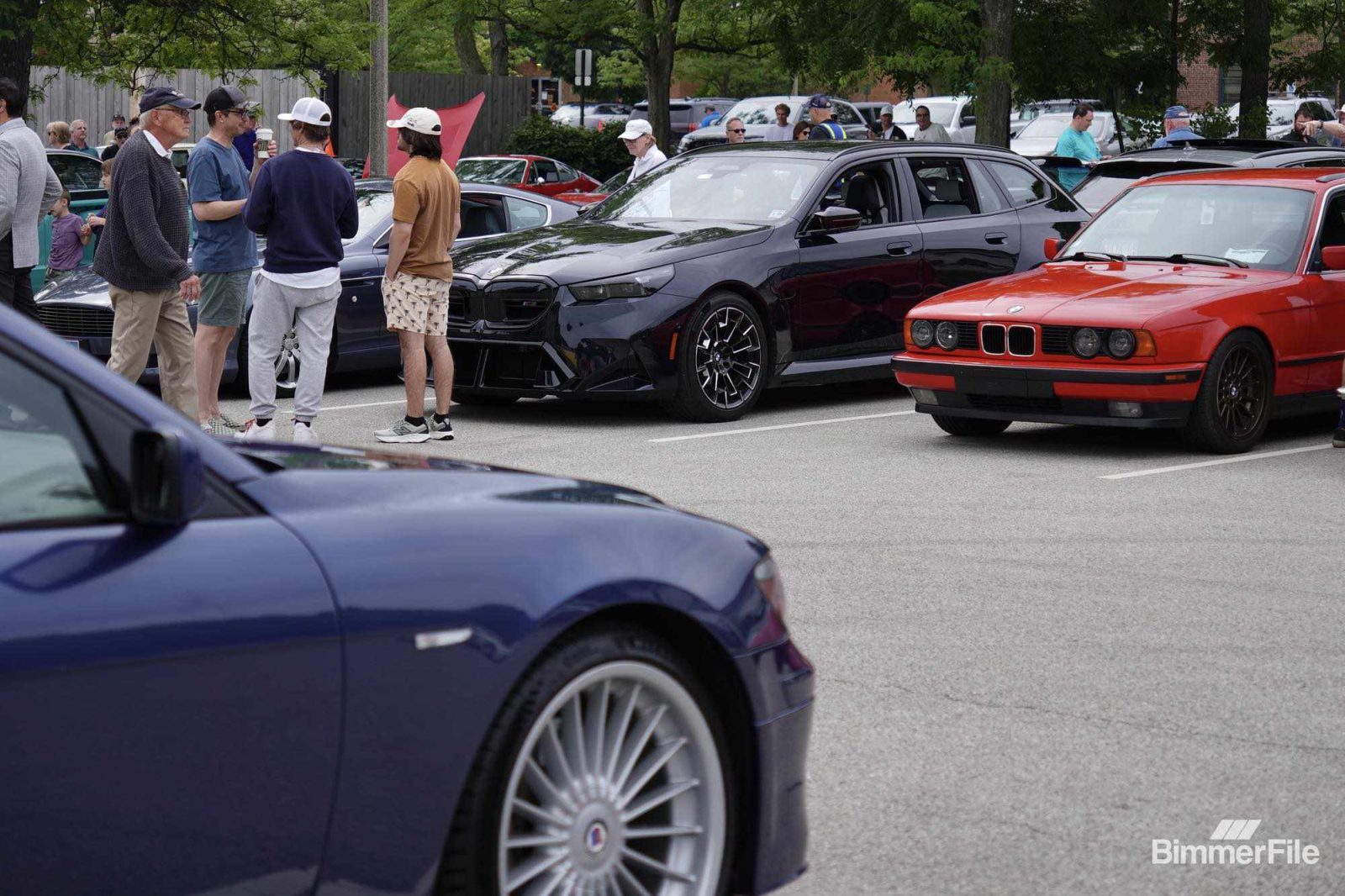
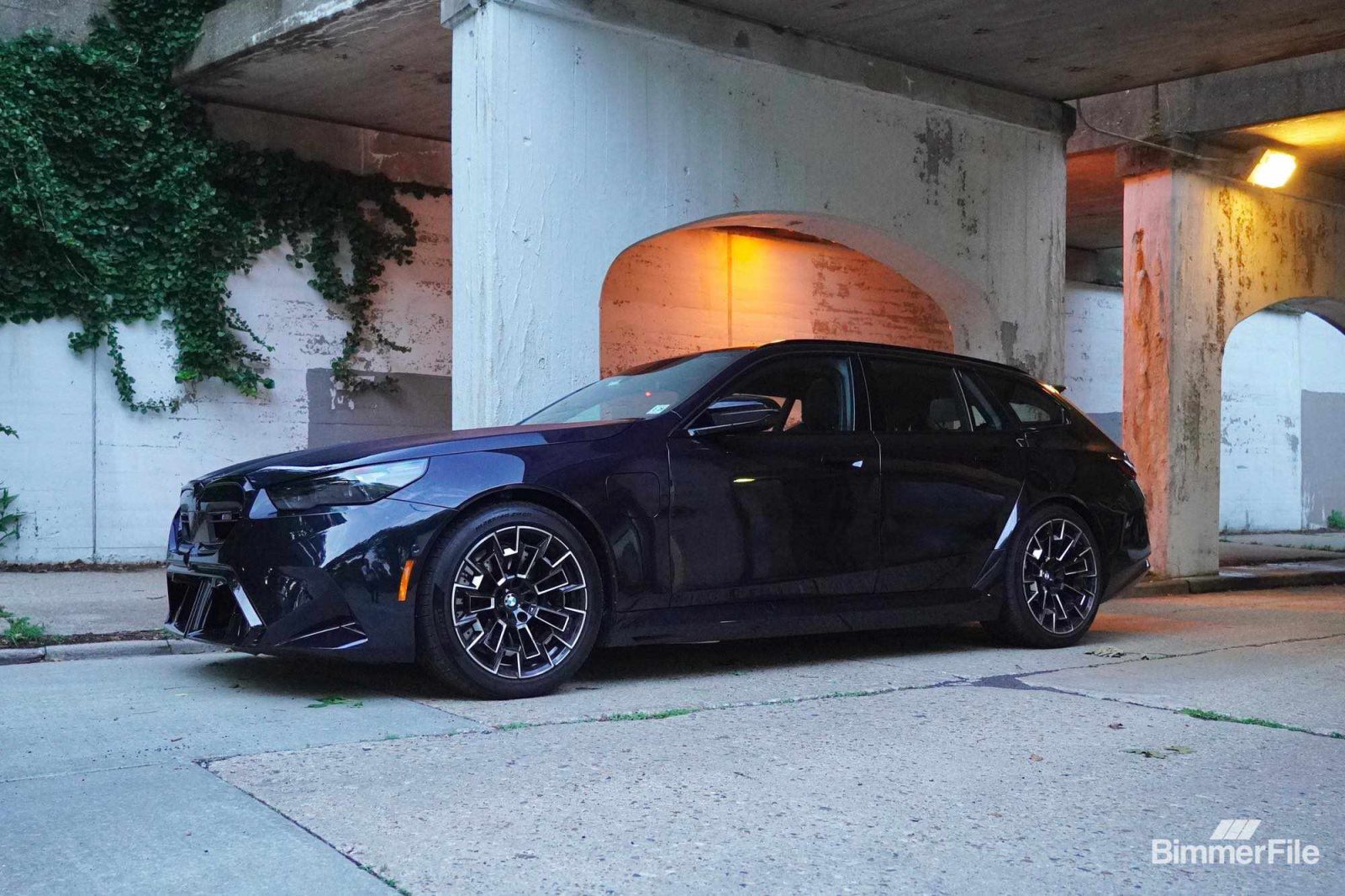
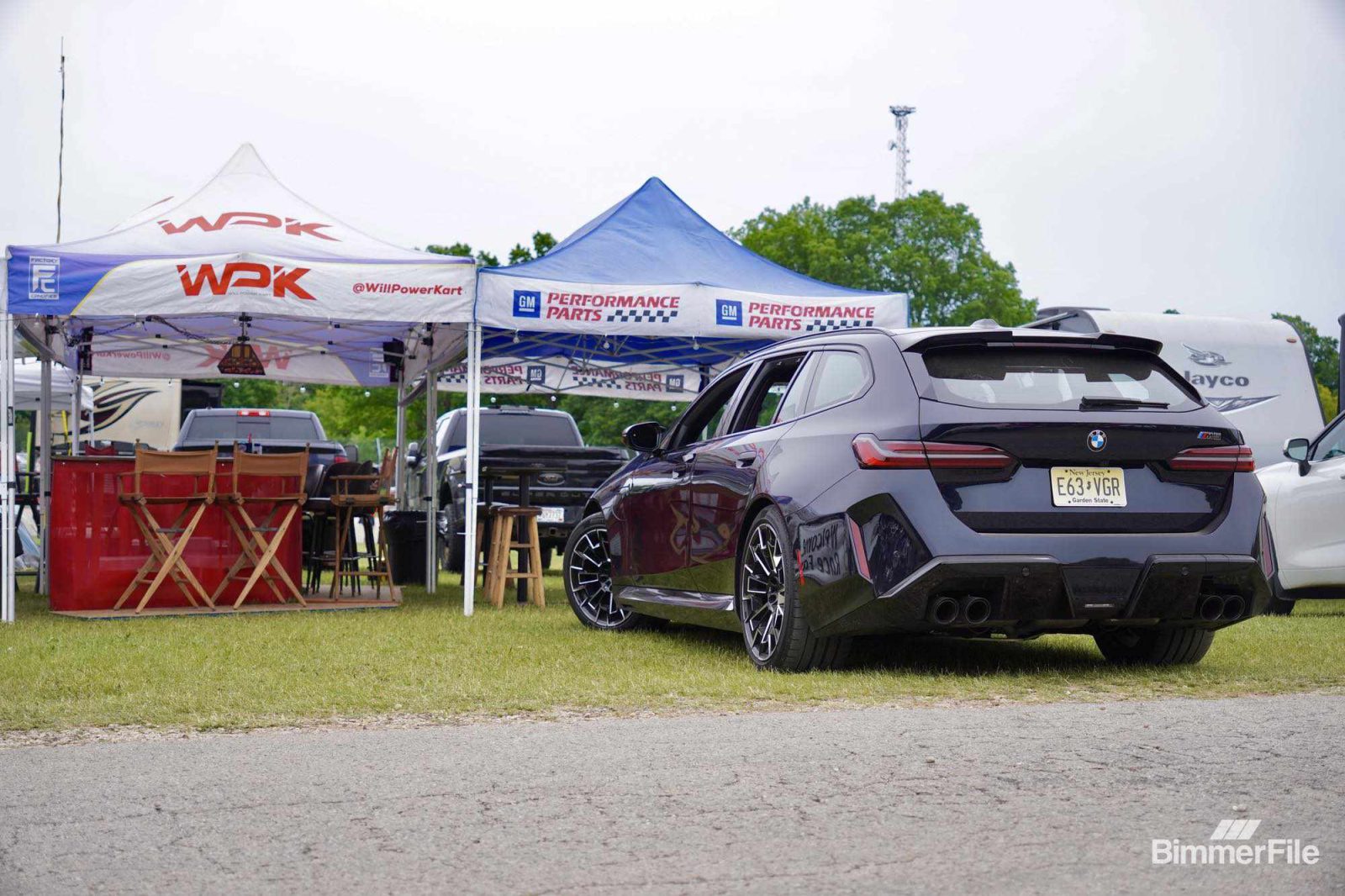
There’s context worth remembering here. This is only the third M5 Touring BMW has ever built, after the E34 in the early 90s and the E61 in the mid 2000s, and neither of those cars was ever officially sold in the United States. This is the first time an American buyer can walk into a dealership and drive one home. That alone makes the G90 Touring worth paying attention to, independent of how it stacks up against a CS from three years ago.
And BMW isn’t alone in defending this shape. The M3 Touring, never sold stateside, has outsold BMW’s own expectations everywhere it’s offered. Audi kept developing the RS6. Mercedes never let the E63 wagon die. The high-performance wagon was supposed to be a rounding error in a market that wants crossovers. Instead it’s one of the more competitive corners of the segment.

Why Not Just Buy an X5 M
It’s the comparison nobody says out loud but everyone is thinking. An X5 M or X6 M gets you similar practicality often for comparable money. The difference is ride height. Everything about how a car turns in, loads through a corner, and telegraphs the road through the wheel changes with a taller stance. The M5 Touring sits lower than either SUV despite outweighing both by a meaningful margin, and it delivers SUV level usefulness from a stance no SUV can replicate. Drive them back to back and the distinction stops being theoretical. It’s also, for what it’s worth, a lot cooler than an SUV.
I say that as someone who dailies BMW wagons in the past and currently uses a MINI JCW Clubman as urban transportation, one of the last small performance wagons sold in America before MINI killed the model outright. Parking the Clubman next to a G90 M5 Touring is almost comedic, nearly 1,800 pounds and four and a half feet of length apart. But both cars exist for the same reason: someone inside a corporate parent kept betting that practicality and driver engagement didn’t have to be a trade-off, even after the market had mostly stopped agreeing.
The Verdict
The G90 M5 Touring is heavier than any M5 before it, and no amount of clever suspension tuning erases that under hard use. But weight alone was never going to be the whole review. This is the first M5 Touring Americans have ever been able to buy, it drives smaller than its spec sheet suggests in the conditions that make up most real ownership, and its hybrid system does actual work rather than just padding a curb weight figure.
The performance wagon was supposed to be dead. A week in the most extreme one BMW has ever built suggests the obituary ran early.
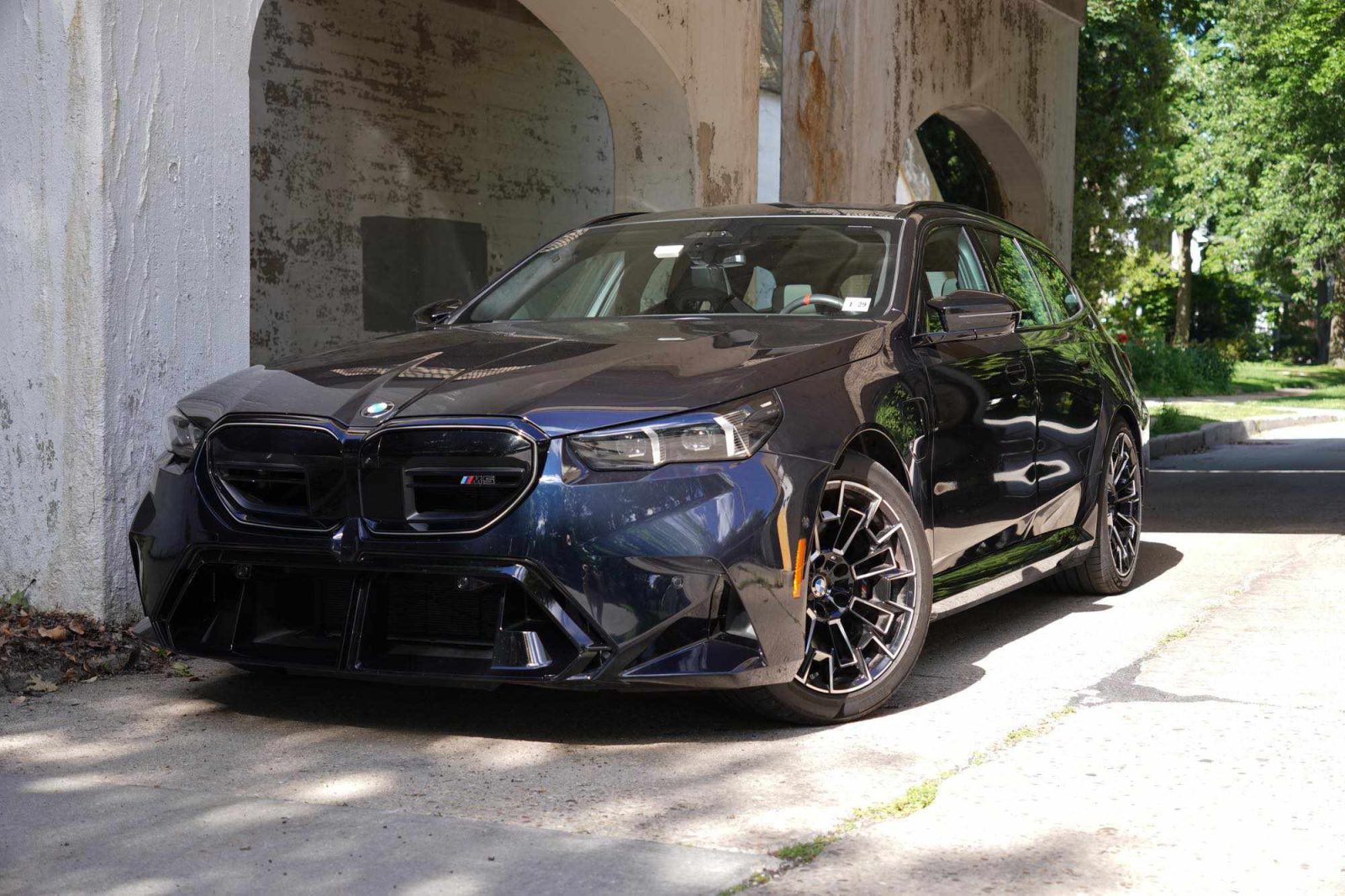
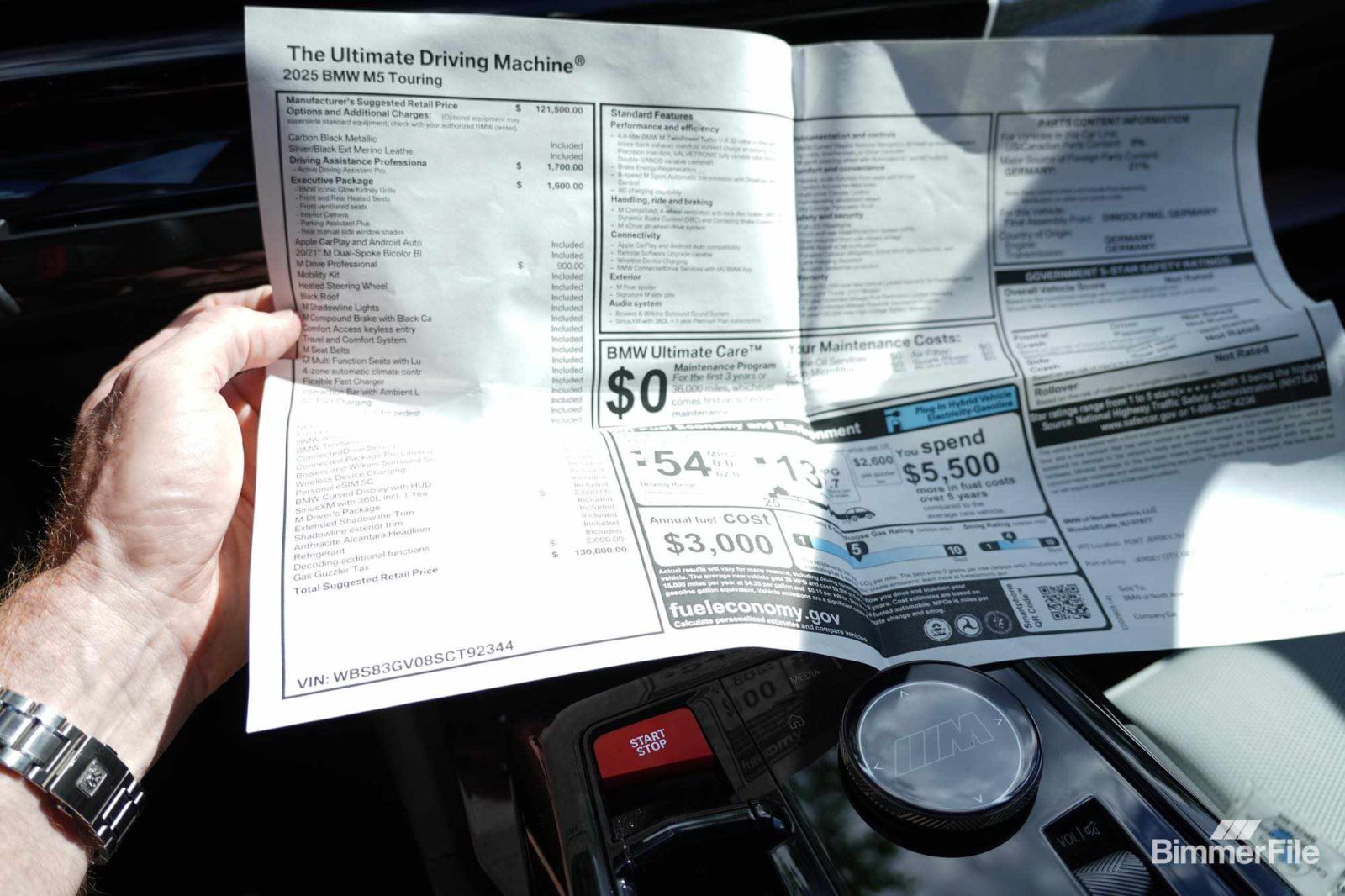
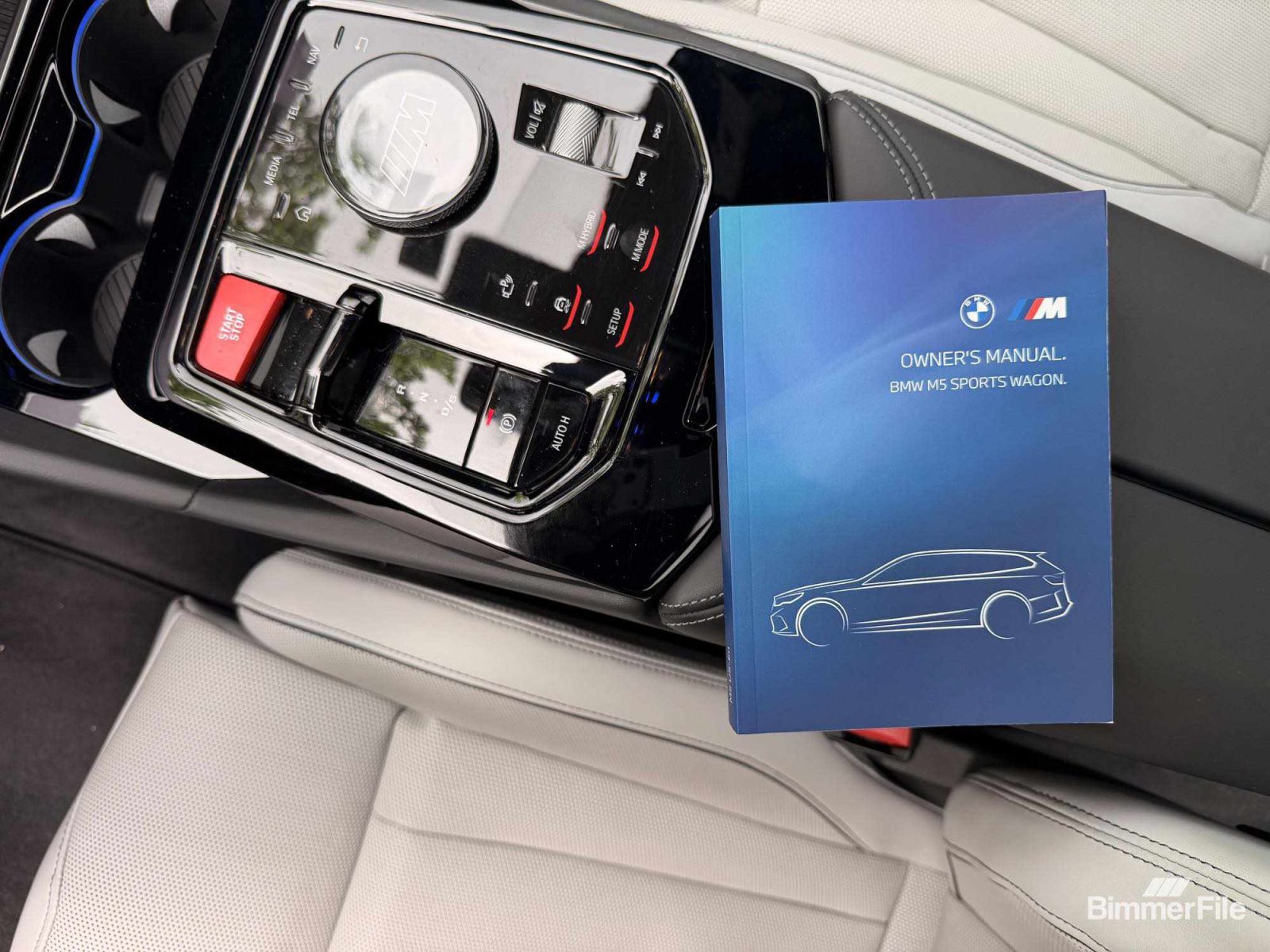
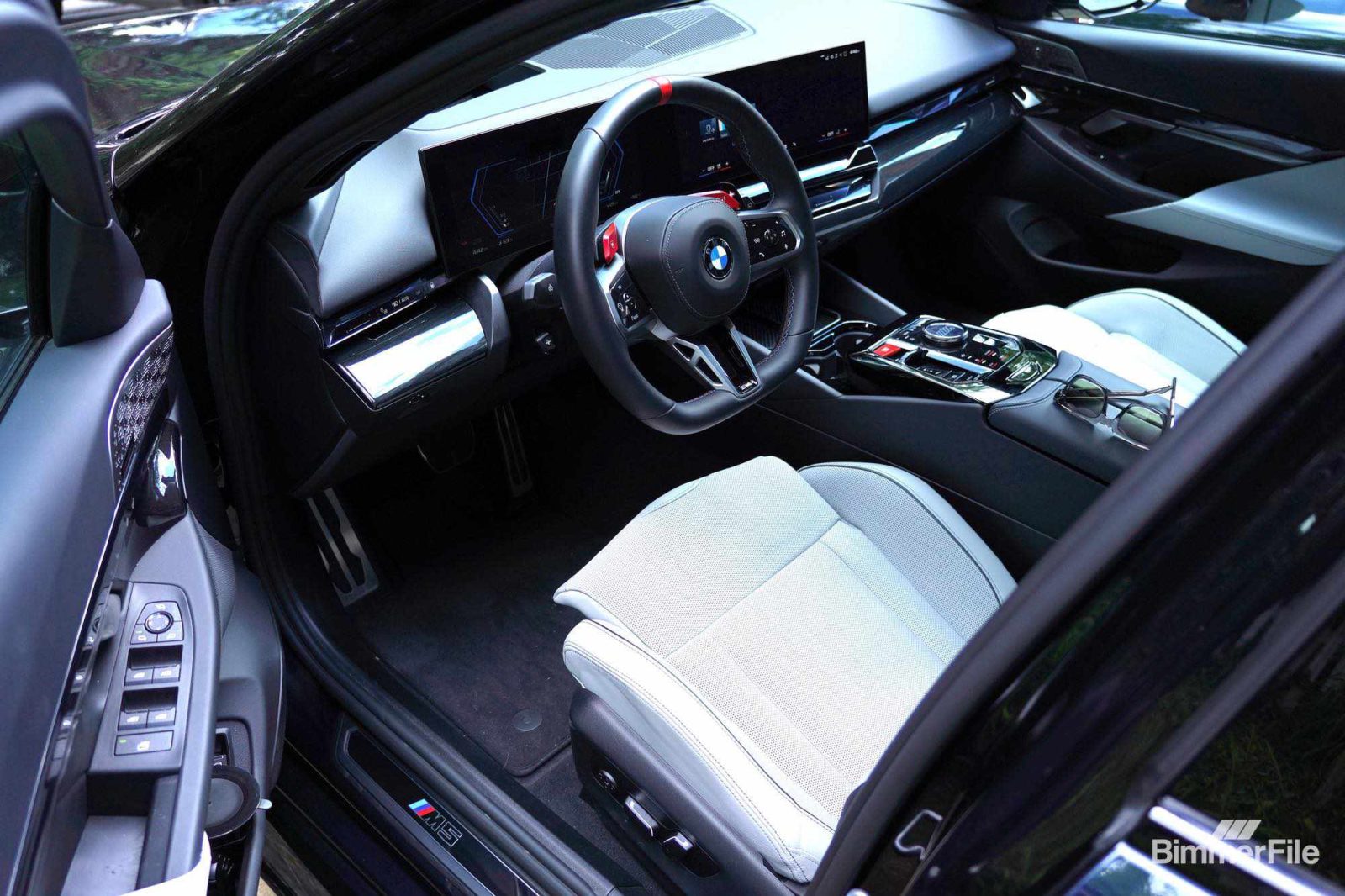
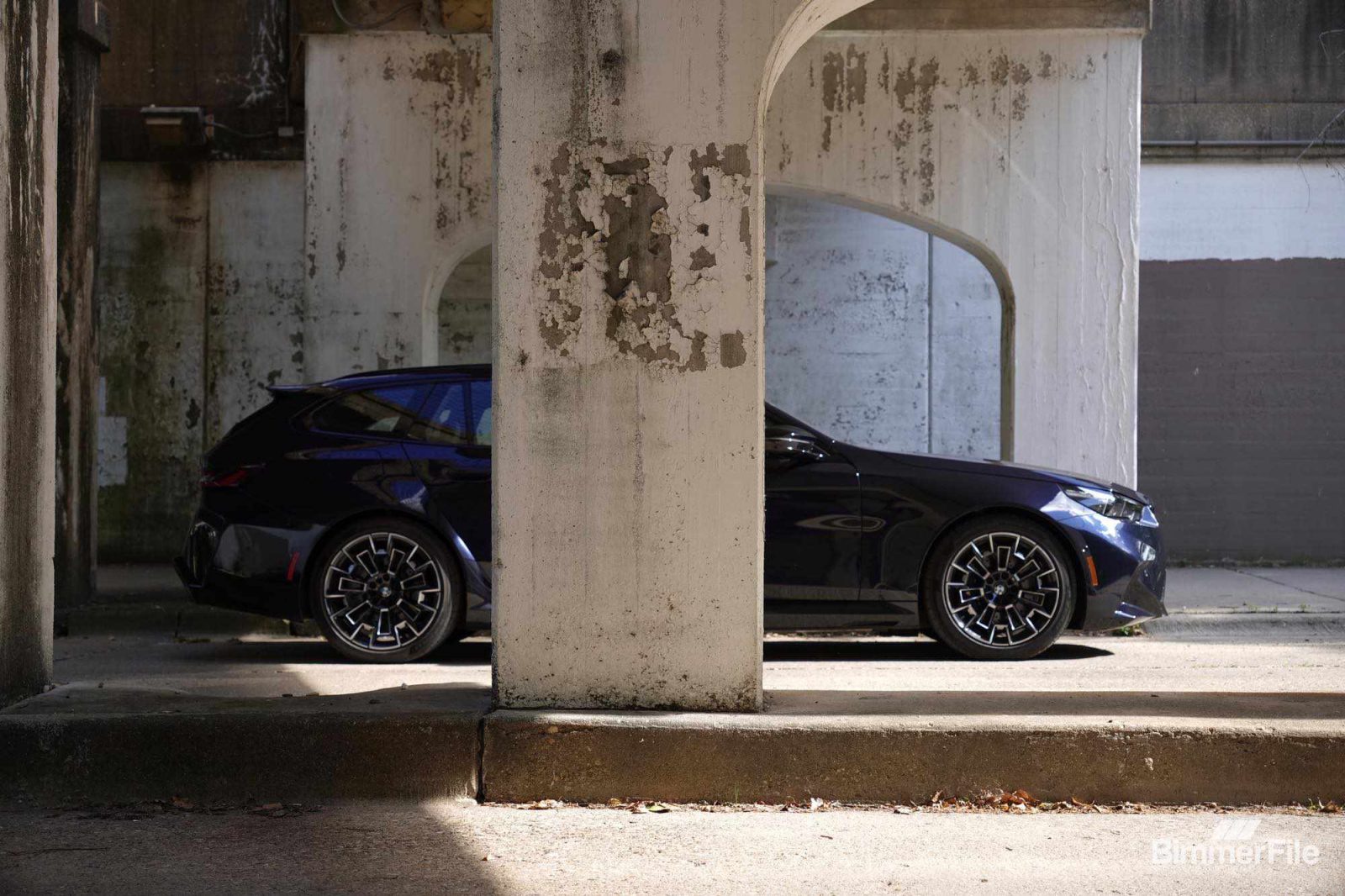
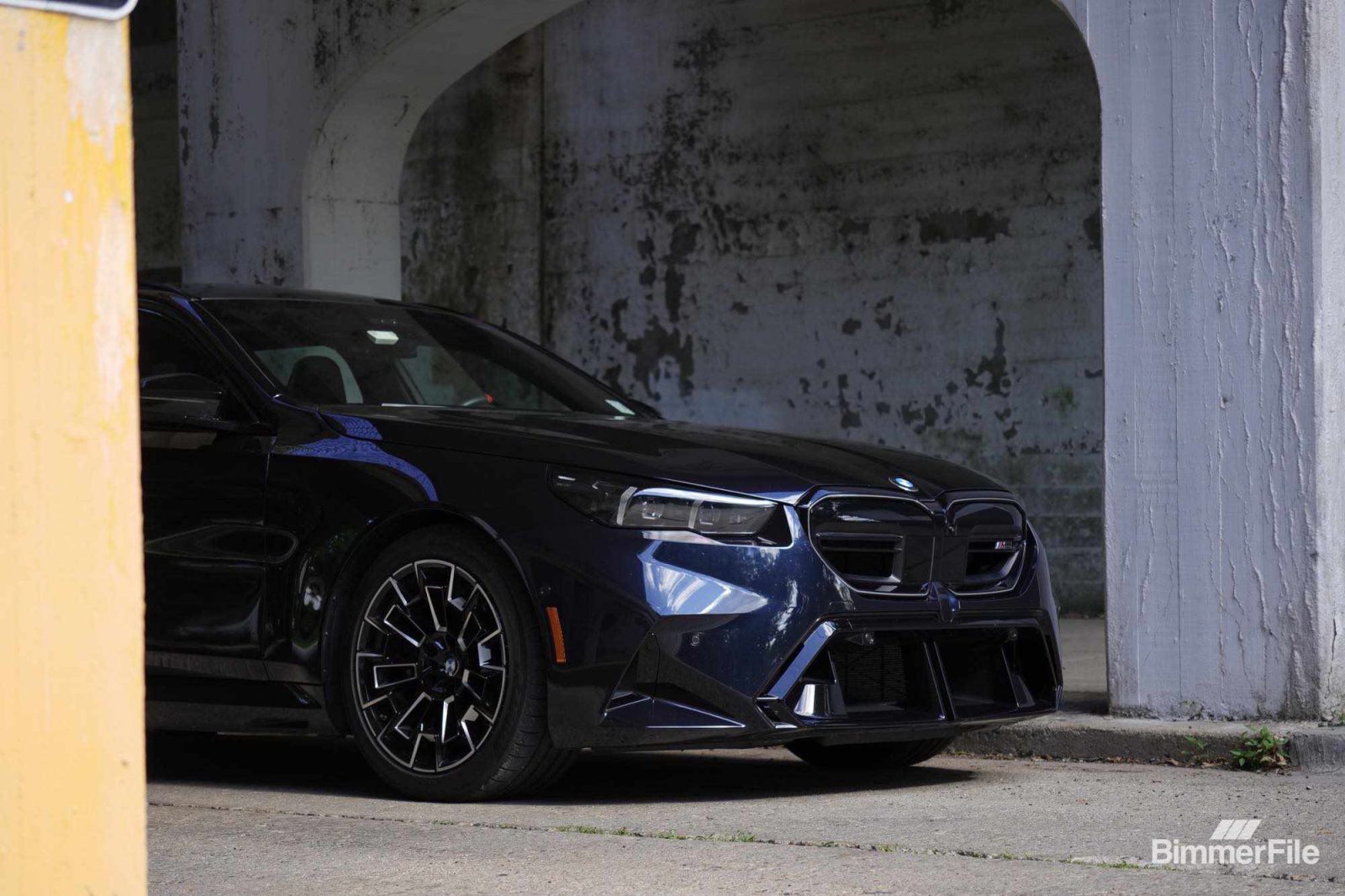
BMW M5 Touring Photo Gallery
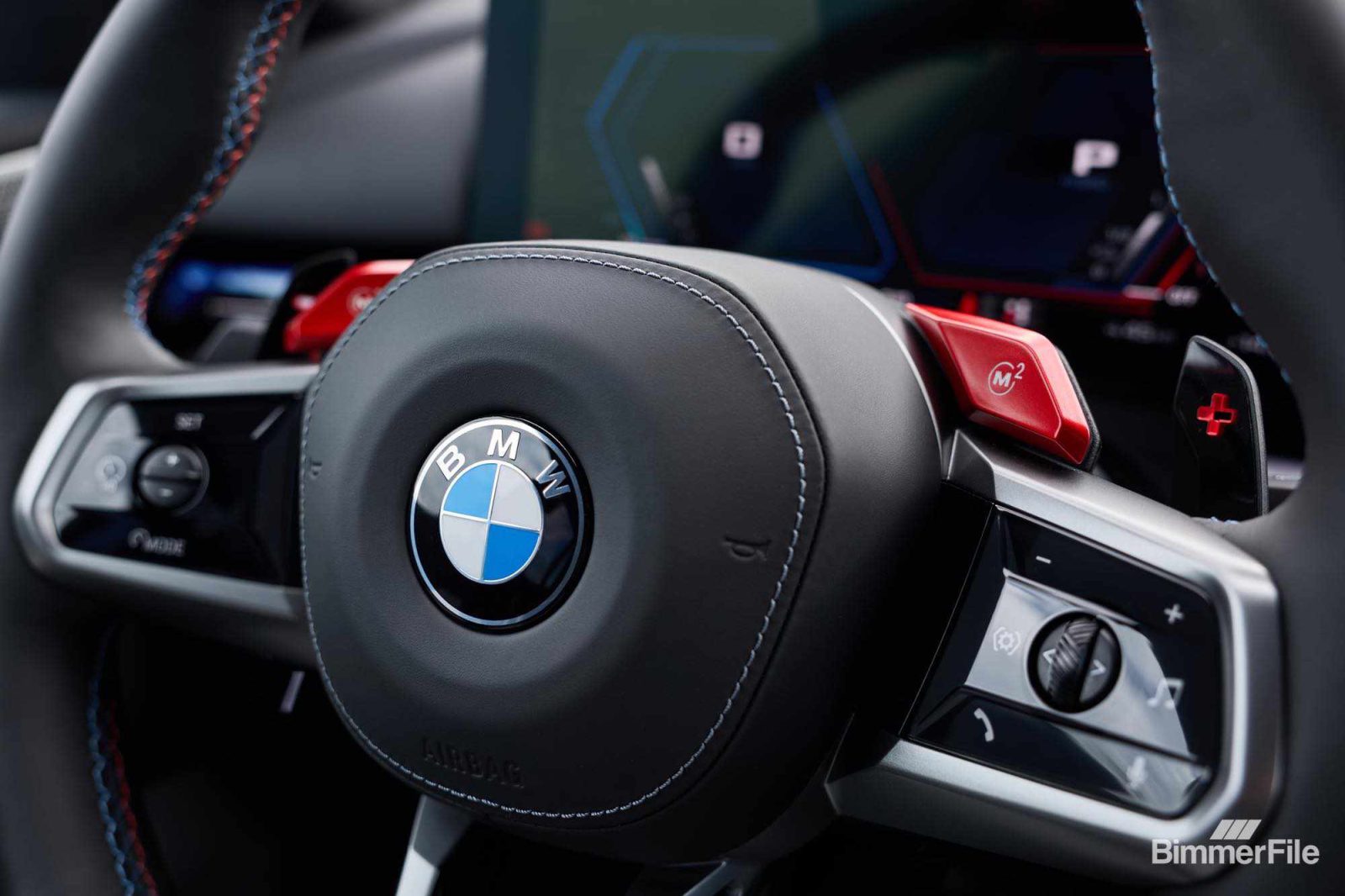
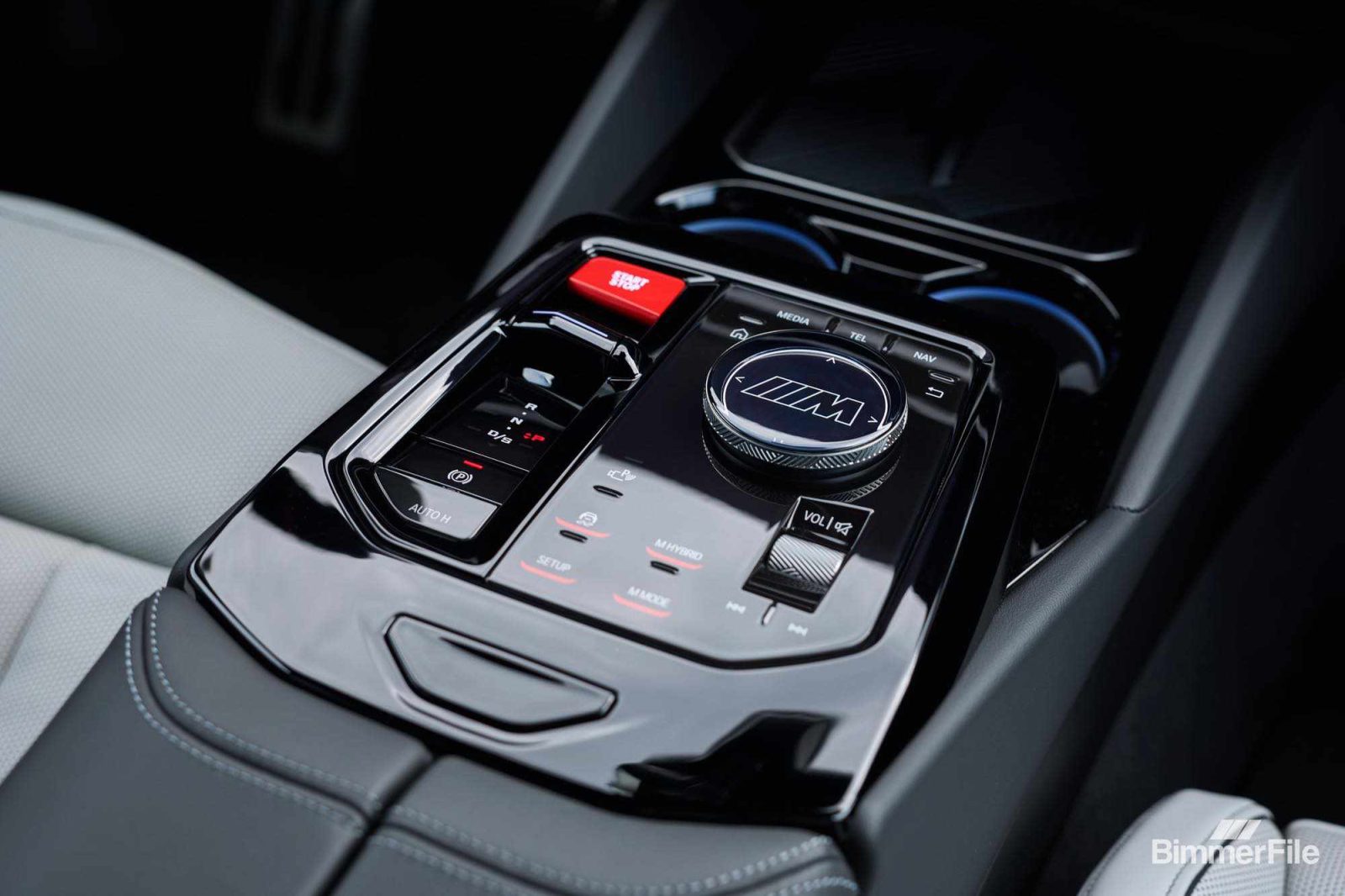
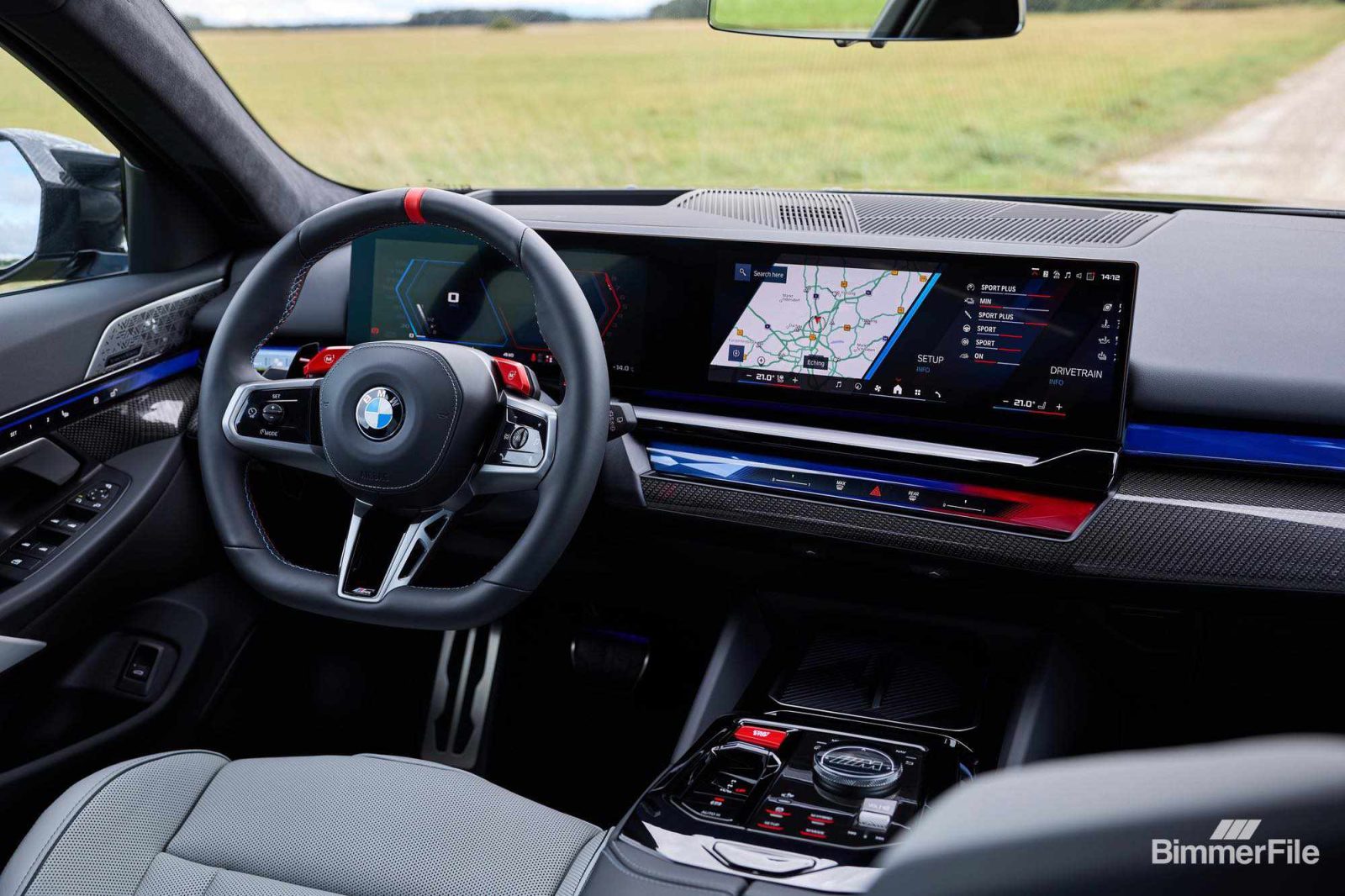
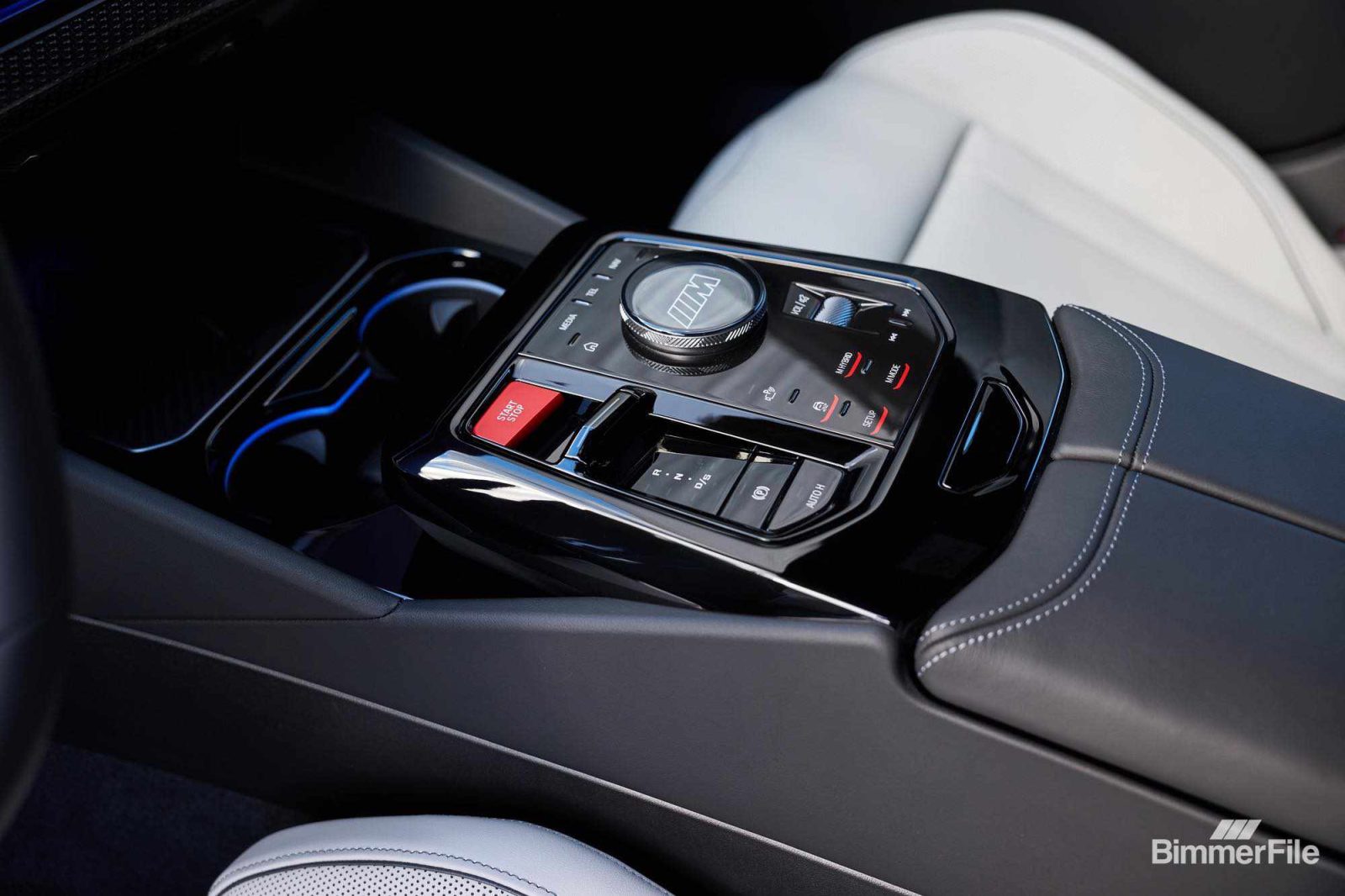
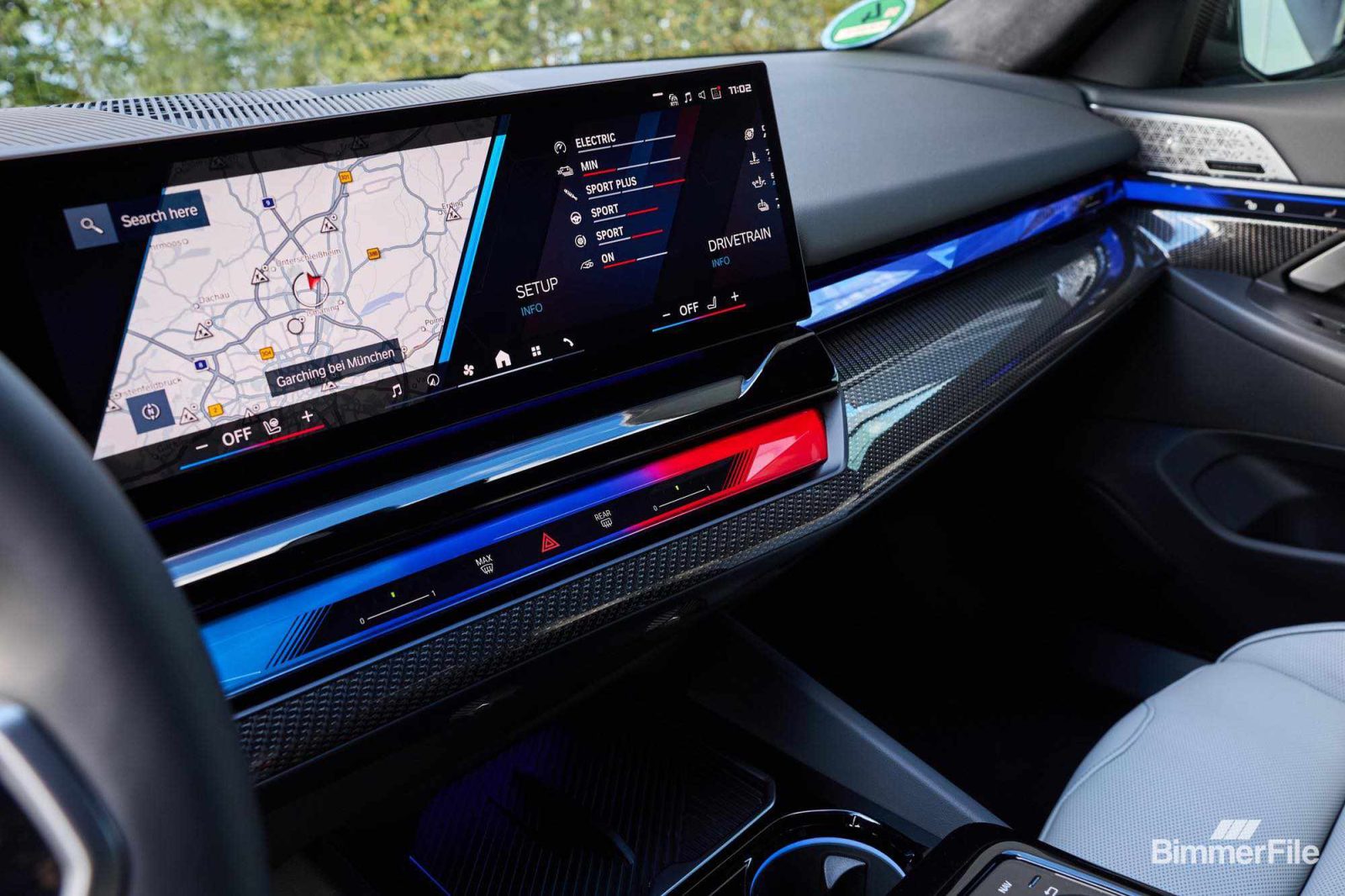
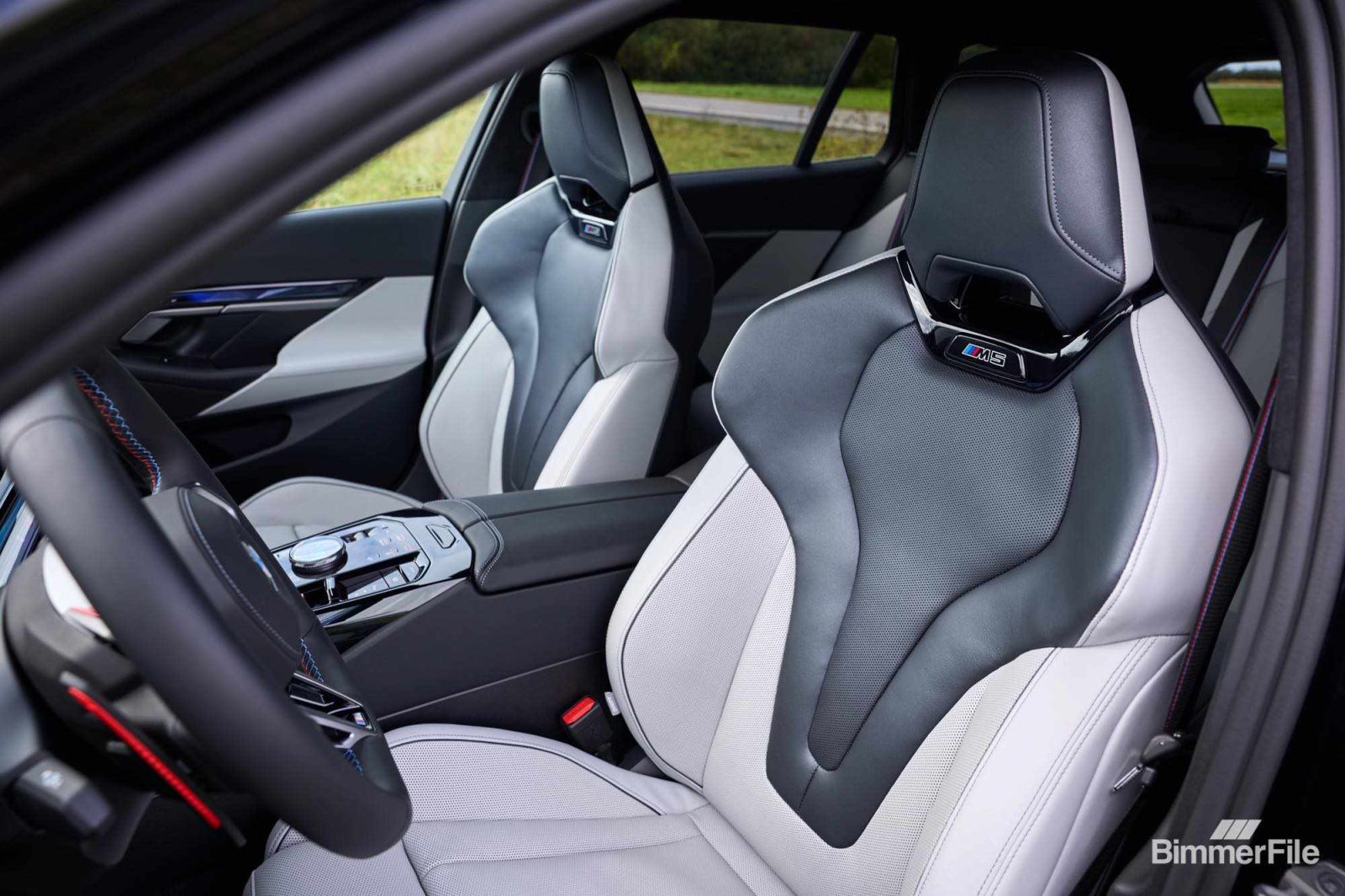
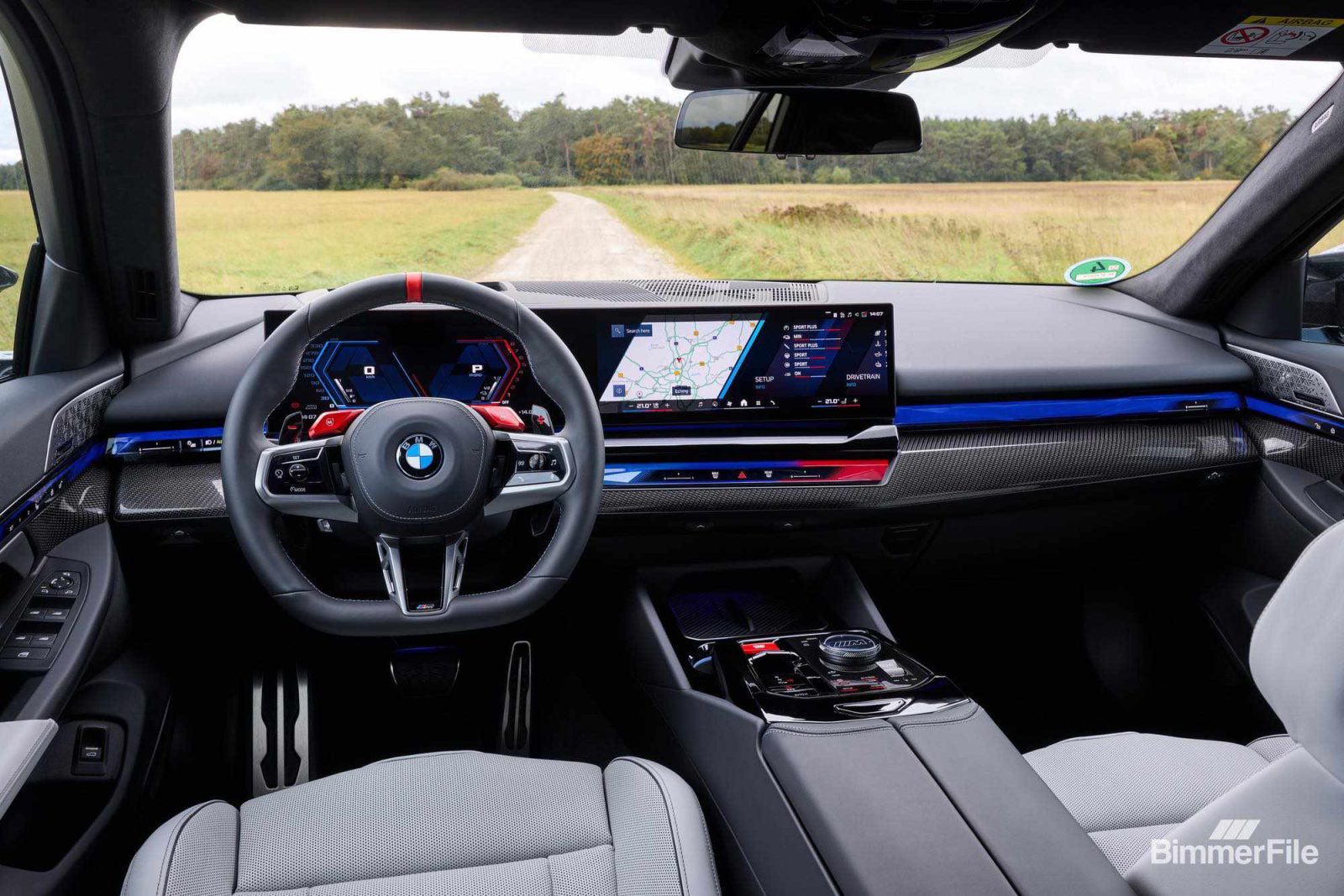
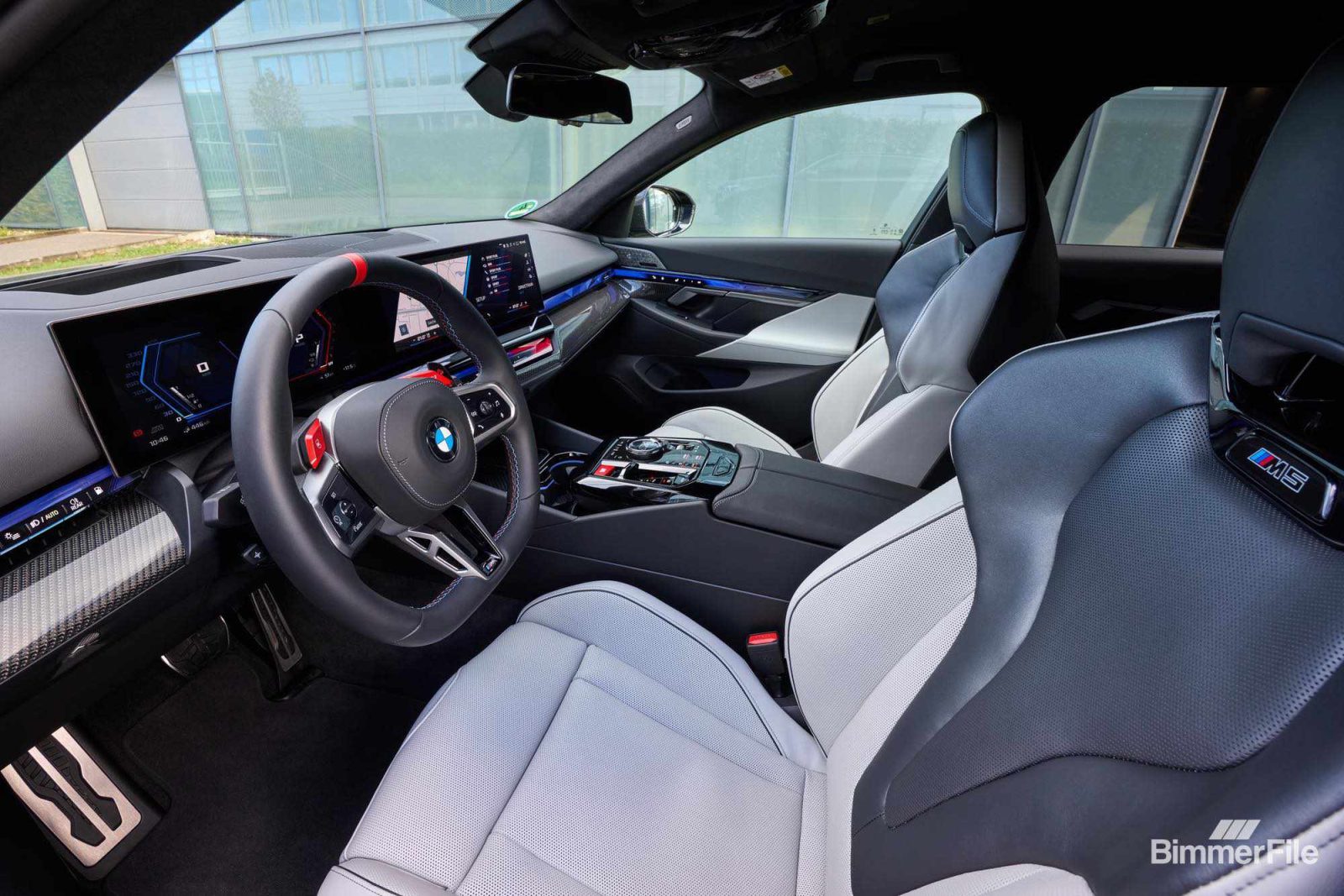
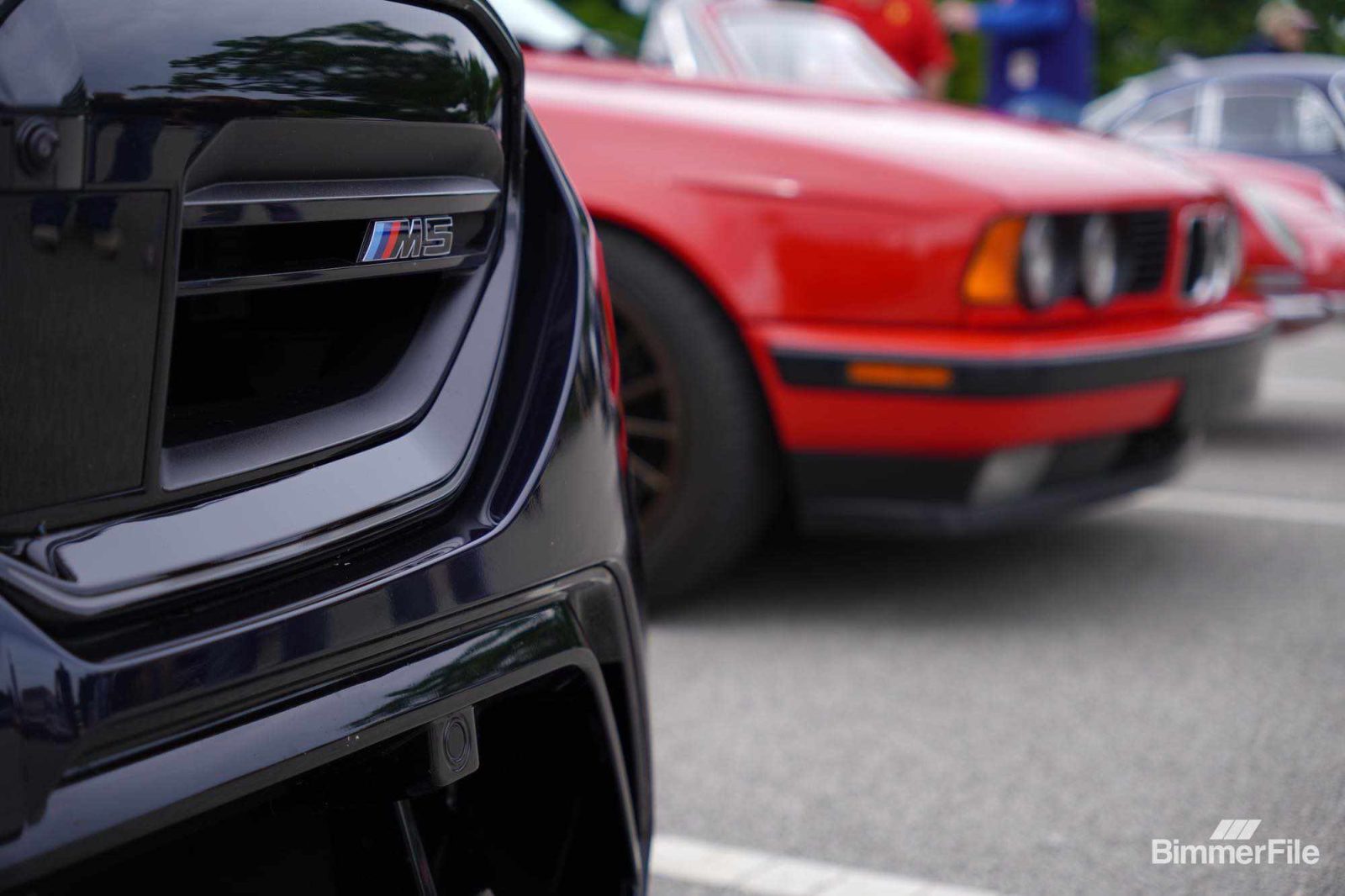
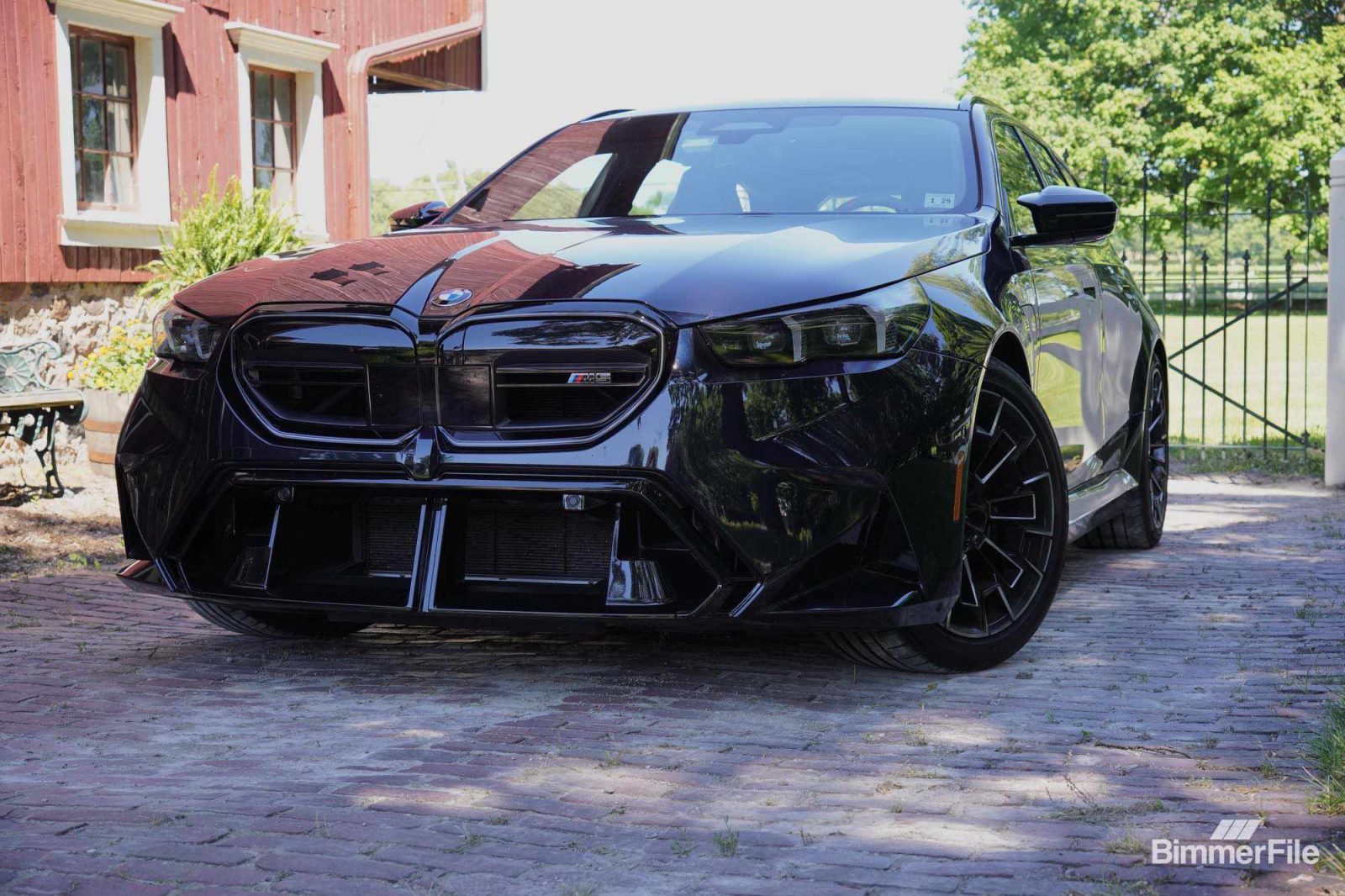
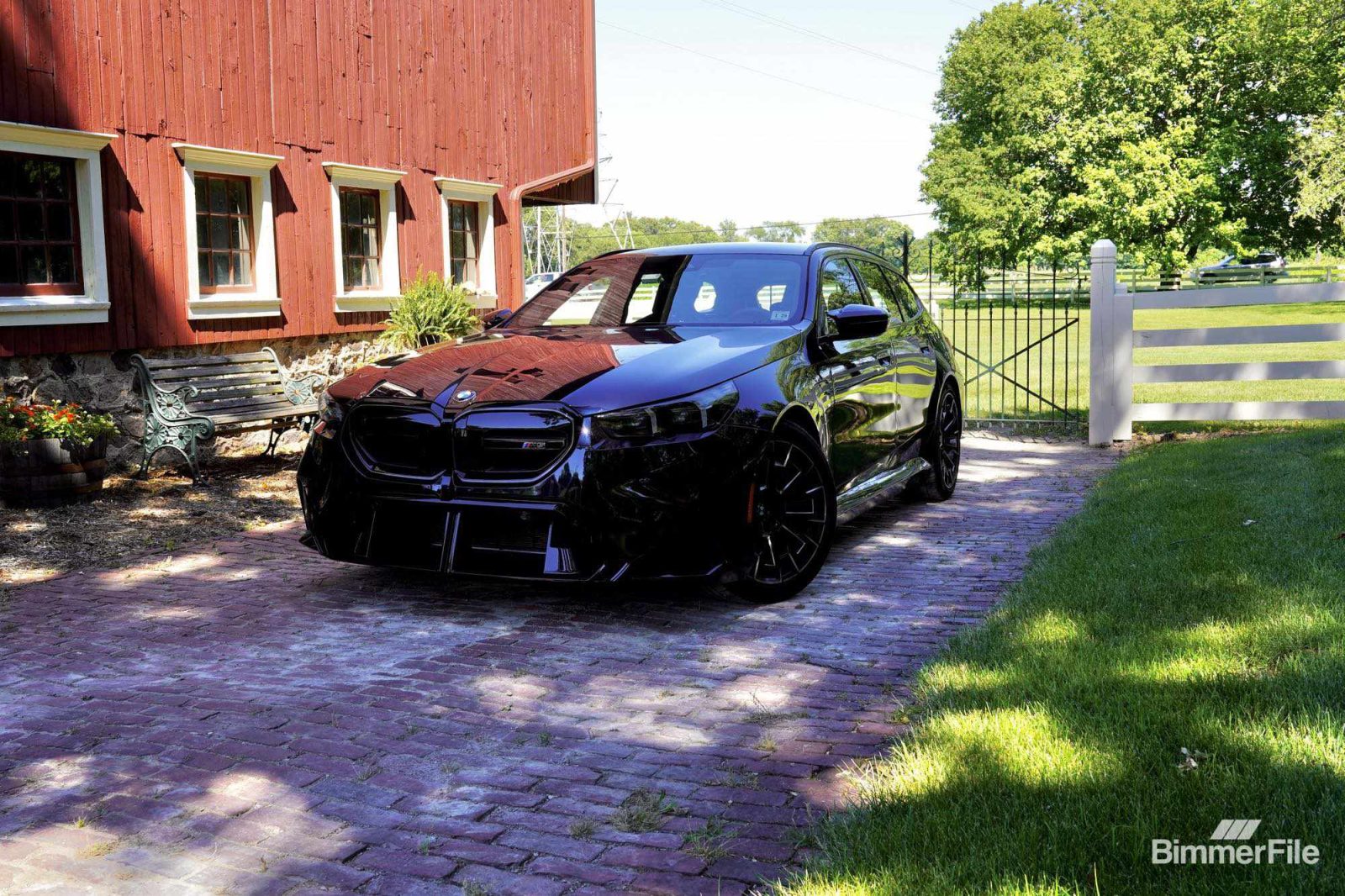
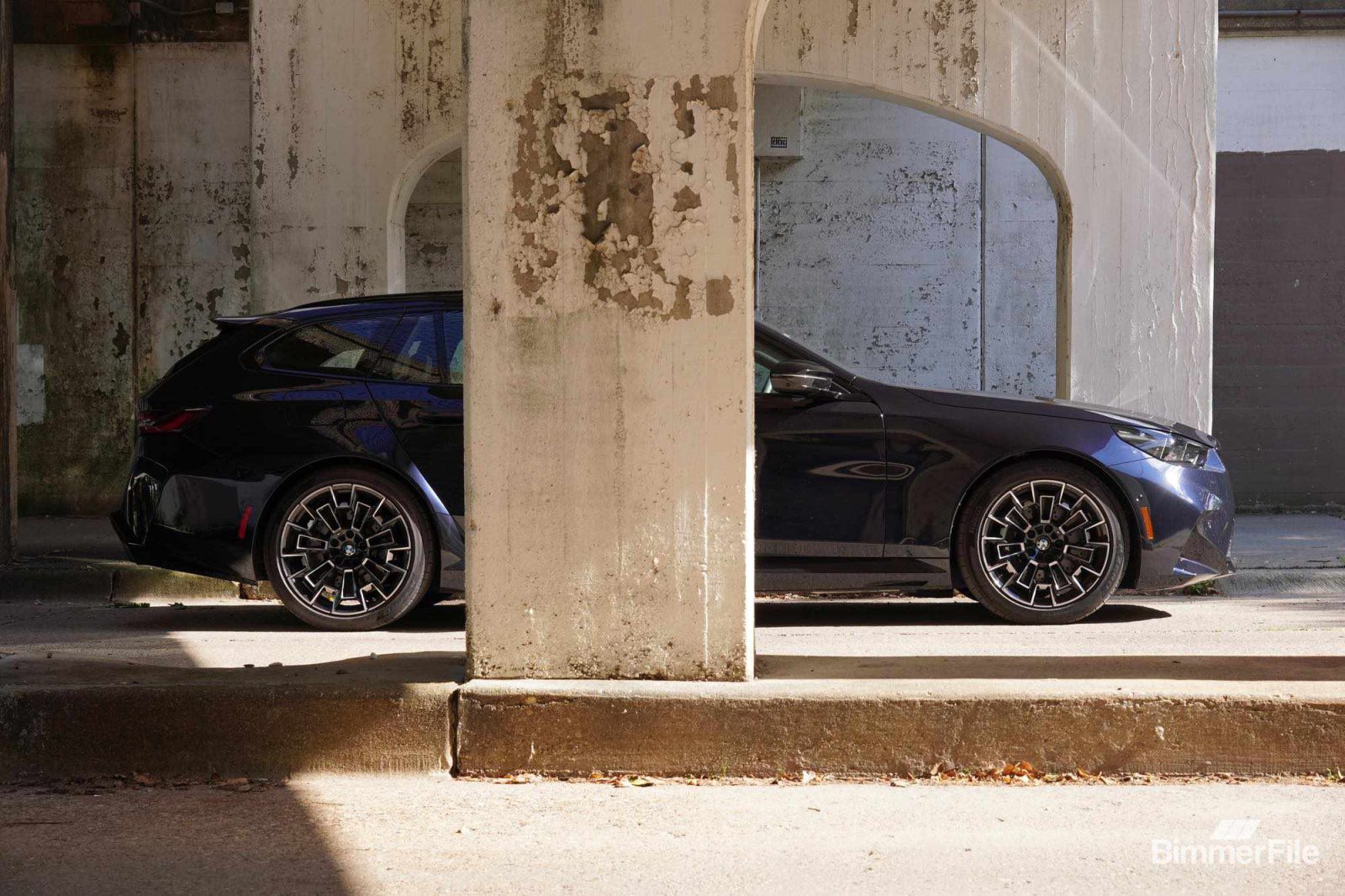
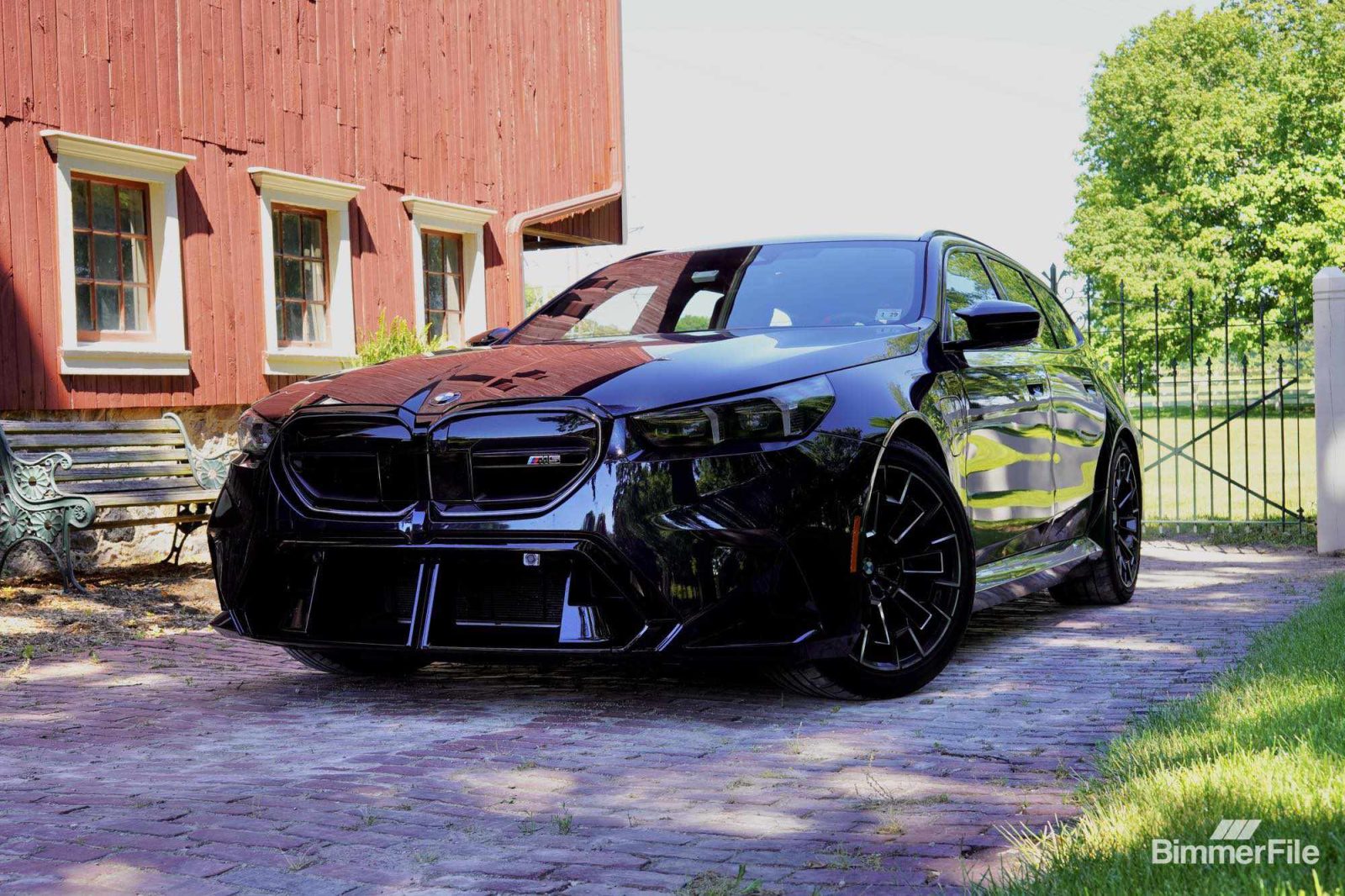
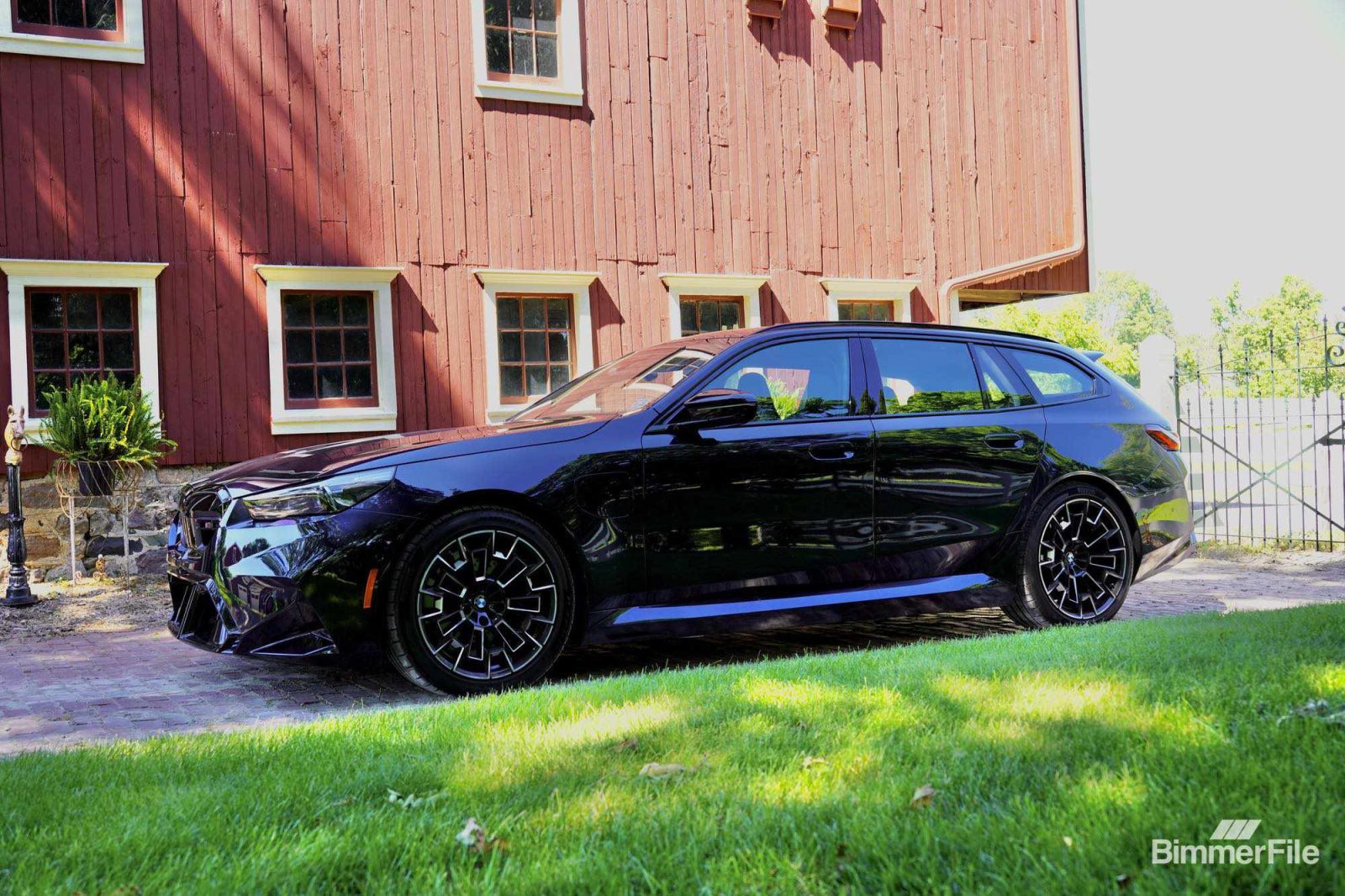
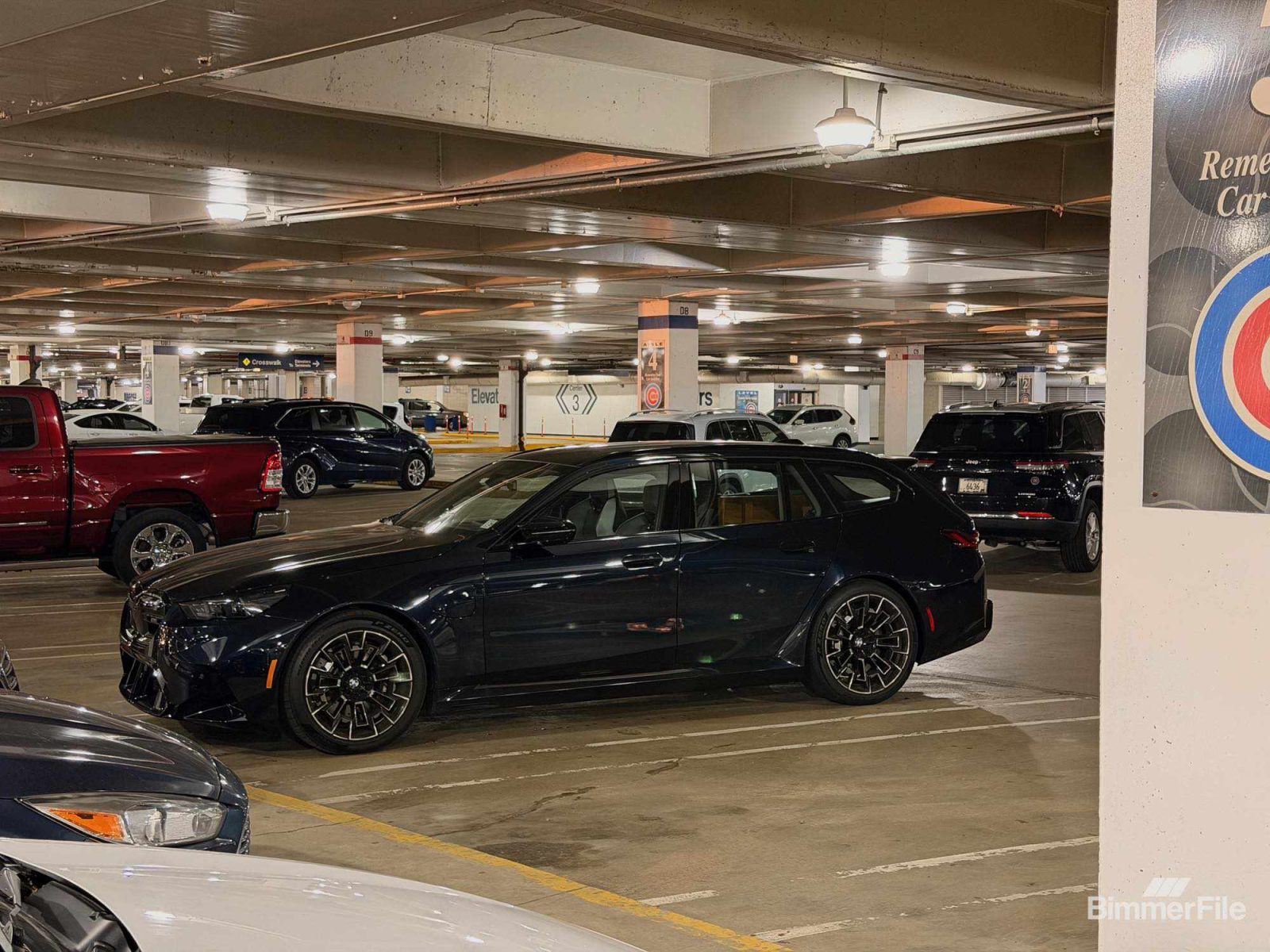
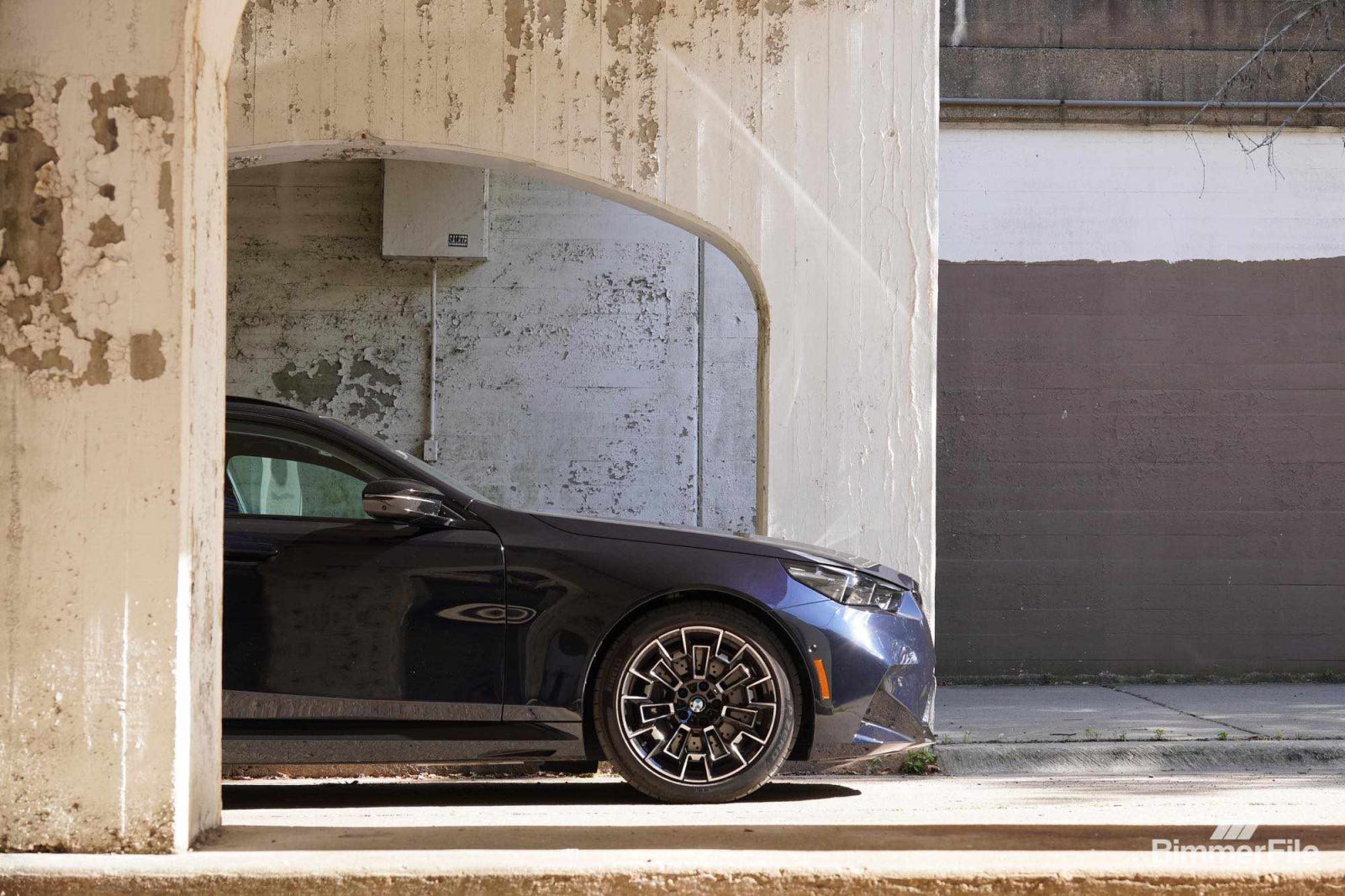
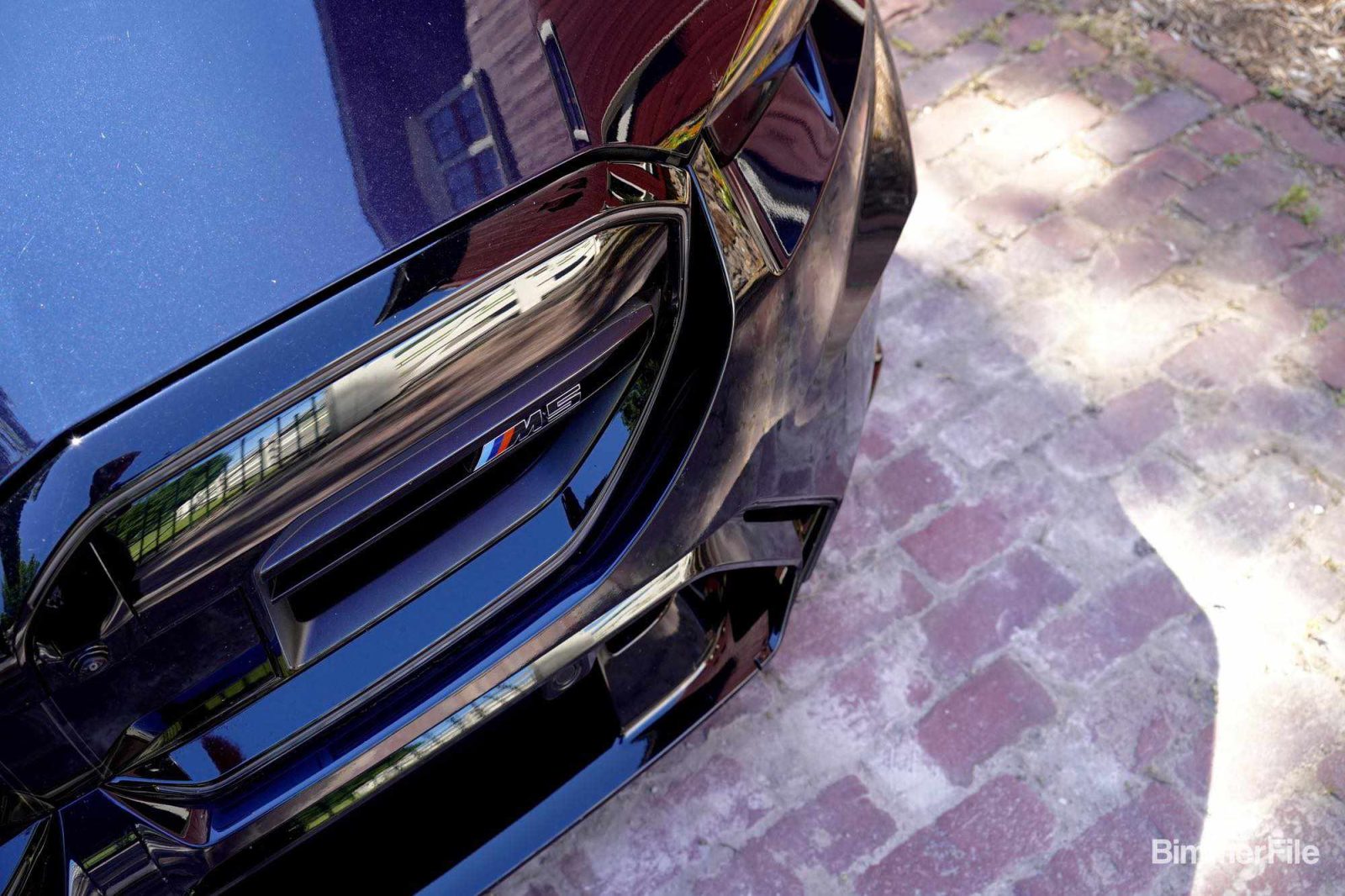
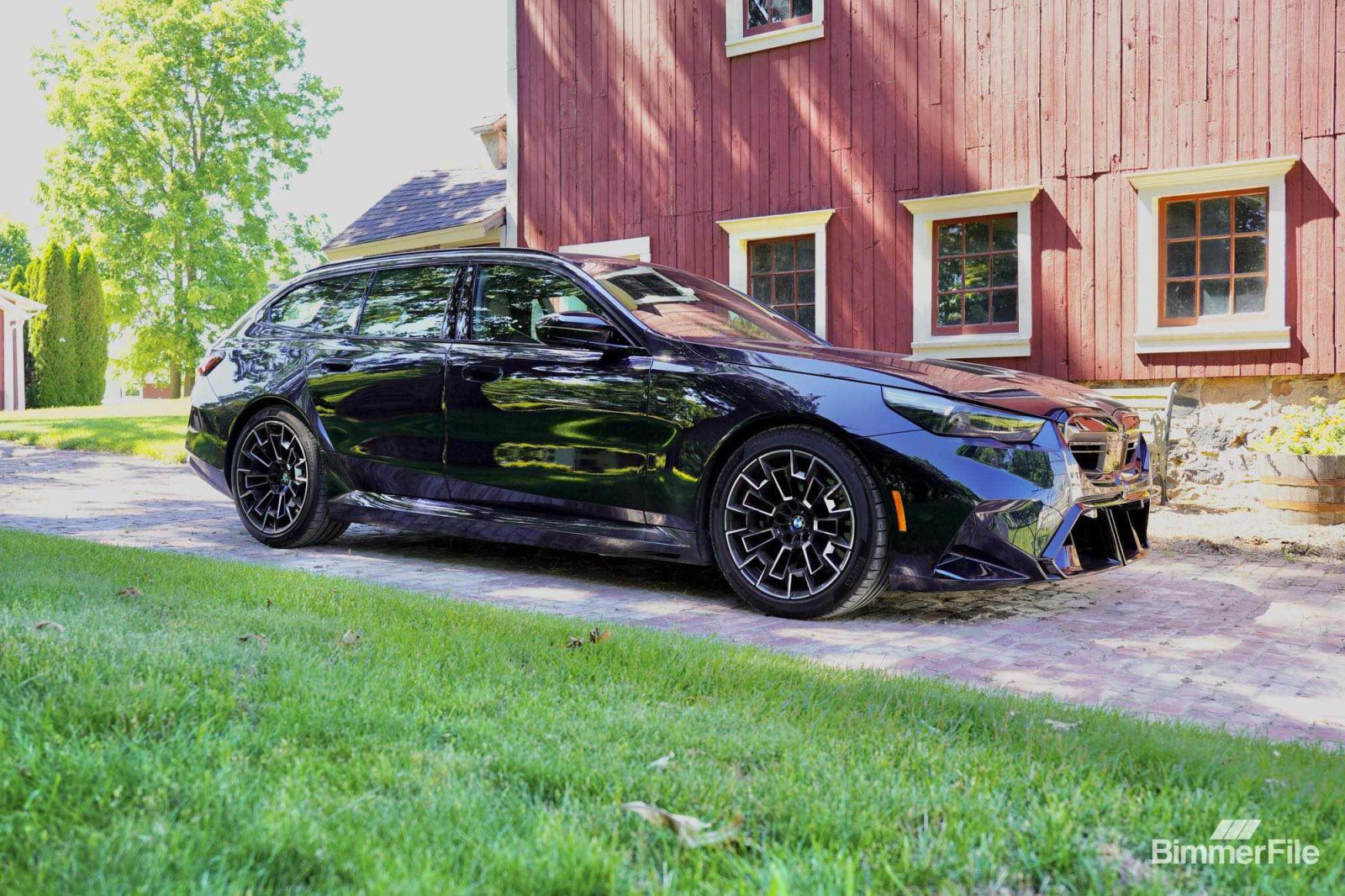
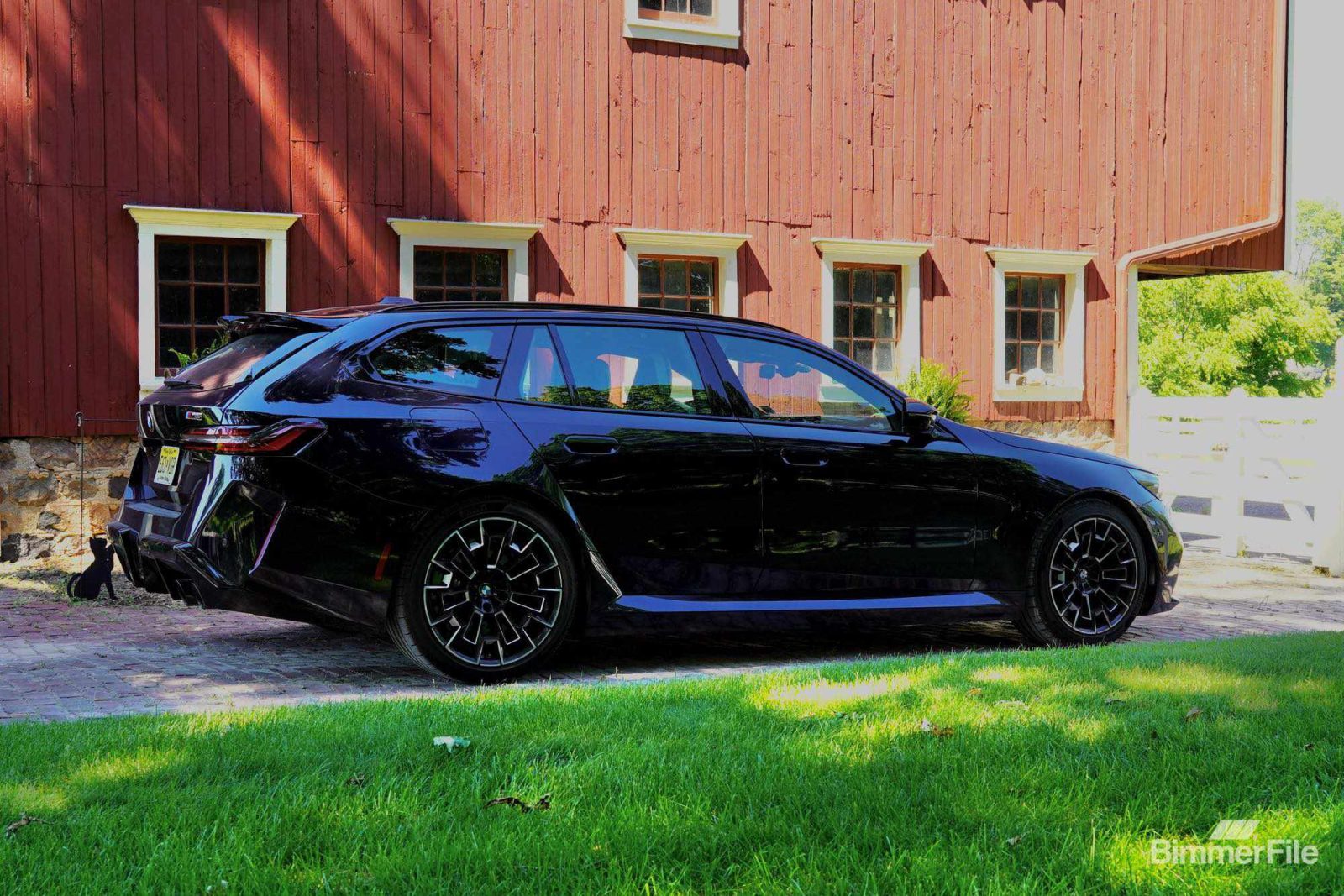
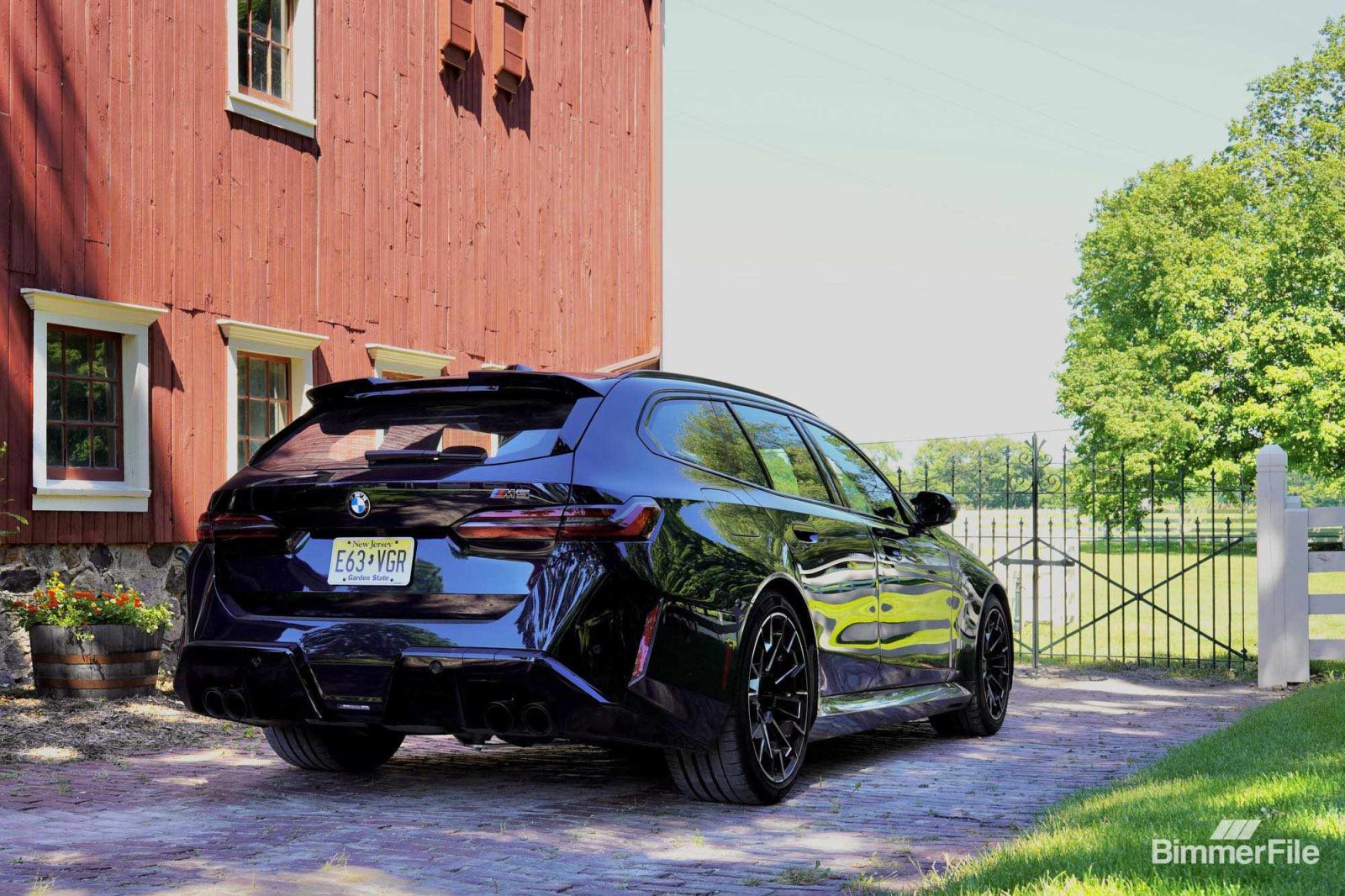
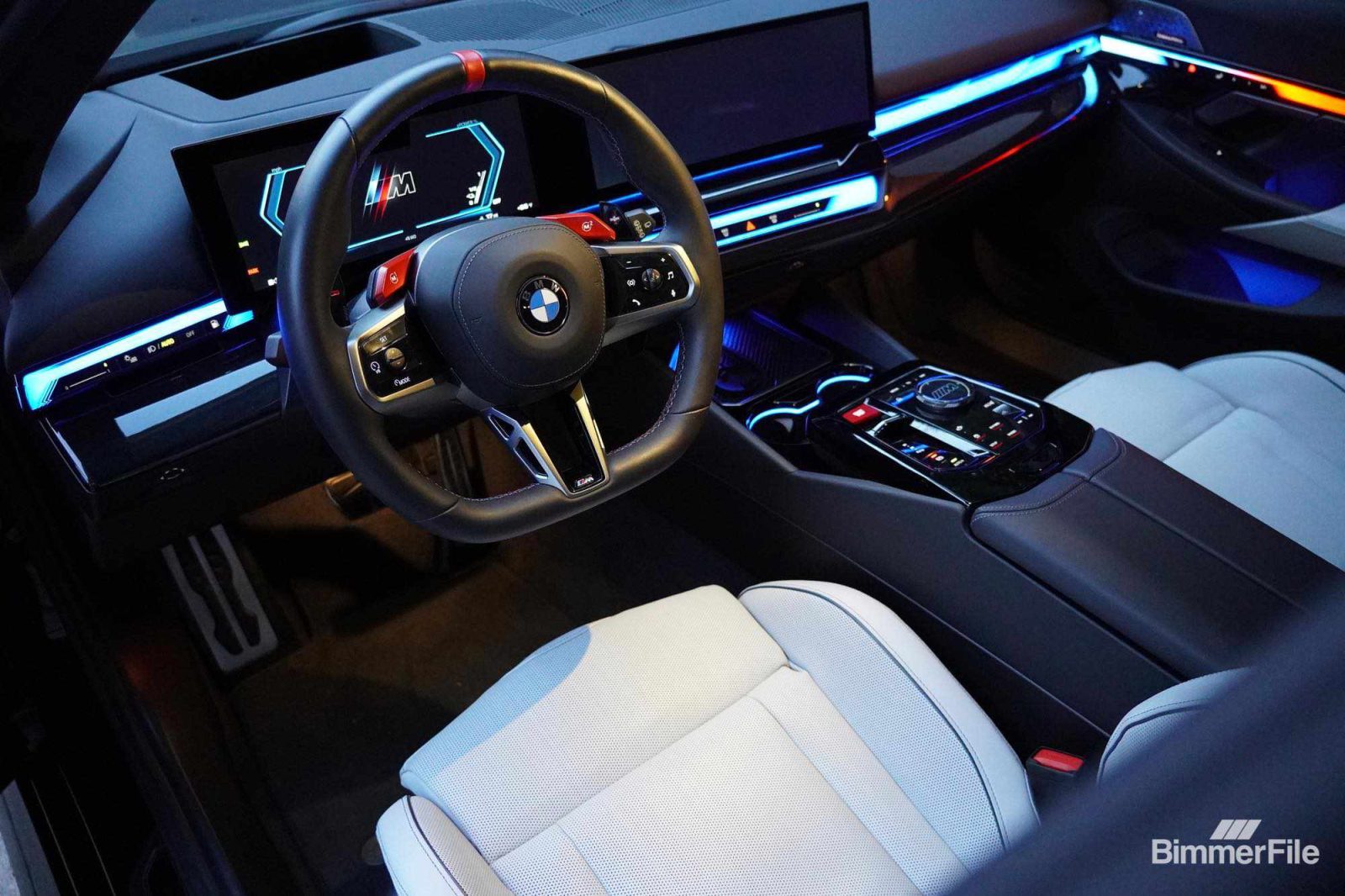
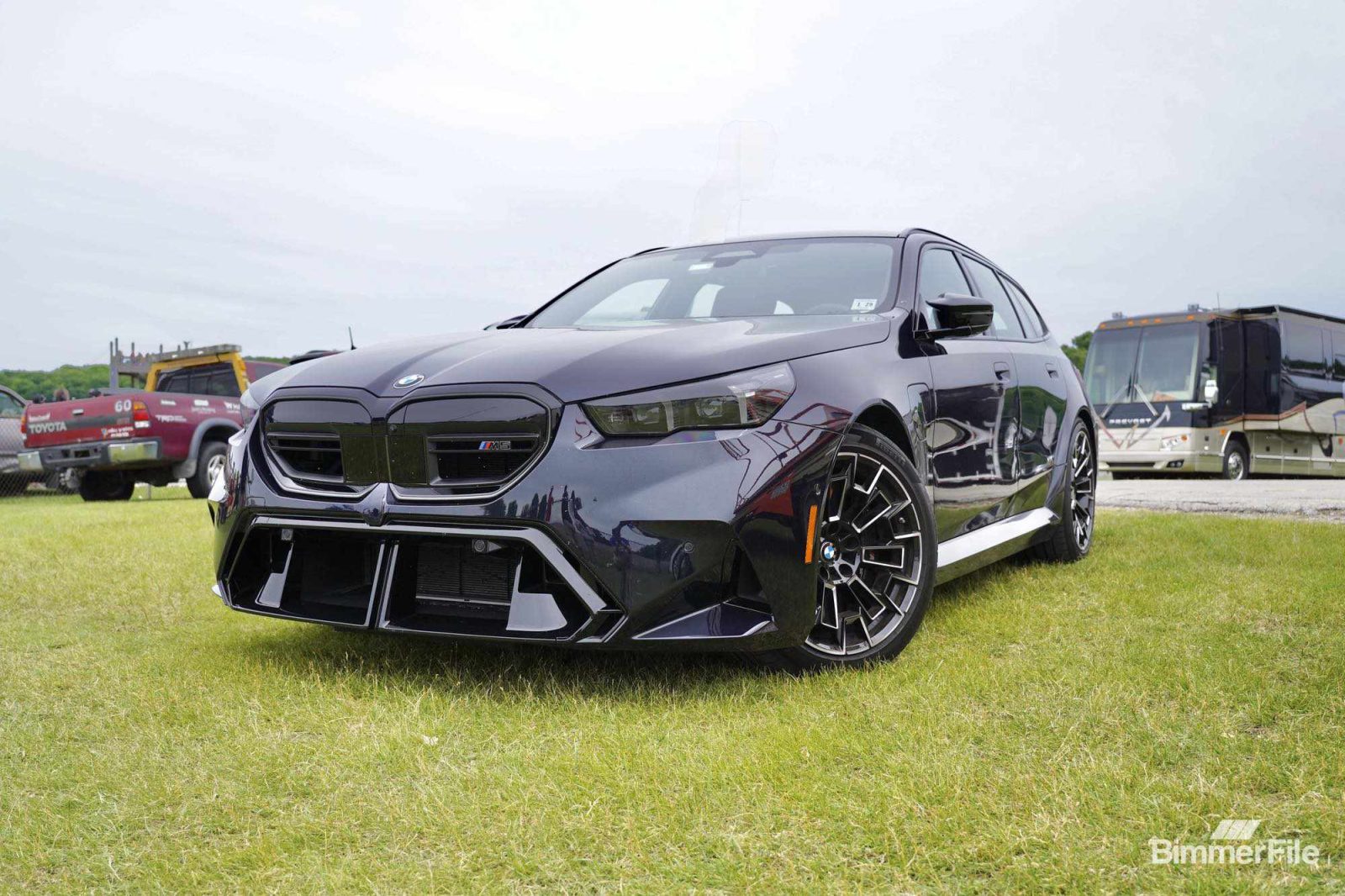
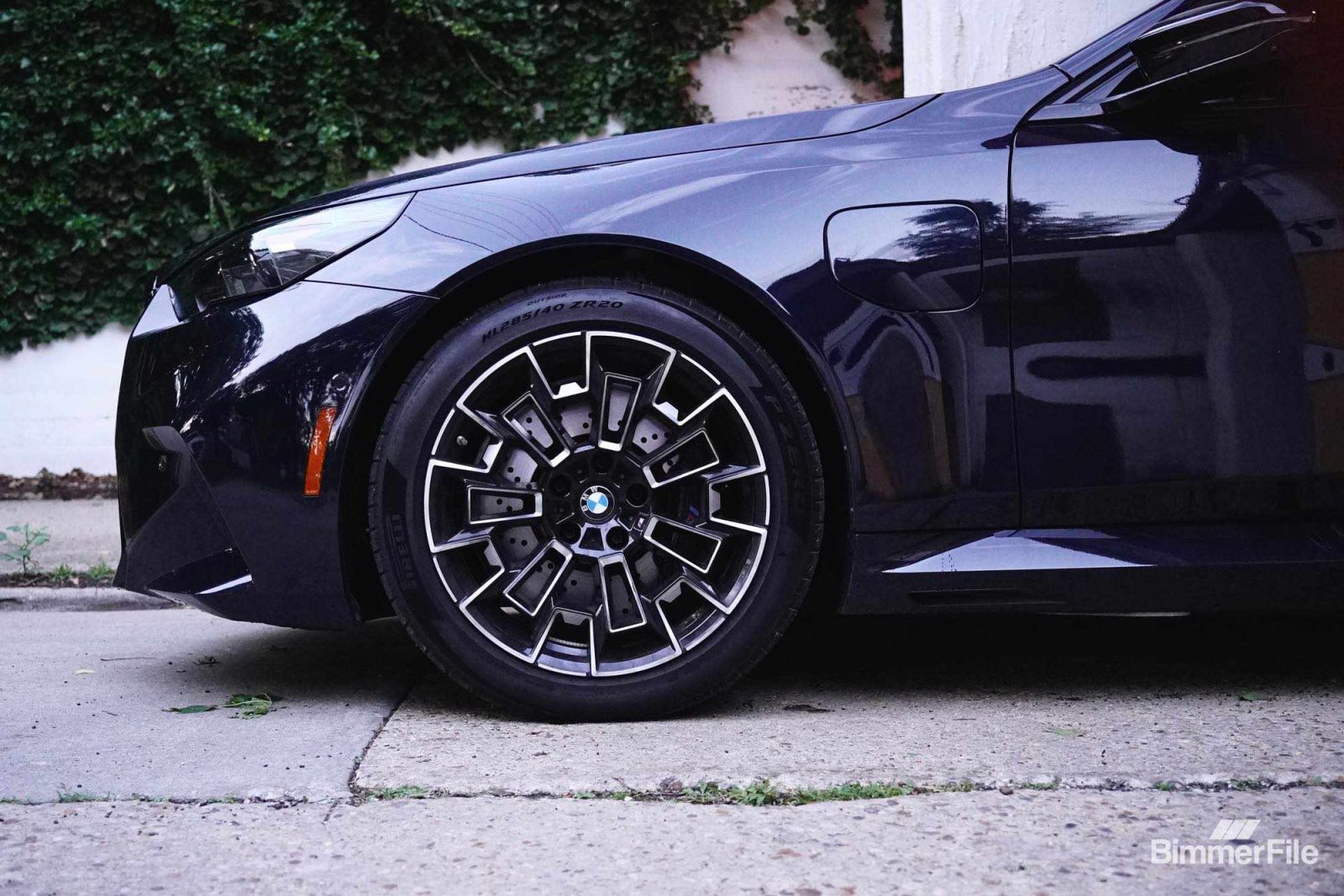
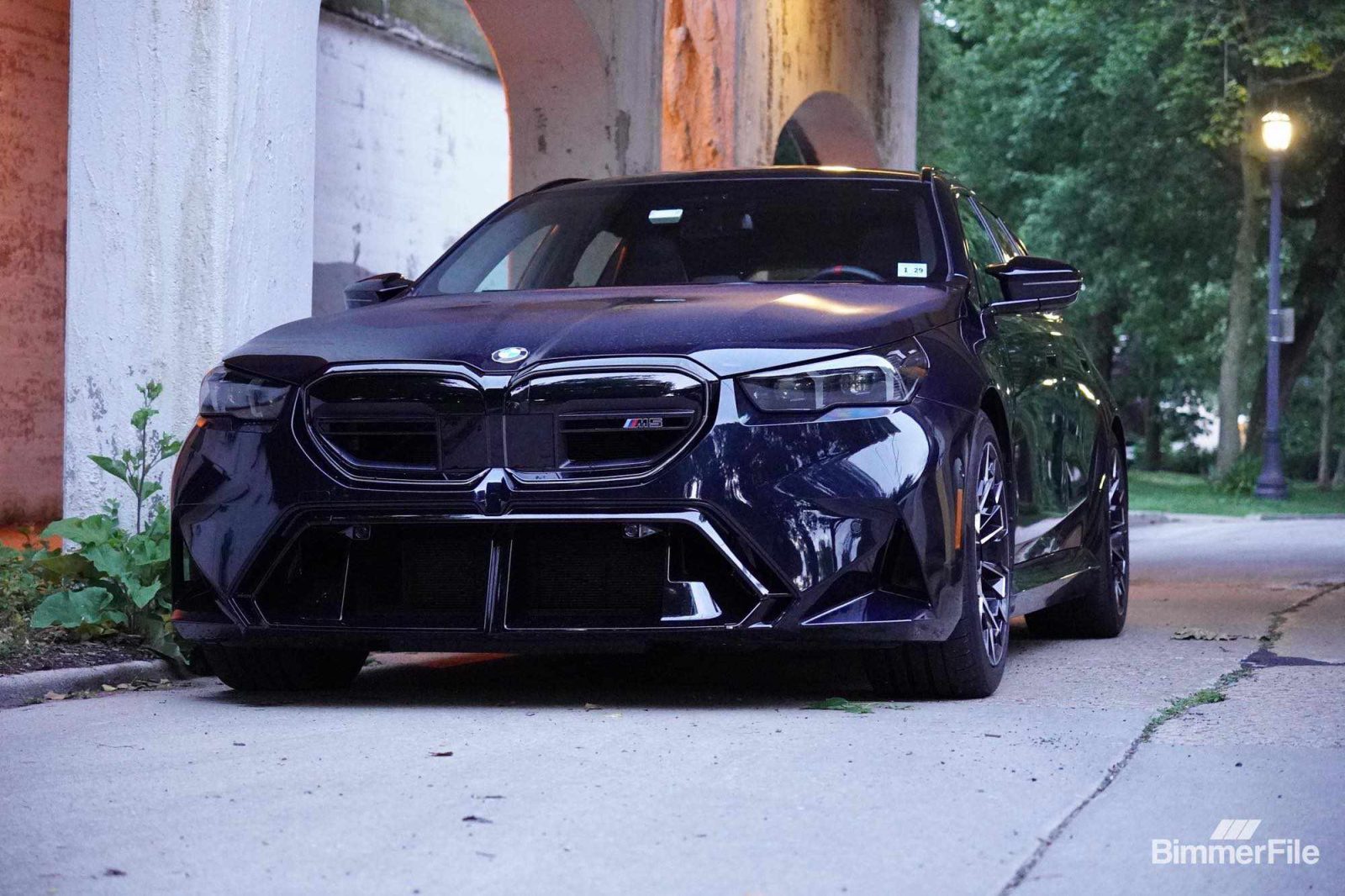
BMW M5 Touring Full Technical Specifications
| Body | |
| No. of doors / seats | 5 / 5 |
| Length / Width / Height (in) | 200.6 / 77.6 / 59.7 |
| Wheelbase (in) | 118.3 |
| Track, front / rear (in) | 66.3 / 65.4 |
| Turning circle (ft) | 41.3 |
| Fuel tank capacity (gal) | 15.9 |
| Curb weight (lbs) | 5,530 (preliminary estimate) |
| Luggage capacity (cu ft) | 17.7–57.6 (preliminary estimate) |
| Engine (S68 V8) | |
| Configuration / cylinders / valves | V / 8 / 32 |
| Engine technology | M TwinPower Turbo with cross-bank exhaust manifold, two M TwinScroll turbochargers, indirect charge air cooling, High Precision Injection (max. 350 bar), VALVETRONIC, Double-VANOS |
| Displacement (cc) | 4,395 |
| Stroke / bore (mm) | 89.0 / 88.3 |
| Compression ratio | 10.5:1 |
| Output @ rpm | 577 hp @ 5,600–6,500 |
| Torque @ rpm | 553 lb-ft @ 1,800–5,400 |
| Electric Motor | |
| Motor technology | BMW eDrive permanently excited synchronous motor with pre-gearing, integrated into 8-speed M Steptronic transmission; generator function for battery recuperation |
| Max. output | 194 hp |
| Max. torque | 207 lb-ft |
| Combined System Power | |
| Max. system output @ rpm | 717 hp @ 5,600–6,500 |
| Max. system torque @ rpm | 738 lb-ft @ 1,800–5,400 |
| High-Voltage Battery | |
| Storage technology / installation | Lithium-ion / underfloor |
| Voltage | 347.5 V |
| Usable energy capacity | 14.8 kWh |
| Max. charging rate | 11.0 kW |
| Chassis & Brakes | |
| Suspension, front | Adaptive M suspension, double-wishbone axle, aluminum construction, M-specific kinematics |
| Suspension, rear | Adaptive M suspension, five-link axle, aluminum/steel construction, M-specific kinematics |
| Brakes, front | Vented disc, six-piston fixed calipers |
| Brakes, rear | Vented disc, single-piston floating calipers |
| Steering | Electric Power Steering with M Servotronic; Integral Active Steering standard |
| Steering ratio (overall) | 14.2:1 |
| Tires, front / rear | 285/40 ZR20 111Y XL / 295/35 ZR21 110Y XL |
| Wheels, front / rear | 10.5J x 20 / 11.0J x 21 |
| Transmission | |
| Type | 8-speed M Steptronic with Drivelogic |
| Gear ratios (I–VIII, R) | 5.00 / 3.20 / 2.14 / 1.72 / 1.30 / 1.00 / 0.83 / 0.64 / R 3.97 |
| Final drive | 3.31:1 |
| Performance | |
| 0–60 mph | 3.5 sec (est.) |
| 0–124 mph | 11.1 sec (est.) |
| Top speed | 155 mph (190 mph with optional M Driver’s Package) |
| Pricing | |
| Base MSRP | $121,500 plus $1,175 destination and handling |