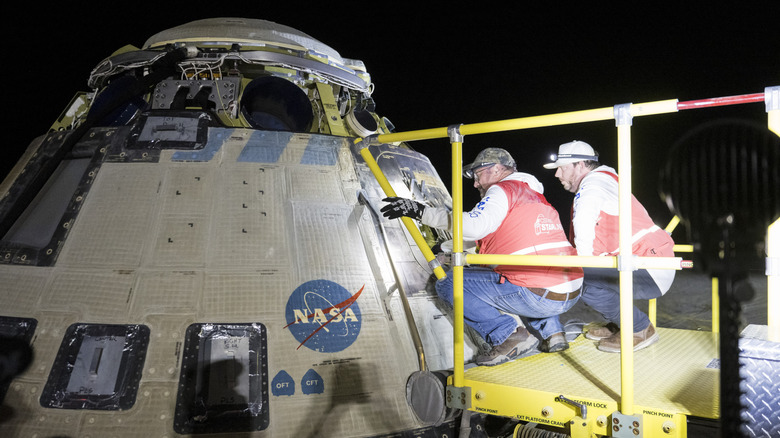
NASA has officially categorized the 2024 failure of the Boeing Starliner spacecraft, which stranded astronauts Suni Williams and Butch Wilmore on the International Space Station (ISS) for nine months, as a Type A mishap. This is NASA-speak for the maximum level of failure a mission can reach, defined as an incident that causes over $2 million in damage, results in the loss of a vehicle or at least control over it, or any fatalities, per the BBC. This designation signifies that the space agency now views the mission as a disaster, even if the astronauts regained enough control at the last minute to prevent the worst-case scenario.
To be clear: that scenario would have been really, really bad. Essentially, the thrusters that control the Starliner failed on approach to the ISS. While NASA doesn’t outright say this, it is at least conceivable that could have ended in a crash into the station itself. In his press conference, NASA Administrator Jared Isaacman said that the failure reached “cost thresholds exceeding a Type A mishap by a factor of over a hundred.” In other words, hundreds of millions of dollars were at risk; hard to think what that could mean other than the potential loss of the ISS. Yikes.
What went wrong with the Starliner’s first crewed mission
Nasa/Getty Images
There were organizational problems as well: NASA more or less trusted Boeing, which once upon a time had a sterling reputation, to sort out its engineering problems. Isaacman stated that the agency didn’t want to damage that reputation. Safe to say it’s pretty well shot now, and this Type A classification isn’t going to help. Meanwhile, Boeing was also not giving sufficient scrutiny to its own subcontractors. So nobody was overseeing anybody enough. Who could imagine this would go poorly?
But rest assured: it gets worse. CNN quotes one NASA insider as saying, “There was yelling at meetings,” and another as saying, “There are some people that just don’t like each other very much.” Isaacman himself admitted that “disagreements over crew return options deteriorated into unprofessional conduct while the crew remained on orbit.” Welcome to the world’s premiere space exploration agency.
Starliner limps along
Dima_zel/Getty Images
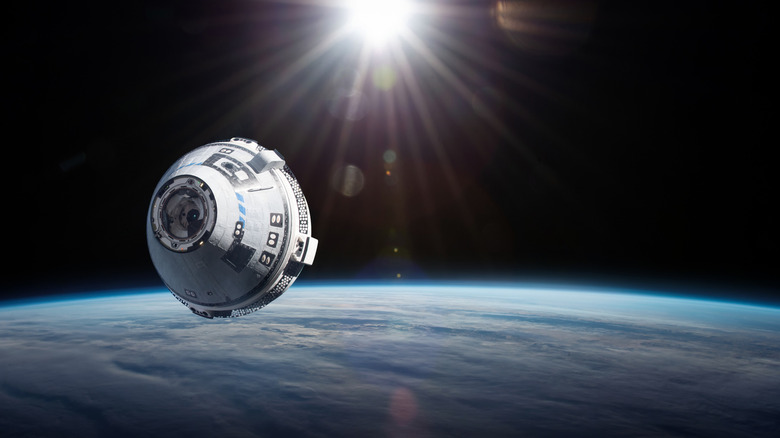
If you’re wondering what exactly did go wrong with the Starliner’s thrusters in a technical sense, you’ll be pleased to learn that nobody knows. That investigation is ongoing. In fairness, they never did figure out what went wrong with the thrusters during the tests, either, so at least they’re consistent! Apparently, “We have no clue what’s wrong with the thing that controls the spacecraft” will no longer be a sufficient non-answer. NASA’s new policy will be that, uh, stuff has to work. What an idea.