One victim saved by retired police officer in Brant County
Article content
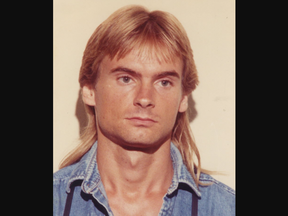
A convicted killer and rapist who committed multiple crimes during a 1990 spree in London and throughout Southern Ontario has been granted six months of day parole on Vancouver Island.
Advertisement 2
Article content
John Cody, 64, formerly known as Peter John Peters, still presents a moderate to high risk for violent and sexual offending, the Parole Board of Canada concluded in a recent ruling – an assessment they say is based on unchangeable historical information.
Article content
Recommended Videos
Article content
The decision follows another from February 2025, when Cody was granted a 60-day unescorted prison absence to attend a community reintegration program at a community residential facility on Vancouver Island.
Cody successfully completed several core correctional programs, vocational programs and counselling during his sentence, the board noted.
The parole board said in its ruling that Cody had completed about 270 escorted temporary absences. His unescorted temporary absence at the Vancouver Island facility was completed in July 2025.
Advertisement 3
Article content
He is now participating in a 12-month extension of a work release program, which was authorized after he completed two six-month work releases and the 60-day unescorted absence.
The board noted Cody plans to continue biweekly counselling sessions, and attend recovery meetings for substance abuse.
“Having weighed and considered the relevant factors of your case, the board finds you will not present an undue risk to society if released on day parole,” the board ruled.
Read More
The board imposed several conditions, including no alcohol or drugs or entering establishments where the primary source of income is from the sale of those products.
Advertisement 4
Article content
He is not to associate with criminals, must report all relationships and friendships with females, and must not use any technological devices without written permission from his parole supervisor.
Cody must return to his residential facility nightly and is not granted leave privileges.
He can’t travel to Alberta or Ontario without written permission from his parole officer and can’t contact the victims or their families.
“Your offences caused serious harm, resulting in devastating impacts on multiple victims and trauma to their family members,” the board noted. “These individuals deserve safety and freedom from unwanted contact or communication.”
The parole board real aloud two victim statements during the hearing that described the ongoing psychological harm to victims and their families. Both statements opposed release and called for the reinstatement of capital punishment.
Advertisement 5
Article content
Cody began his crimes with the killing of Charlene Brittain, 25, in his London apartment on Jan. 20, 1990.
Two days later, he fatally assaulted Albert Philips, 63, in Toronto and, the same day, kidnapped, beat and attempted to kill Sandy Bellows-DeWolfe in St. Catharines before transporting her to a woodlot in Brant County. She was saved by retired police officer Al Pike.
While on the run, Cody also threatened to kill another woman, threatened people at gunpoint, stole their vehicles and robbed a bank.
He was later caught in Sault Ste. Marie and, in August 1990, was sentenced to life in prison with no chance of parole for 17 years.
In 2007, Cody escaped from a minimum-security institution before turning himself in a day later.
Advertisement 6
Article content
The board noted Cody grew up in a “psychologically and physically abusive environment” and that his father’s views and behaviour toward women had an impact on him.
Cody was sent to a reform school, where he reported having sexual relationships with staff. He reported having around 200 sexual partners, and said his intimate relationships involved substance, mental and physical abuse.
“You report engaging with vulnerable women as you believe they were an easier target for sex,” the parole board said.
A 2006 psychiatric assessment diagnosed Cody with antisocial personality disorder.
The board stated Cody had not been involved in any significant institutional incidents since 2007.
In its ruling, the board said Cody had displayed positive institutional behaviour and has been sober for more than 30 years, noting he appears to have learned how to effectively manage substance cravings and negative emotions and how to establish healthy boundaries.
“Your accountability and motivation are rated as high,” the board noted. “You are considered engaged in your correctional plan.”
During his hearing, Cody said he changed his name in the late 1990s in order to “reinvent” himself.
rgoodison@postmedia.com
Article content