The digital landscape has changed the way clients seek legal advice. 96% of people seeking legal help now use a Google search to find answers. Perhaps even more telling: 74% of customers visit a law firm’s website before even making contact.
If you’re not visible where customers are looking, you’re invisible.
This guide explains why marketing is necessary for law firms, marketing tips to develop a working strategy, common mistakes to avoid, and KPIs you need to track. Every law firm should have these tips in its repertoire.
Why Is Law Firm Marketing Essential for Growth?
The legal market is saturated. In many cities, a simple search for a personal injury lawyer yields millions of results. Relying solely on a referral network is a slow path to extinction. You need proactive marketing efforts because of three critical factors that define the modern legal practice.
First, you need to consider the speed of contact. Legal matters are urgent and emotionally charged. 56% of clients take action within a week of recognizing a legal problem, and 16% even within a day. If your marketing tactics do not position you to be found immediately, you lose that client to the firm that appears first.
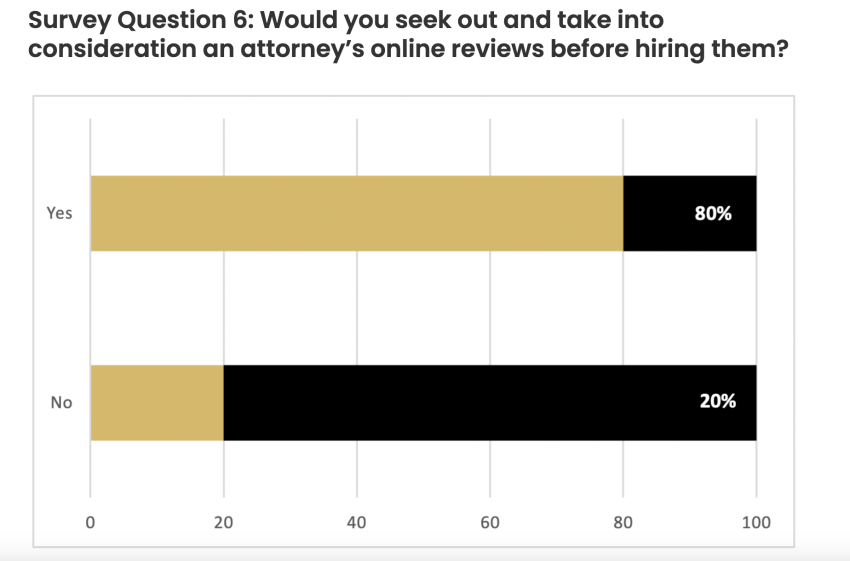
Second, you need to build trust. Clients are skeptical. Before contacting you, they do their research. 80% of clients read online reviews and check legal directories before hiring an attorney. Your online presence acts as a proxy for your competence. A slow or outdated website signals a slow and outdated lawyer.
Finally, you’re fighting market saturation. The market for online marketing services in the legal sector is growing, meaning more competitors are entering the digital space every day. Marketing is no longer optional. It’s the primary way to differentiate your law firm’s brand from the crowd.
How To Develop a Marketing Strategy for a Law Firm
Before you spend on Google Ads or software, you need to lay the foundation. Your law firm marketing needs an action plan focused on a specific goal.
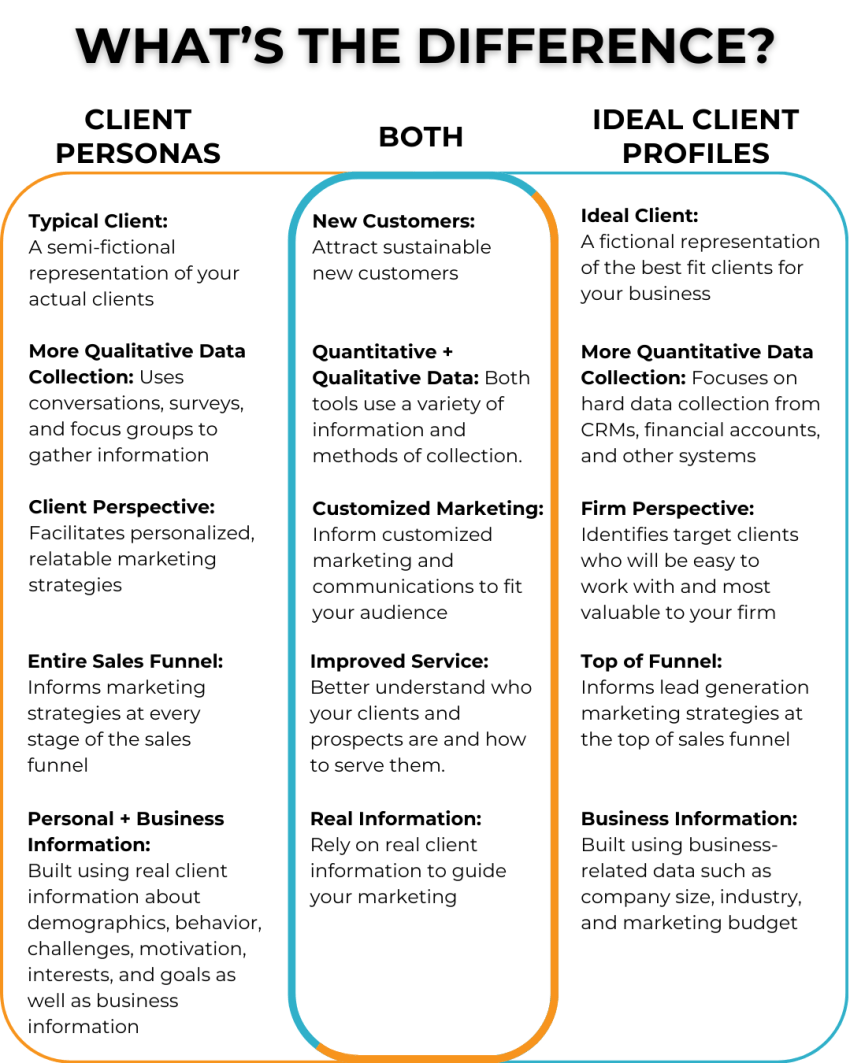
Define your ideal client profile
Not everyone is your target audience. The messaging for a client involved in a corporate merger is different from that for a family law client going through a divorce. You need to clearly define demographic characteristics such as age, location, and income level.
Equally important is understanding their psychographic characteristics. Ask yourself if your target audience is anxious and needs reassurance, or if they’re angry and yearn for a champion. Finally, identify their biggest concerns. Find out what’s keeping them up at night and address those specific fears in your headlines.
Conduct a competitive analysis
Look at who’s ranking number one in your region. Don’t just copy them. Analyze them to identify opportunities. Look for keyword gaps to find out which questions your competitors aren’t answering. Also, pay attention to content gaps. If your competitor is writing complex legal documents, you can score points with simple, high-quality guides.
The in-house vs agency decision
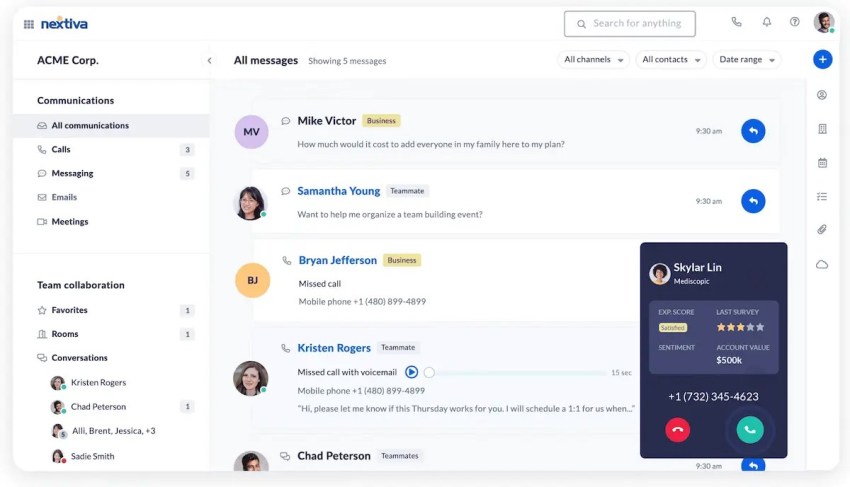
One of the biggest challenges for small law firm partners is dividing tasks. Law firm business communication software like Nextiva strengthens internal communication, but implementation in marketing requires a management decision. This is rarely easy and involves weighing available time and budget.
Hiring a law firm marketing agency
If you lack the time to learn law firm SEO yourself, hiring an agency is the right decision. However, you need to manage it effectively. The advantage of a law firm marketing agency is direct access to a team of experts, including copywriters, technical SEO specialists, and graphic designers, who would be too expensive to hire individually.
When hiring an agency:
- Define your goals: Be specific about what you want. Increasing organic traffic by 20% within six months is more effective than simply asking for more leads.
- Check industry experience: Generalist agencies struggle with legal matters because they lack knowledge of ethical advertising guidelines. Specifically request case studies from law firms.
- Ask about exclusivity: Ensure the agency isn’t also representing your direct competitors.
- Review the services: Clarify exactly who owns the content. You should retain the rights to your website domain, analytics accounts, and content, even after you terminate your collaboration with the agency.
Building an in-house engine
When you handle your marketing in-house, you maintain complete control and preserve your brand’s distinctive style. This requires the right infrastructure and a commitment to consistent implementation. Marketing shouldn’t be relegated to slow periods; it demands a regular work rhythm.
For in-house success, clearly defined roles are essential. Even if you don’t hire new employees, someone needs to be responsible for content creation, someone else for troubleshooting website technical issues, and someone else for data analysis.
You also need the right marketing tool stack. With Nextiva, you can manage incoming and outgoing calls using an online virtual receptionist, and not miss potential clients, even if you’re in court. Beyond communication, you’ll need a reliable CRM system to track leads from initial contact to contract signing.

Why Law Firm Marketing Fails
Even with effective marketing campaigns, firms often fail at the finish line. If you’re getting website traffic but no clients, you’re likely making one of these three common mistakes:
The black hole phone number
You invest thousands in advertising, the phone rings, and no one answers. 80% of customers hang up when reaching voicemail. This mismatch between marketing expenditure and actual client volume is the most expensive mistake a law firm can make.
The solution? Professional business phone services like Nextiva let you set up an automated switchboard and intelligent call routing, ensuring calls are always connected to someone — whether it’s you, a paralegal, an answering service, or voicemail.

Ignoring mobile user experience
Over 60% of all online searches are conducted on mobile devices. If your website makes it difficult for customers to read your phone number, Google will negatively impact your search engine ranking. Make sure to create a responsive website design and clearly visible call buttons.
Lack of immediate follow-up
Responding to a lead within 5 minutes increases the odds of conversion by 21 times. Wait just 10 minutes, and your chances drop by 400%. The best way to fix this is to use automated SMS text messaging to instantly confirm appointments or acknowledge inquiries.

Key Digital Marketing Strategies Law Firms Should Try
Once your law firm marketing strategy is in place, it’s time for implementation. These are the channels that will drive your law firm’s growth in 2026:
SEO vs PPC: Where should you invest
This is the most frequent question from lawyers. Search engine optimization is time-consuming and slow; results only become visible after 6 to 12 months. However, it builds strong trust and is more cost-effective in the long run. It involves optimizing your website’s technical structure and creating valuable content that answers your clients’ questions.
While pay-per-click (PPC) advertising involves high initial costs (often over $50 per click), it generates immediate traffic and is ideal for targeting specific cases. With PPC, you appear at the top of search results immediately after launching your campaign. We recommend using PPC to quickly generate leads while your SEO strategy gains momentum.
Local SEO and Google Business Profile
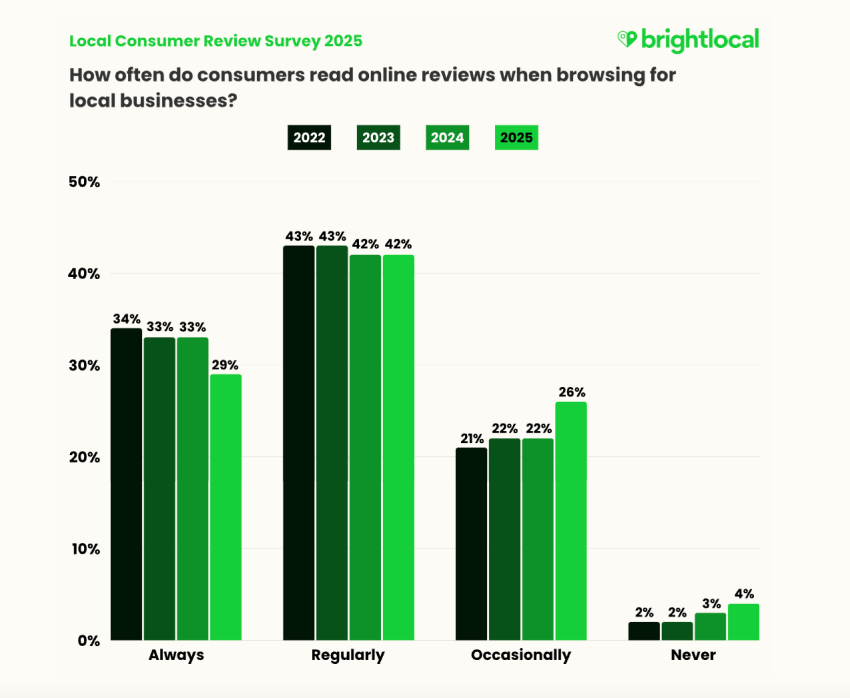
For most law firms, local search is crucial. You want to appear at the top of the map results. Start by claiming your Google My Business profile and ensuring your name, address, and phone number are consistent across the web. Also, collect reviews. 42% of people regularly read online reviews of local businesses. Automate this request after each successful case.
Video marketing
According to a study by Moz, video content is 53 times more likely to generate organic search results than text-only content. Create explainer videos that clearly explain complex legal issues in just two minutes. This builds trust faster than any text. You don’t need a studio. A simple smartphone recording answering a frequently asked question can be very effective.
Ethical advertising rules
There are also guidelines for legal marketing. According to ABA Model Rule 7.1, false or misleading statements are prohibited.
- No guarantees: Never promise a specific outcome, such as claiming you will win the case.
- Avoid expert claims: Unless you are officially certified as a specialist by a recognized body, you should not refer to yourself as a specialist or expert in your advertising.
Measuring Success: Law Firm Marketing KPIs
Using analytics, you can track these key performance indicators rather than vanity metrics like likes.
- Client acquisition costs: Calculate this by dividing your total marketing expenses by the number of new customers. If you spend $1,000 to acquire an $800 customer, operating at a loss.
- Conversion rate: This is the percentage of website visitors who actually call you or fill out a form. A well-performing law firm website achieves a conversion rate of 2% to 5%.
- Response time: This is the average time your team takes to answer an incoming call or respond to a web inquiry. Your goal should be under 5 minutes.
- Utilization rate: This is the number of billable hours worked divided by the number of hours per workday. If you handle marketing in-house, ensure your lawyers aren’t spending too much time on marketing and too little on billable hours.
Systemizing Your Law Firm’s Growth With Nextiva
Marketing brings the phone calls. Your operations must answer them.
Whether you hire an agency or build an in-house team, the foundation of your growth is communication. To thrive today, bring it all onto one platform. Nextiva simplifies the client experience with voice, video, SMS, and AI-powered analytics to ensure every marketing dollar you spend results in a client conversation.

Centralize all client conversations
Every conversation matters, whether it’s a call, text, or a reply to an online review. Exceed client expectations.
Frequently Asked Questions About Law Firm Marketing
Most small law firms allocate between 2% to 15% of their gross revenue toward marketing, depending on their growth goals. If you are in a highly competitive practice area like personal injury, you may need to invest more aggressively in lead generation tactics to gain traction.
Yes, but the platform matters. LinkedIn is essential for corporate law and networking with other professionals for referral business. Facebook and Instagram are better for consumer-facing firms (like family law or criminal defense) to build brand awareness. The key is consistency; sporadic posting rarely yields a good return on investment.
Yes, directories are powerful for law firm SEO. Profiles on sites like Avvo, FindLaw, and Justia provide high-quality backlinks to your website, which improves your search rankings. They also serve as a validation source for clients, checking your credibility.
The best time to ask for testimonials is immediately after you have secured a win or a positive outcome. Send an automated email with a direct link to your Google profile. You can also showcase these client testimonials in your email campaigns and on your website to build social proof.
Publishing consistent, helpful content is the path to becoming a thought leader. Focus on answering the specific questions your past clients asked during their initial consultations. You can distribute this content through a blog, email marketing, or even by speaking at community events.