The first tangible evidence of life inside the new BMW-owned ALPINA has arrived. Not in the form of a new model, but in something arguably more permanent: structure, strategy, and a crest.
Following its acquisition by BMW, BMW ALPINA is now formally introduced as a standalone brand within BMW Group . That language matters. For decades, ALPINA operated in a gray space between tuner and manufacturer. Now it sits cleanly inside BMW’s portfolio, positioned as an exclusive marque rather than an affiliated outlier.
Production Moves From Boutique to Industrial
Future BMW ALPINA models will be built in select BMW Group plants that have been comprehensively enabled to meet the brand’s standards . Translation: production migrates from Buchloe’s small-scale operations into BMW’s global manufacturing network.
This is less romantic, perhaps, but far more scalable. The question is not whether ALPINA changes. It inevitably will. The real question is how much of its character survives industrialization.
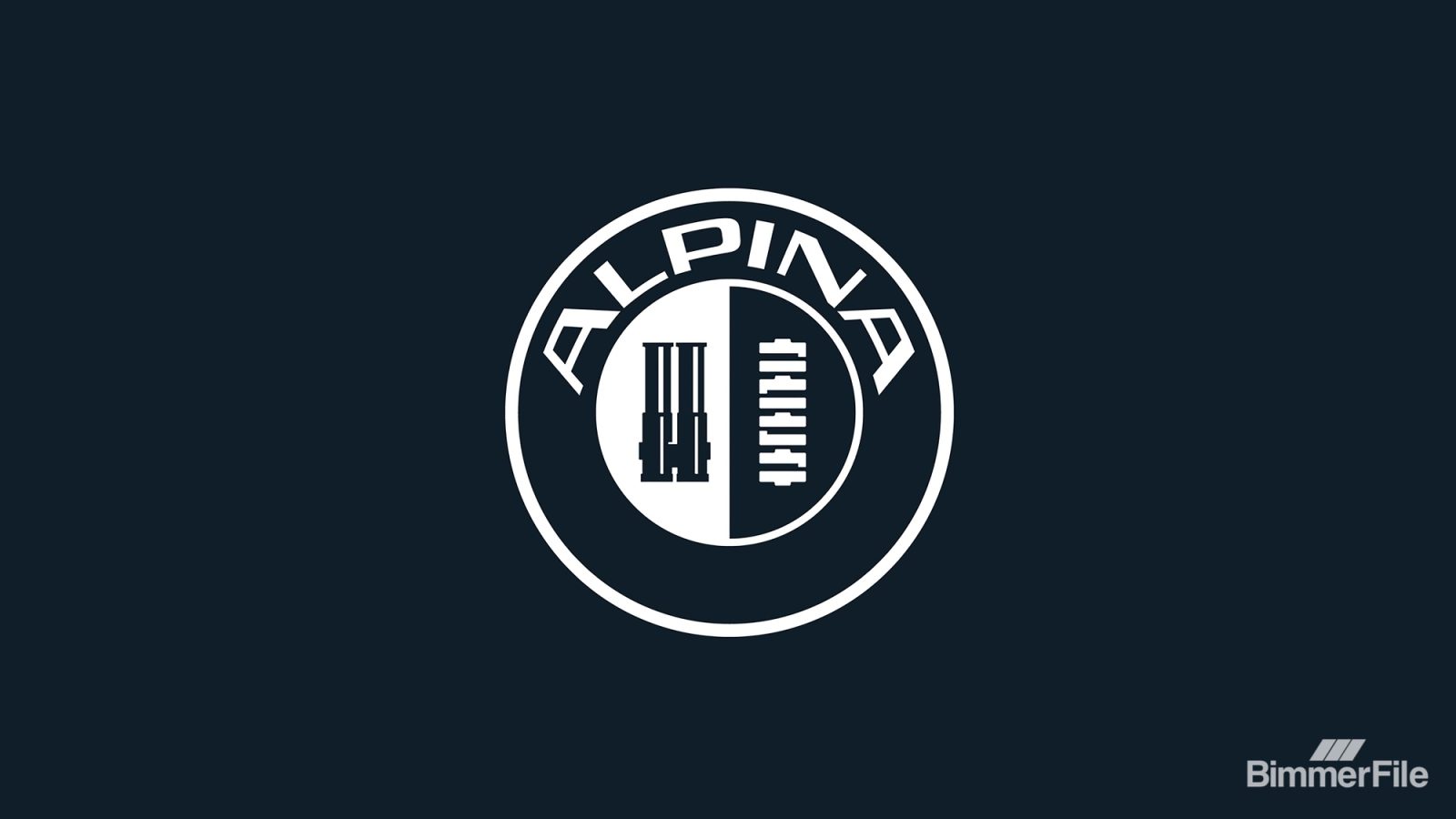
The New Crest: Mechanical Heritage, Sharpened
The redesigned BMW ALPINA emblem keeps the two elements that have defined it for decades: the throttle body and the crankshaft . They are not decorative nostalgia. They reference the company’s origins in carburetion and engine development during the 1960s, when ALPINA earned BMW’s respect the old-fashioned way, with measurable gains in power and reliability.
What has changed is the execution. The new badge features clearer linework, reduced color, and a transparent outer treatment that emphasizes the circular form . It is cleaner and more precise, and notably less ornate. Paired with the recently introduced wordmark, the crest aligns BMW ALPINA visually with BMW’s contemporary brand architecture without stripping away its mechanical symbolism.
It looks less like something applied after the fact and more like something designed from the outset.
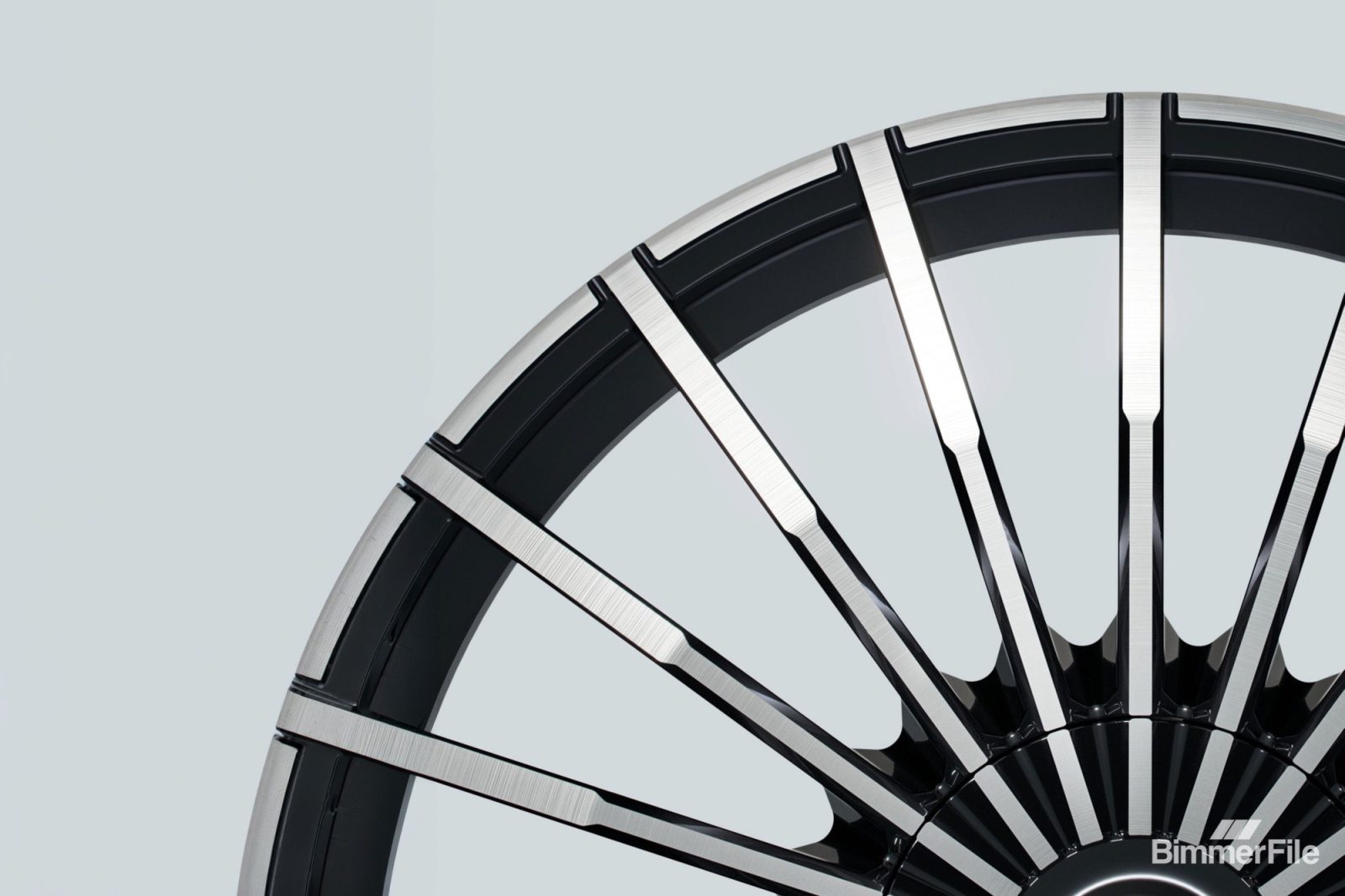
The 20-Spoke Wheel Reimagined
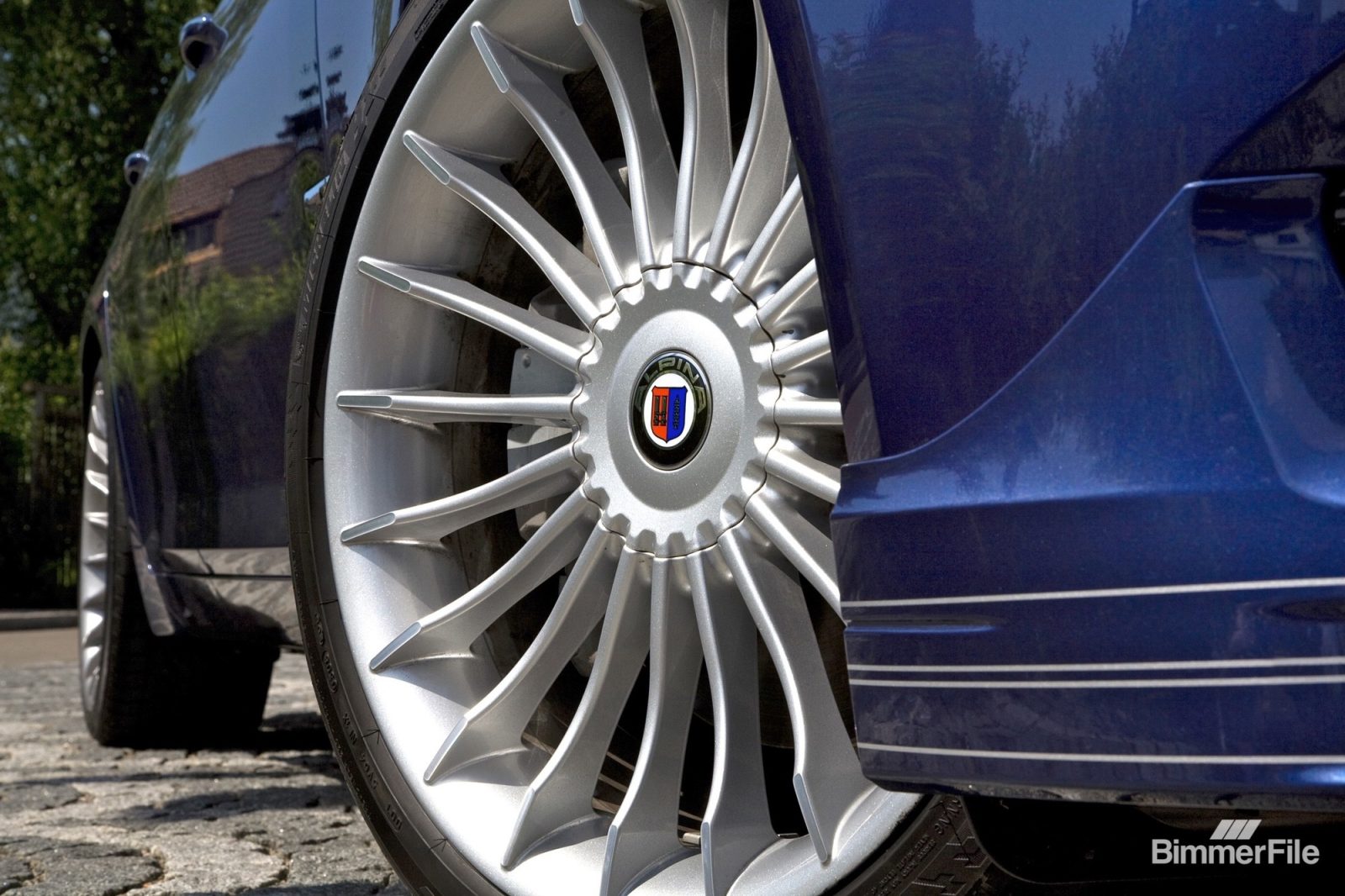
Equally telling is what BMW did not touch. The iconic 20-spoke wheel design continues .
That wheel has been a visual shorthand for ALPINA since the 1980s. Its tightly spaced spokes were originally functional, supporting brake cooling and structural stability during sustained high-speed driving. Over time, it became one of the most recognizable wheel designs in the industry. You do not need to see the badge to identify an ALPINA if you see those wheels.
Retaining that design is not a sentimental decision. It is brand continuity rendered in aluminum.

Interior and Positioning
BMW ALPINA interiors will now feature superior quality leather as standard, offered in an expanded range of colors and complemented by additional materials for further personalization . The emphasis remains on curated specification rather than overt theatrics.
BMW continues to define the brand around the balance of exceptional high-speed performance and outstanding ride comfort, particularly for long-distance driving . That formula has historically separated ALPINA from BMW M. One chases lap times. The other optimizes velocity over distance.
Context Matters
Founded in 1965 by Burkard Bovensiepen, ALPINA began as a BMW tuner and evolved into a recognized low-volume manufacturer. Its cars were never about excess. They were about calibration. More torque. More composure. More effortlessness.
This relaunch does not attempt to rewrite that history. Instead, it formalizes ALPINA’s place inside BMW Group. The new crest modernizes the identity. The production shift industrializes the process. The 20-spoke wheel and mechanical iconography preserve continuity.
For the first time in its history, ALPINA is fully inside BMW rather than orbiting it. Whether that makes the cars different will be judged later.